
Dog shows are meant to showcase the beauty and elegance of animals, celebrating the bond between humans and dogs. Yet, photos of dogs the owner of Balihara Ranch, raise serious concerns about how they are treated in pursuit of perfection.
The photographs reveal dogs being led with thin collars digging tightly into their necks, forcing their heads unnaturally high. Some dogs show visible signs of distress—mouths open as they struggle for air, with red, bulging eyes that suggest restricted oxygen flow. This method of handling is not just outdated; it is widely condemned for being unethical and is even banned in many competitive settings.
We would like to thank a reader of our blog, for bringing these troubling practices at Balihara Ranch kennel to our attention. When we examined the photos, we were struck by how visibly distressed these dogs appeared. It was impossible not to feel deeply unsettled by what we saw.

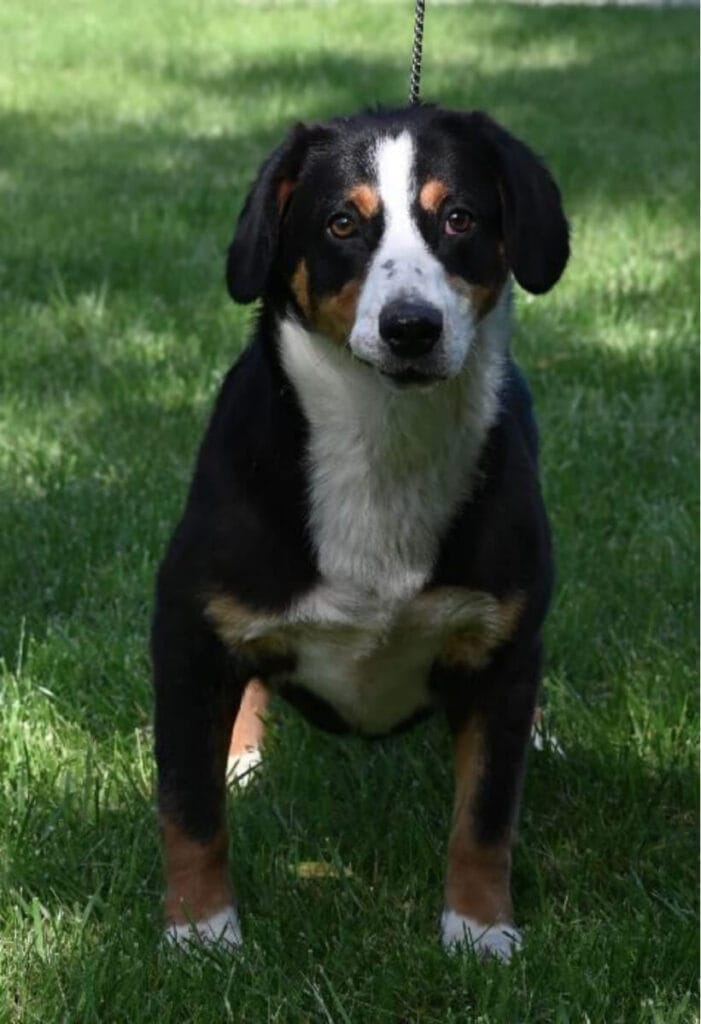
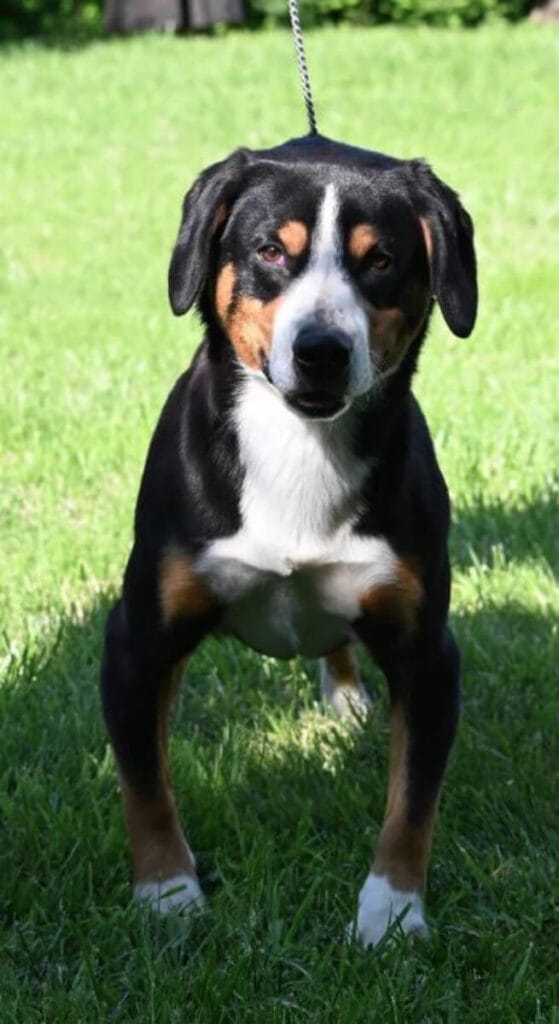
source: skssp.eu
What makes this situation even more troubling is that the breeder is an international dog show judge. Someone in such a position should be a model for humane and ethical practices. Yet, these photographs raise difficult questions: If this is how the animals are treated in public, what happens behind closed doors? And why are such harmful methods still being used when they clearly compromise the welfare of the dogs?



source: skssp.eu
Handlers claim this is necessary to achieve a “perfect posture.” But at what cost? Thin collars that dig into the trachea can cause physical harm, including long-term breathing issues, chronic pain, and emotional distress. No animal deserves to suffer like this, especially in a setting that should celebrate their natural beauty and grace.



source: skssp.eu
Modern standards in animal welfare demand better. Humane handling methods exist and are widely encouraged, prioritizing a dog’s comfort and dignity. Practices that harm animals—whether intentional or not—have no place in any competition or facility claiming to care for animals.
As you look at these images, ask yourself: Is this how we should treat animals we claim to love? Should trophies and titles come at the cost of an animal’s well-being?
This is not just a call for reflection but for accountability. Let’s demand humane treatment in all areas of animal care, from dog shows to everyday handling. The animals who trust us deserve better.





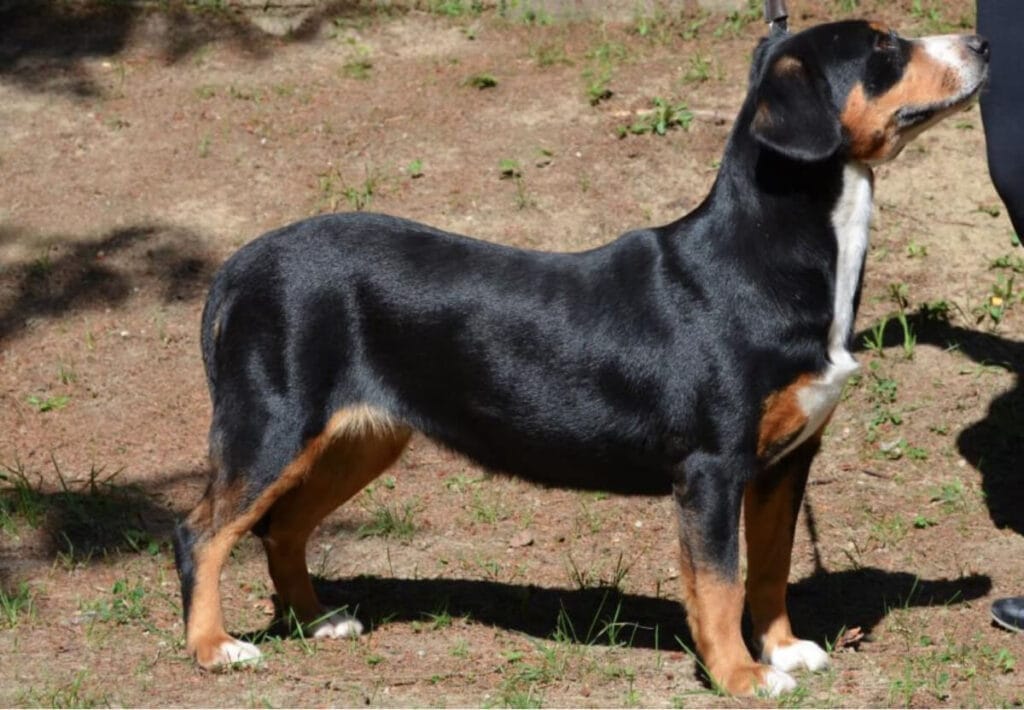

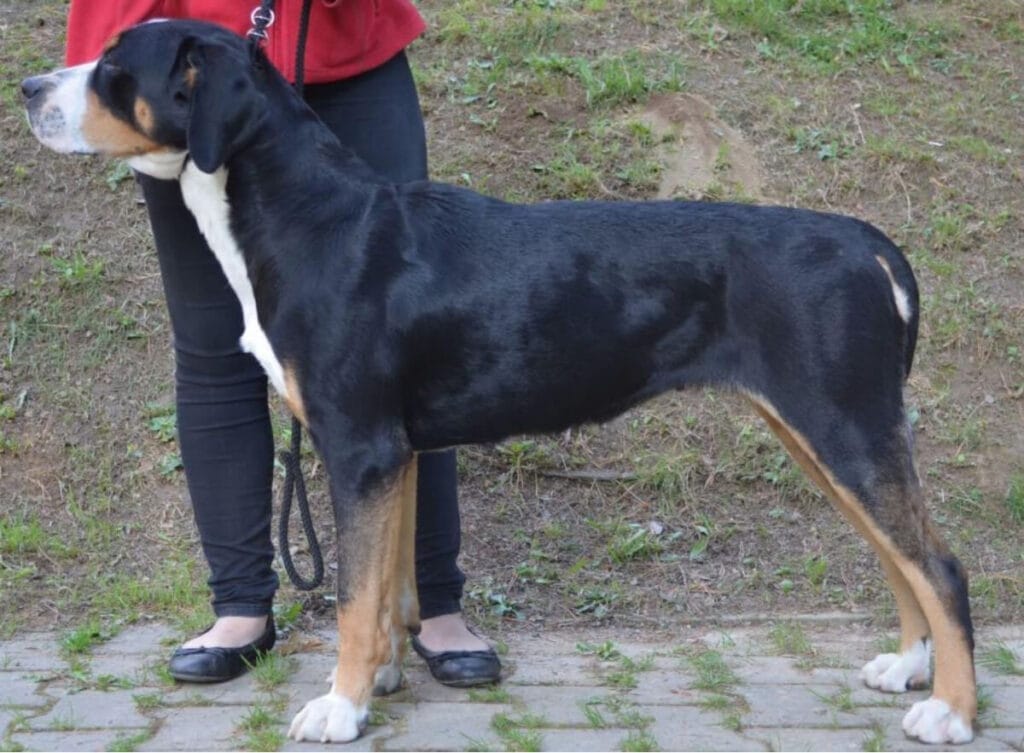

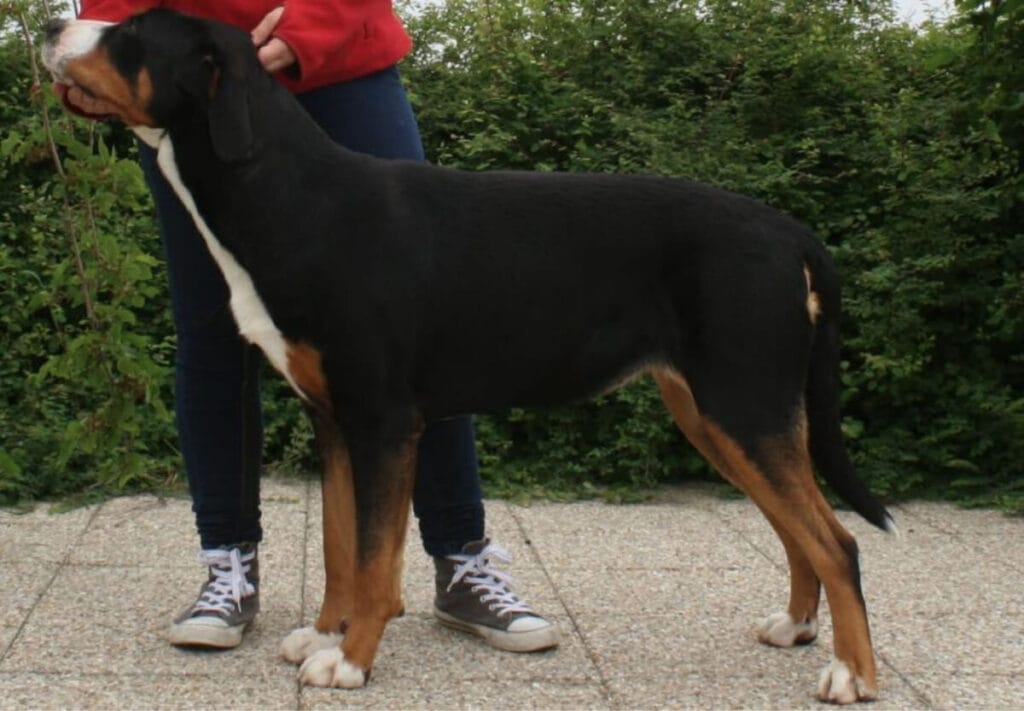





source: skssp.eu