
In the world of dog breeding, appearances can be deceiving. A well-known Balihara Ranch kennel which outwardly presents itself as an ethical and trustworthy establishment, has come under scrutiny.
In the Location section we wrote where the Balihara Ranch kennel is located, as we managed to find the address of this kennel freely available on the internet. We have now tried to find the location of this kennel using satellite maps. This kennel, known for breeding all four Swiss Mountain Dogs, claims to provide a comfortable and idyllic life for its dogs. However, our recent investigation reveals a starkly different reality.
The Facade of Ethical Breeding
Balihara Ranch kennel has built a reputation on the premise of ethical breeding practices. The owner showcases a few dogs living in apparent comfort, creating an image of a small, family-run operation where each dog receives individual attention and care. This image has been carefully crafted to attract potential buyers who are looking for a responsible breeder.
The Hidden Truth
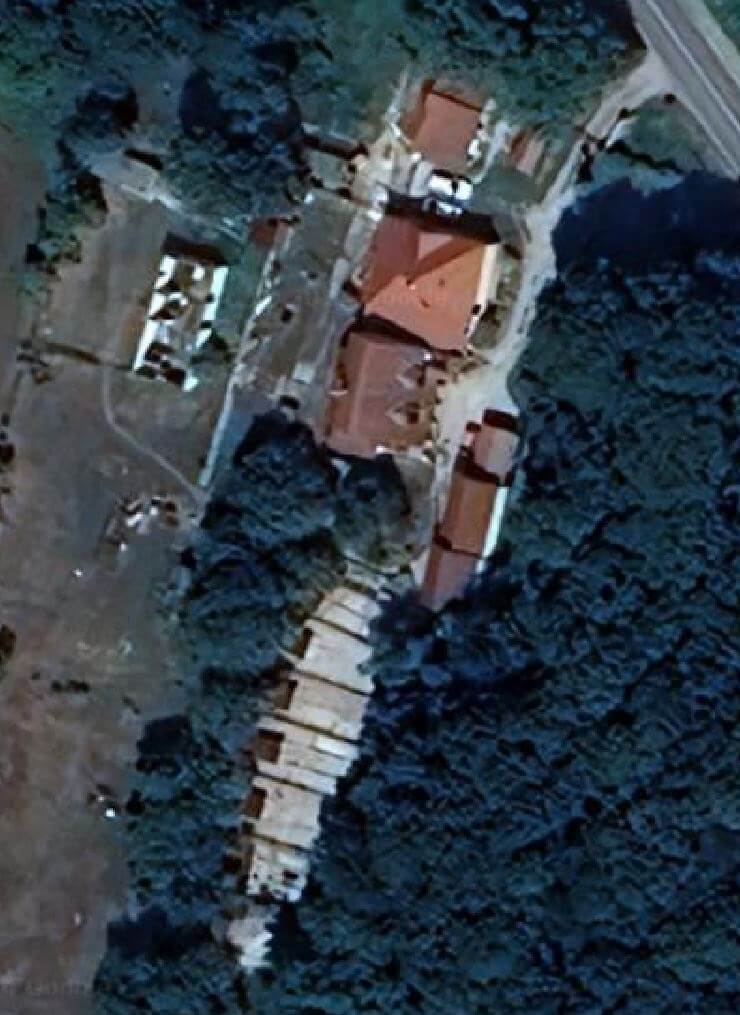
Our investigation, however, paints a different picture. Using satellite maps, we have uncovered evidence that suggests the kennel is operating more like a puppy mill. Hidden from public view, at the back of the property, are dozens of dogs penned up in small enclosures. These areas are not accessible to visitors and are cunningly concealed to maintain the kennel’s facade.
Satellite Evidence
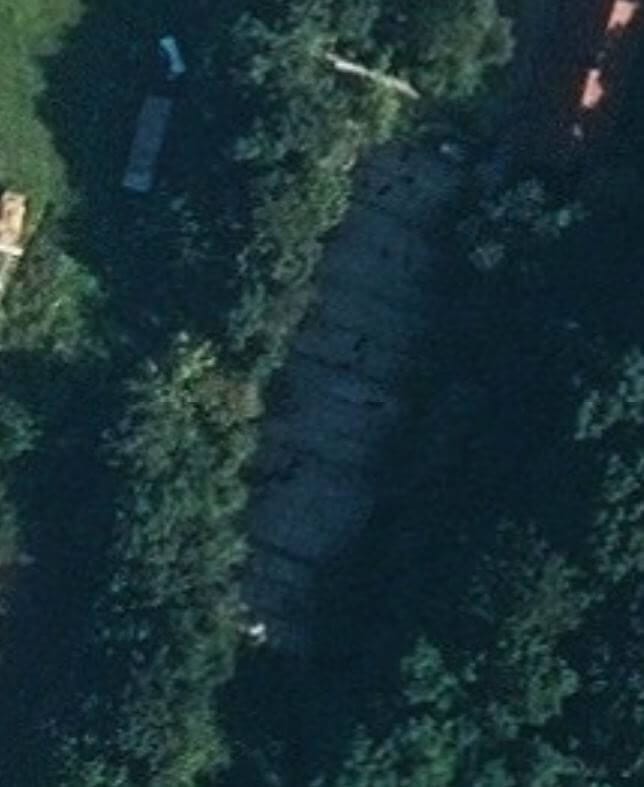
Satellite imagery has been instrumental in revealing the true conditions at this kennel. One photo shows about six dog pens with kennels, but another satellite map reveals even more. The image shows numerous small black formations within the enclosures, which we believe to be the dogs themselves. Although the photo is not sharp enough to provide absolute clarity, the sheer number of these formations indicates a large population of dogs confined in these pens.
Statistical Evidence
Further supporting our findings are the statistics on the number of dogs owned and puppies bred by this kennel. The numbers are alarmingly high, far exceeding what one would expect from a small, ethical breeder. This data strongly suggests that the kennel is focused on breeding dogs in large numbers for profit, rather than ensuring their welfare.
Conclusion
The evidence we have gathered points to a troubling conclusion: this well-known kennel is, in reality, a puppy mill. The dogs are kept in confined spaces, hidden from public view, and bred in large numbers. This operation is far from the idyllic, ethical breeding environment that the kennel’s owner tries to present.
As responsible dog lovers, it is crucial to look beyond the surface and question the practices of breeders. The welfare of dogs should always be the top priority, and it is our duty to expose and challenge unethical practices wherever they occur.
This revelation is a call to action for all potential dog owners to thoroughly research and verify the claims of breeders. Only by doing so can we ensure that we are supporting ethical practices and providing a better life for these beloved animals.