Behind the White Cabinet: Unmasking the Reality of Balihara Ranch

by | Jun 20, 2024

In the world of dog breeding, transparency and ethical practices are paramount. However, not all breeders adhere to these principles. One such case is the Balihara Ranch kennel.

The White Cabinet Phenomenon

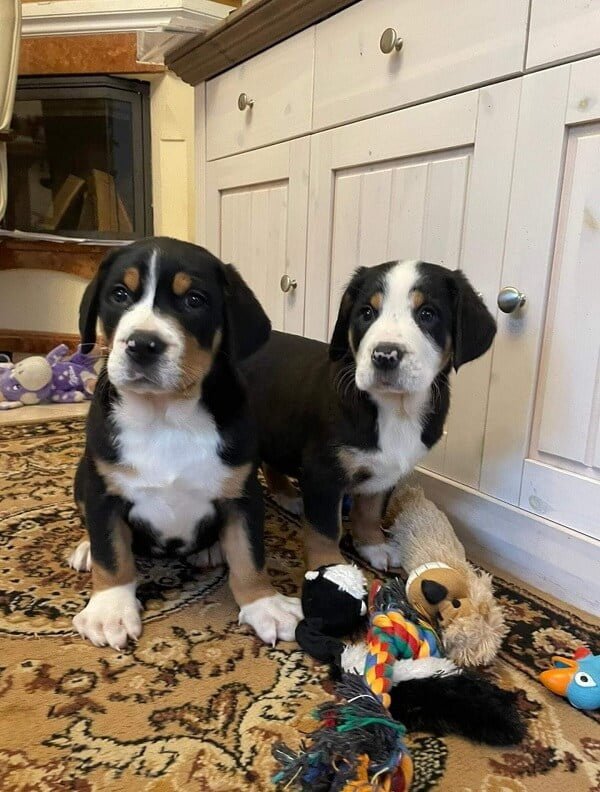
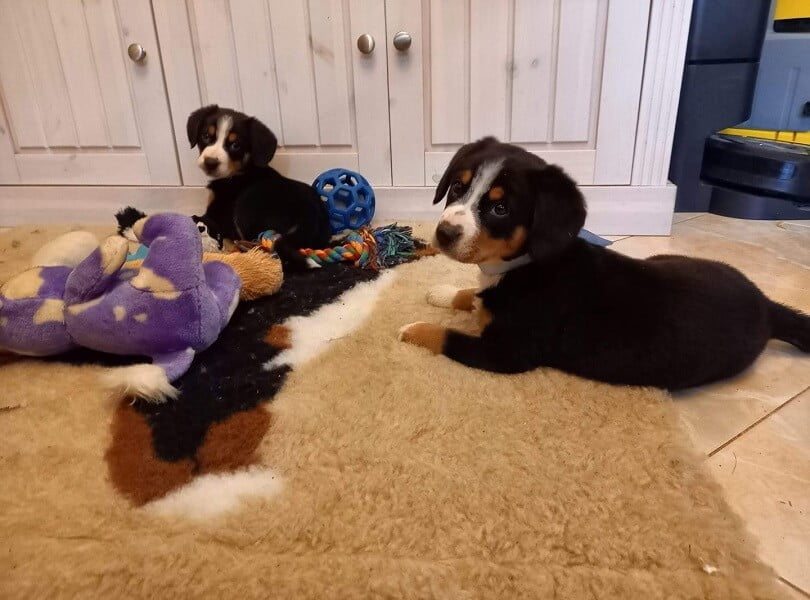
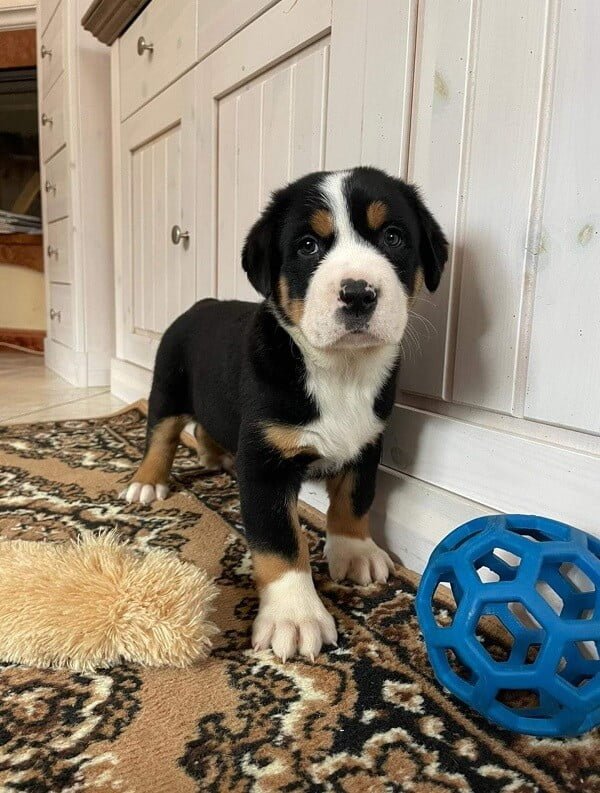
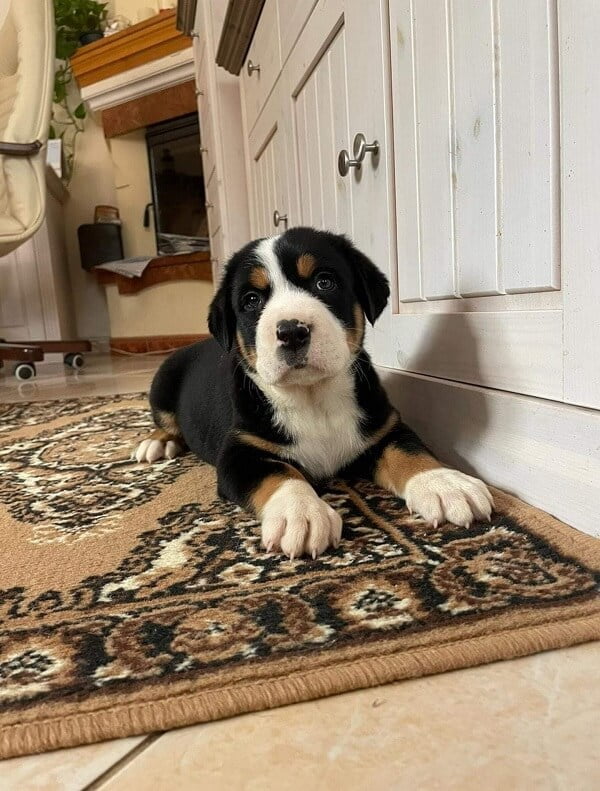
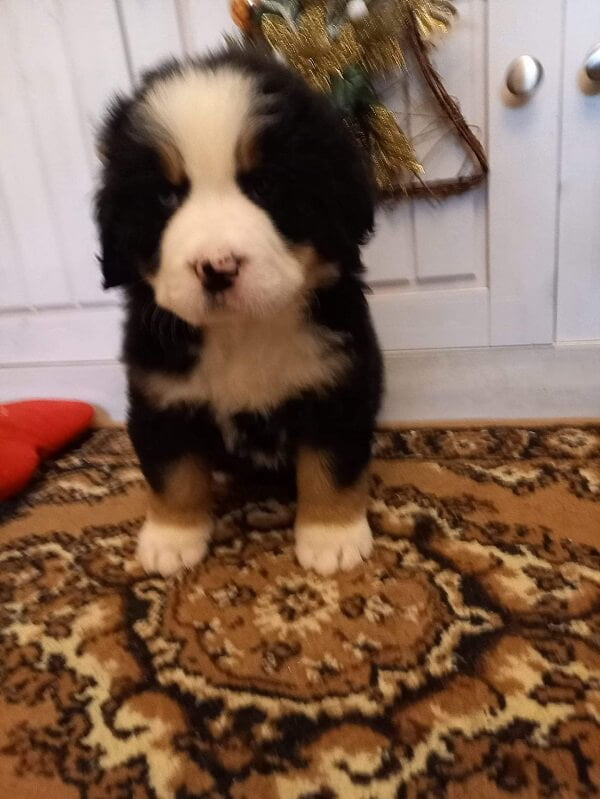
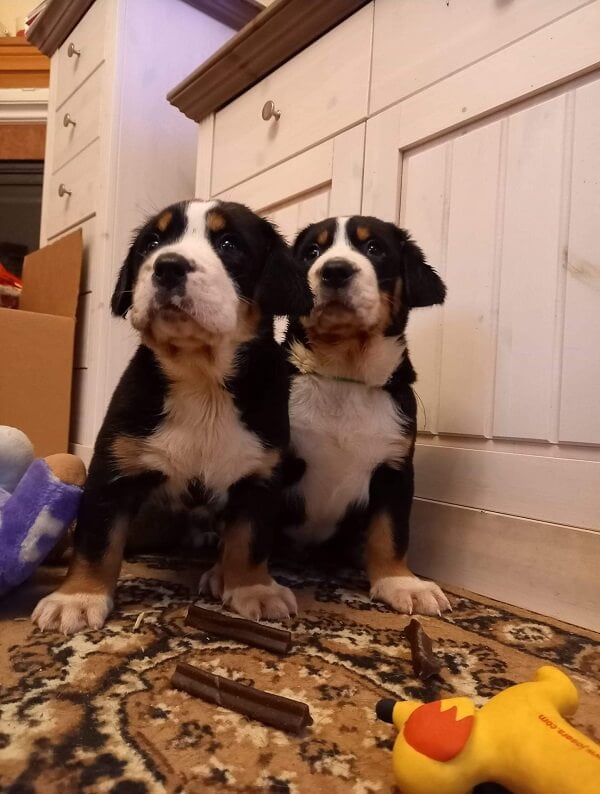
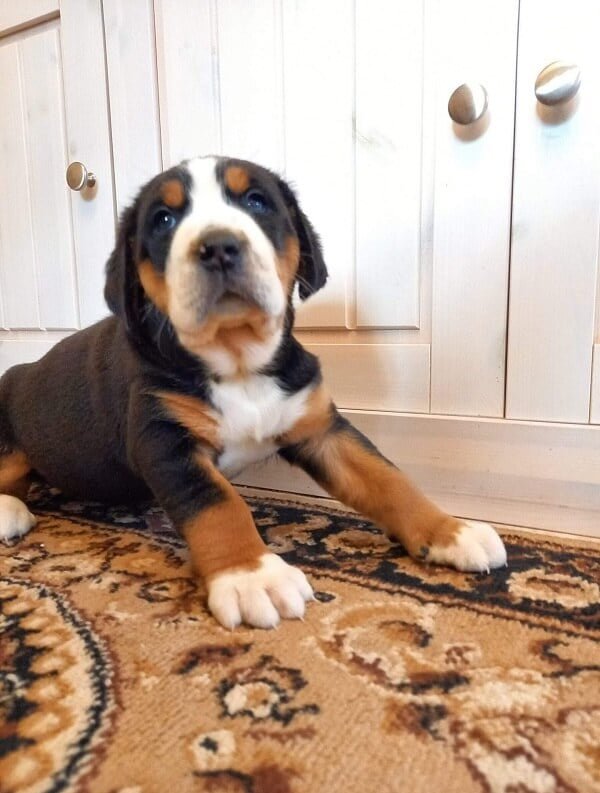
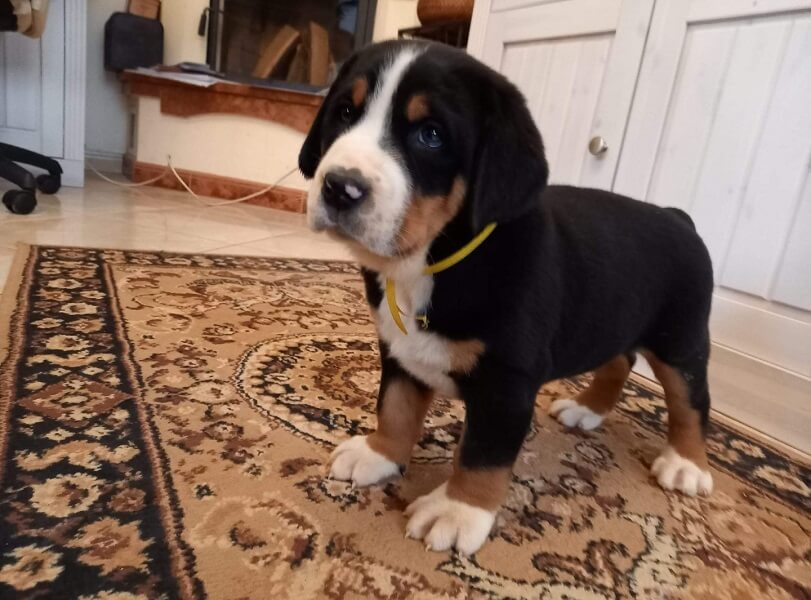
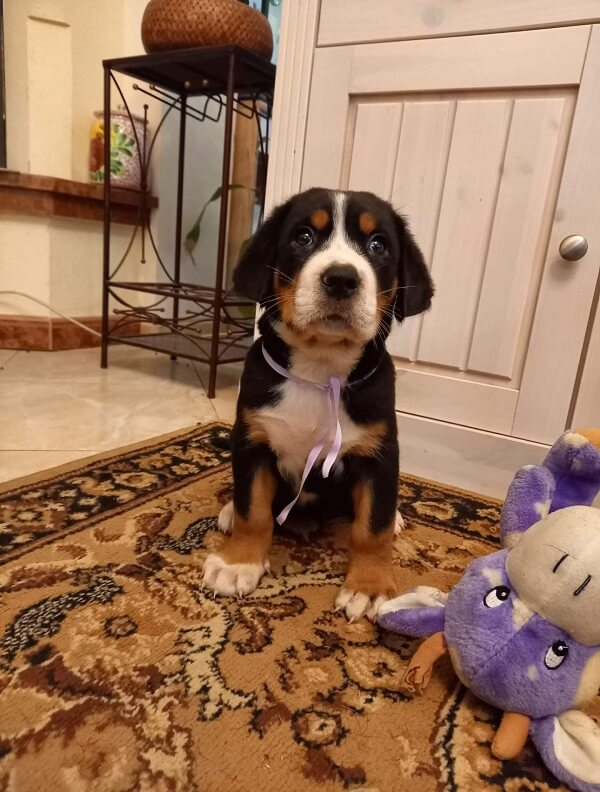
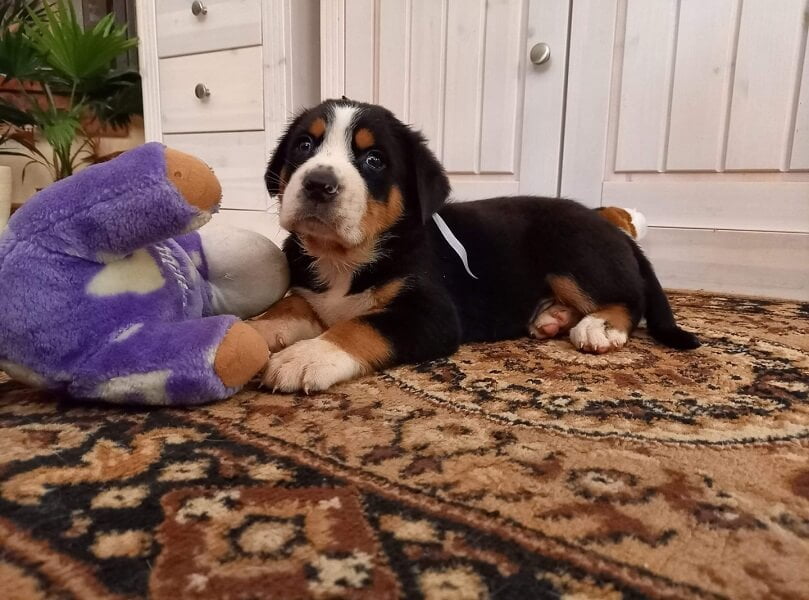
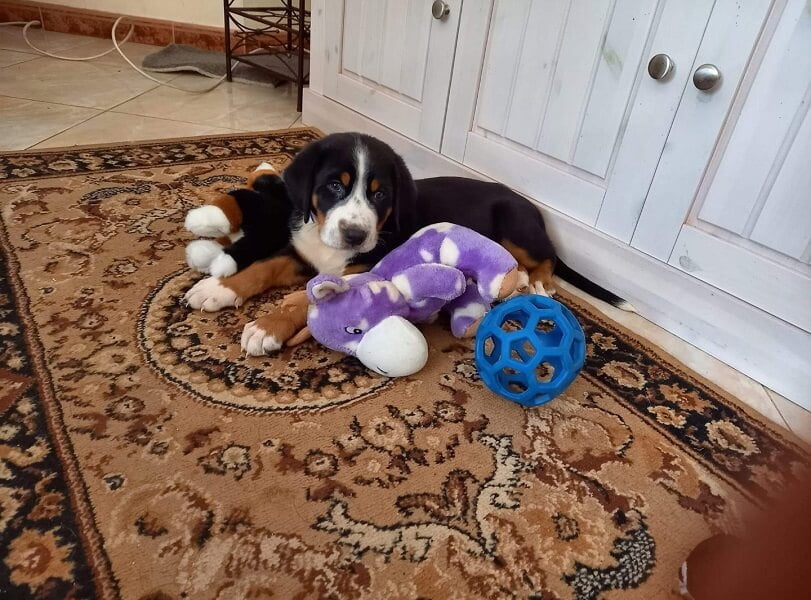
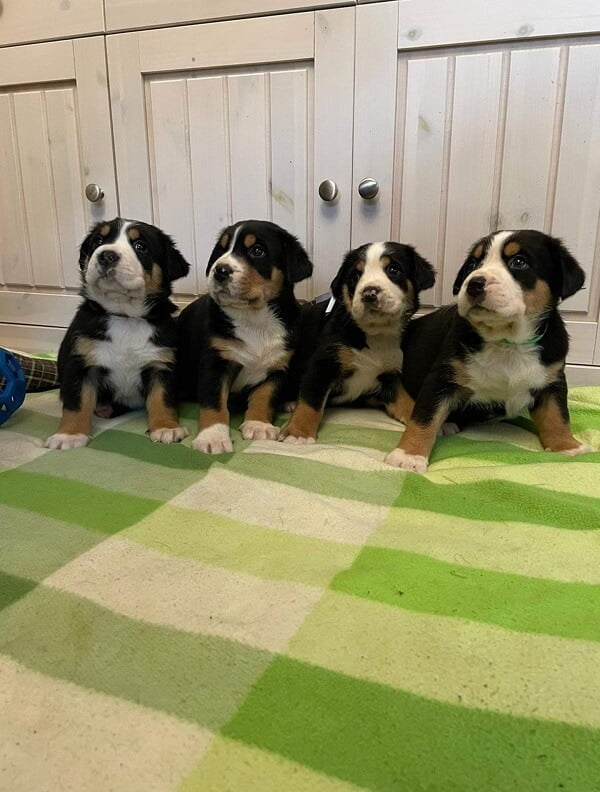
By scrolling through the Balihara Ranch Facebook page, a peculiar pattern emerges. Most of the puppy photos feature the same white cabinet in the background. These photos are presumably intended to give potential buyers the impression that the puppies are growing up in a home environment. However, the reality seems to be far from this.

The puppies in the photos often appear scared and confused. They are usually seen with a single toy which they seem unsure of how to interact with. This suggests a lack of socialization and familiarity with their surroundings.

The Unseen Reality

The constant use of the white cabinet as a backdrop raises questions about the actual living conditions of these puppies. Are they being raised in a nurturing environment, or is the white cabinet merely a prop for marketing photos?

The puppies’ frightened expressions and their unfamiliarity with toys suggest that they are not in their natural environment. Instead, they are likely brought into this setting just for the sake of the photo.

The Illusion of Home

Balihara Ranch’s photos present potential buyers with an untrue view of the puppies’ living conditions. The white cabinet, which appears homely and comfortable, is likely far removed from the puppies’ actual living quarters.

A thorough scroll throughBalihara Ranch’s Facebook page reveals a lack of photos showing puppies playing or sleeping in their beds. This absence further supports the theory that the puppies are not being raised in the conditions Balihara Ranch portrays.

The Unsettling Truth

Balihara Ranch’s practices mirror those of many puppy mills, where the reality does not match the image presented to the public. The frightened eyes of the puppies reveal a reality that is likely far from the comfortable home environment Balihara Ranch portrays.

In conclusion, it is crucial for potential buyers to be aware of these practices and to question the authenticity of the images breeders present. The life of puppies photographed next to a white cabinet may not be as idyllic as it seems.

Below, we attach a few screenshots from Balihara Ranch’s Facebook page and from multiple advertisements published by it that substantiate our claims.
source: facebook.com

Share this:

Send a comment

* name and email address are optional, you can send the comment anonymously

CONTINUE READING

The Qaiser van’t Stokerybos Case: Paper Exports as an Illusion of Oversight Part II: How a System Can Appear Lawful While Being Circumvented in Practice

The Qaiser van’t Stokerybos case shows how easily exports in dog breeding can be used not for cooperation between breeders, but to bypass the rules. A dog may be officially registered abroad while being physically used to breed females elsewhere—without the system addressing that contradiction.

read more

When the Same Pairings Are Repeated to Exhaustion: What the Numbers Reveal About Breeding at Balihara Ranch

Publicly available records through 2023 show that at Balihara Ranch, identical parental combinations were repeated as many as four, six, or even eight times, producing dozens of puppies from a single pairing. Such a degree of repetition is not standard in conventional breeding practice and raises questions about where selective breeding ends and systematic multiplication begins.

read more

When the System Stops Protecting Dogs: The Blind Spots in the FCI System and Breed Clubs That Enable Extreme-Scale Breeding (Part II)

In the first part, we showed where the system fails in the field — in limits, inspections, and exports. This second part uncovers something even more serious: club-level exceptions, conflicts of interest, and lax oversight by the Slovak Cynological Union (SKJ), all of which have allowed kennels like Balihara Ranch to grow to a scale that today’s mechanisms can no longer effectively regulate.

read more

When the System Stops Protecting Dogs:The Blind Spots in the FCI System and Breed Clubs That Enable Extreme-Scale Breeding (Part I)

Current rules of the FCI and breed clubs contain fundamental blind spots: no limits on litters, no meaningful welfare inspections and weak oversight of exports. These gaps create the conditions in which extreme-scale kennels can thrive. And the only way to stop them is to change the system itself — not to address individual cases, such as the Balihara Ranch kennel, only after they grow beyond what today’s club and legislative mechanisms are capable of handling.

read more

When One Breeder Needs Two Breeding Advisors: An Unusual Decision of the Slovak Club of Swiss Mountain Dogs That Reveals More Than It First Appears

The Slovak Club of Swiss Mountain Dogs has published an exceptional detail: two breeding advisors assigned to the owner of the Balihara Ranch kennel — the only such case in the entire system. This rare exception signals that behind the polished façade of the kennel may conceal a far greater scale of breeding activity and administrative workload than the public typically imagines.

read more