
In the world of dog breeding, transparency and ethical practices are paramount. However, not all breeders adhere to these principles. One such case is the Balihara Ranch kennel.
The White Cabinet Phenomenon
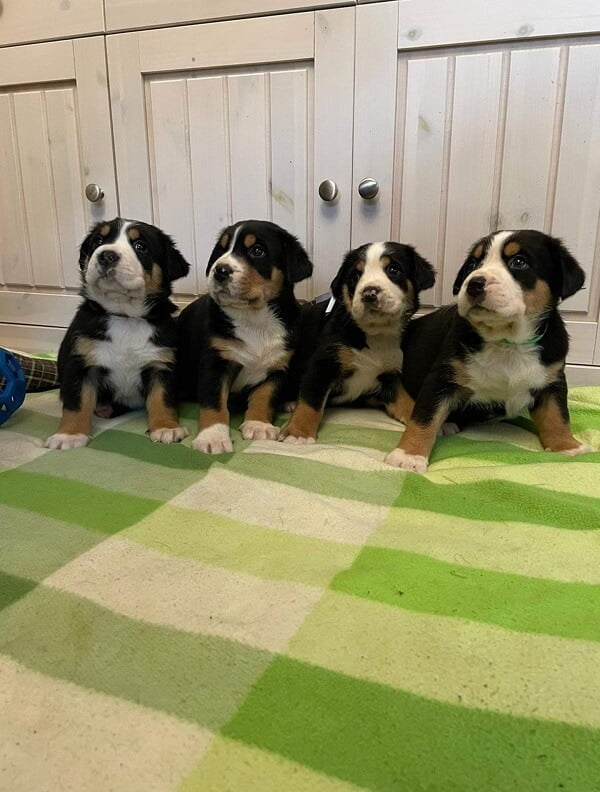
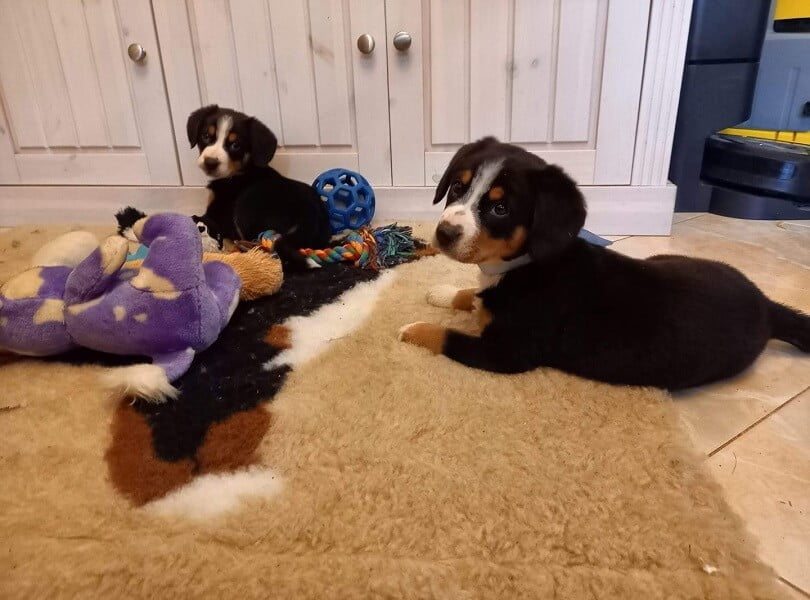
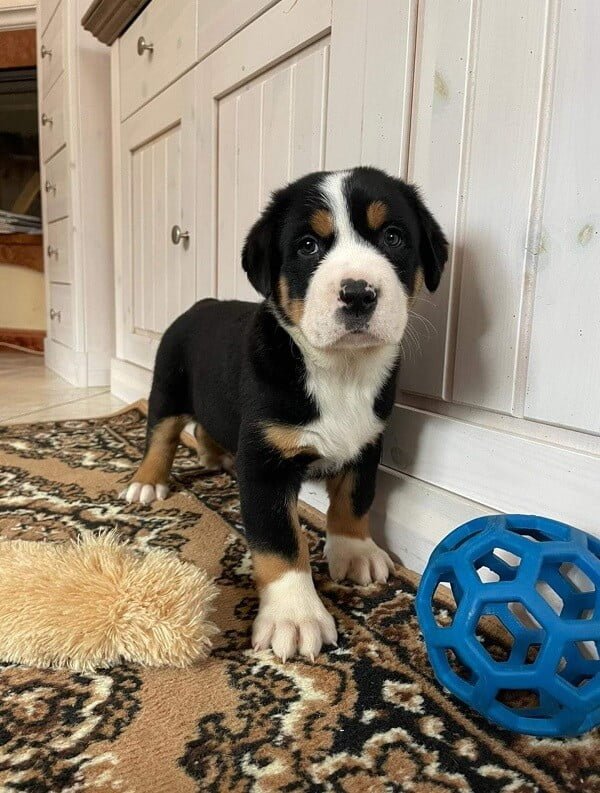
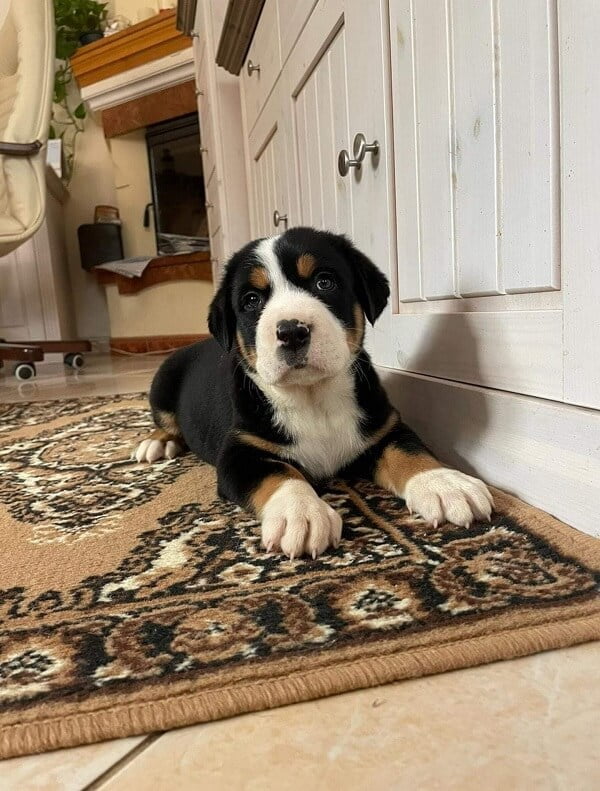
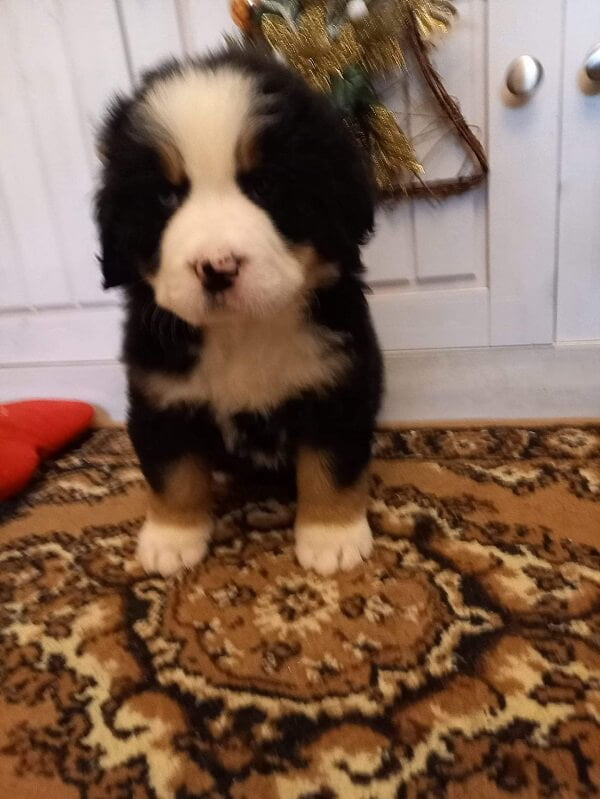
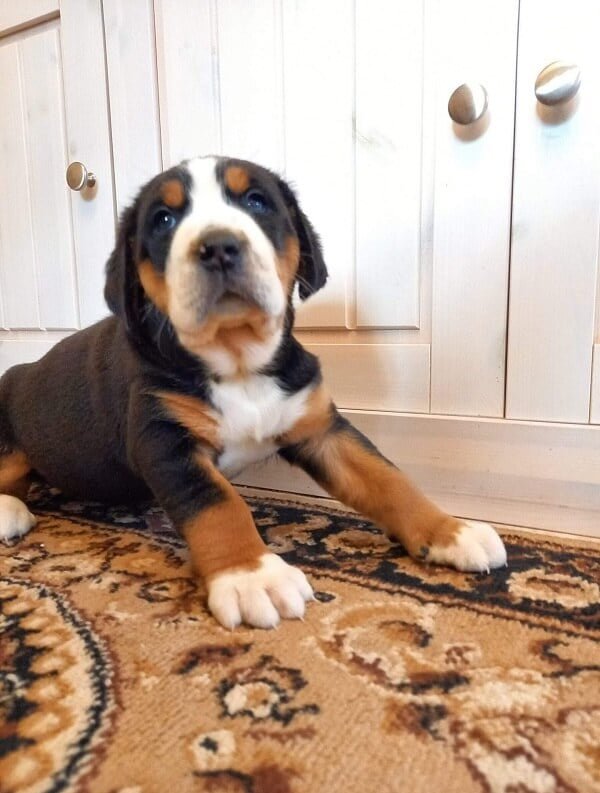
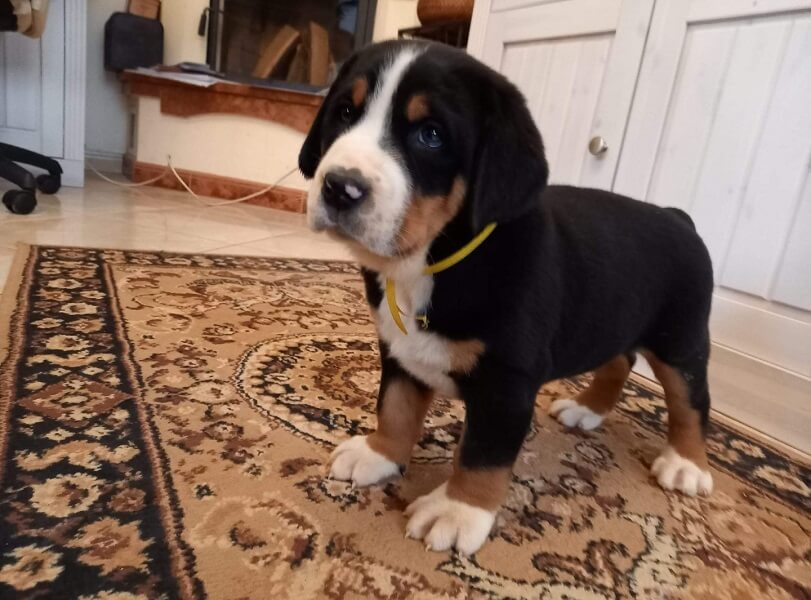
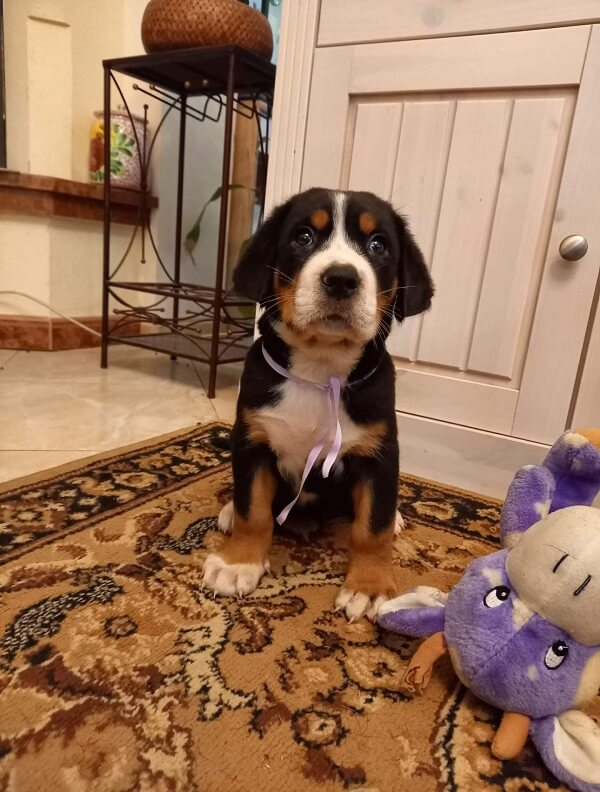
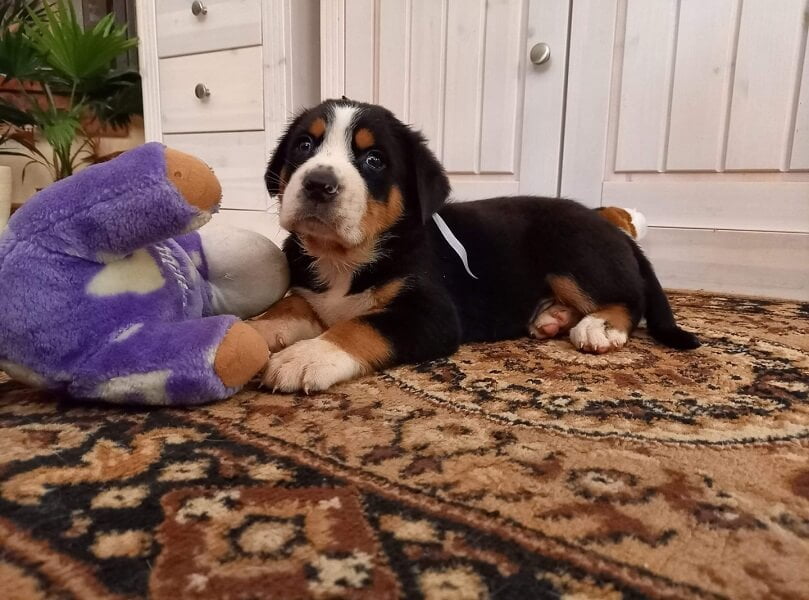
By scrolling through the Balihara Ranch Facebook page, a peculiar pattern emerges. Most of the puppy photos feature the same white cabinet in the background. These photos are presumably intended to give potential buyers the impression that the puppies are growing up in a home environment. However, the reality seems to be far from this.
The puppies in the photos often appear scared and confused. They are usually seen with a single toy which they seem unsure of how to interact with. This suggests a lack of socialization and familiarity with their surroundings.
The Unseen Reality
The constant use of the white cabinet as a backdrop raises questions about the actual living conditions of these puppies. Are they being raised in a nurturing environment, or is the white cabinet merely a prop for marketing photos?
The puppies’ frightened expressions and their unfamiliarity with toys suggest that they are not in their natural environment. Instead, they are likely brought into this setting just for the sake of the photo.
The Illusion of Home
Balihara Ranch’s photos present potential buyers with an untrue view of the puppies’ living conditions. The white cabinet, which appears homely and comfortable, is likely far removed from the puppies’ actual living quarters.
A thorough scroll throughBalihara Ranch’s Facebook page reveals a lack of photos showing puppies playing or sleeping in their beds. This absence further supports the theory that the puppies are not being raised in the conditions Balihara Ranch portrays.
The Unsettling Truth
Balihara Ranch’s practices mirror those of many puppy mills, where the reality does not match the image presented to the public. The frightened eyes of the puppies reveal a reality that is likely far from the comfortable home environment Balihara Ranch portrays.
In conclusion, it is crucial for potential buyers to be aware of these practices and to question the authenticity of the images breeders present. The life of puppies photographed next to a white cabinet may not be as idyllic as it seems.
Below, we attach a few screenshots from Balihara Ranch’s Facebook page and from multiple advertisements published by it that substantiate our claims.











source: facebook.com