
One person. 81 officially approved Swiss Mountain Dogs over a span of just 12 years.
Before they were taken down, we managed to collect and archive the complete breeding approval records that the Slovak Club of Swiss Mountain Dogs had been publishing online since 2012. When we sorted the data by breeder name, we were stunned.
The result? Shocking. Breathtaking. Deeply unsettling.
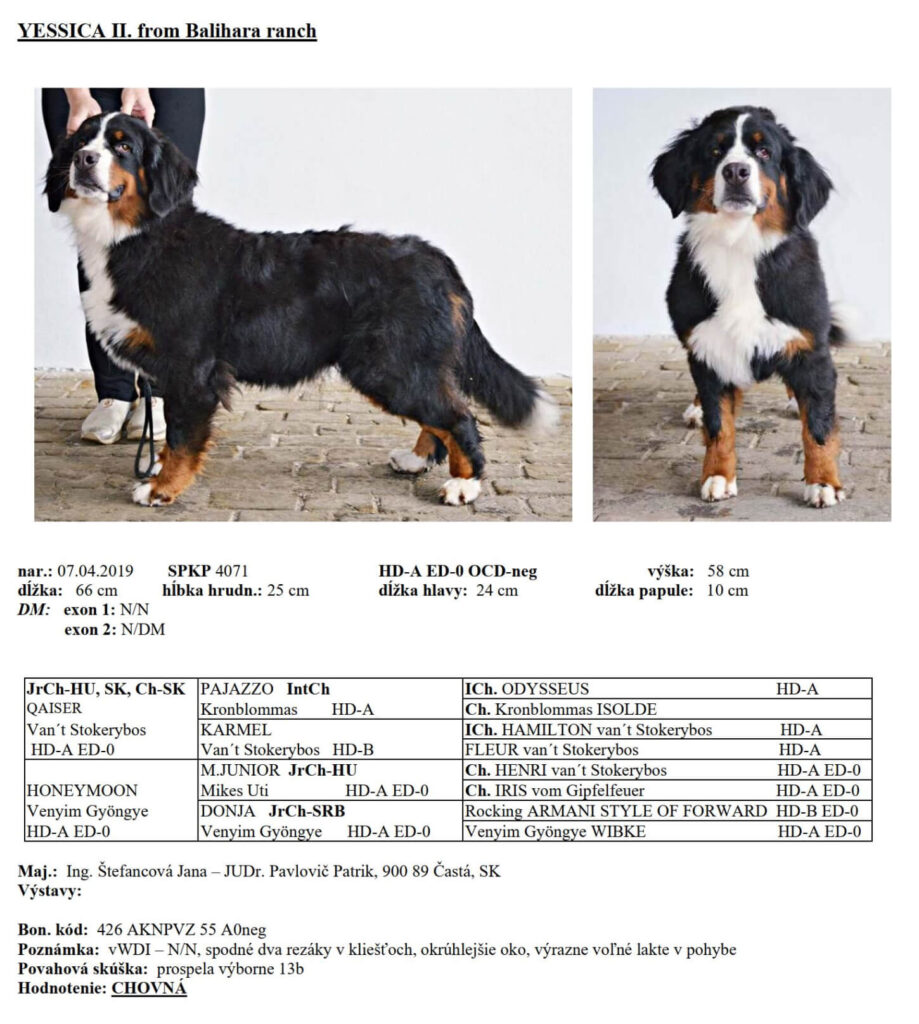
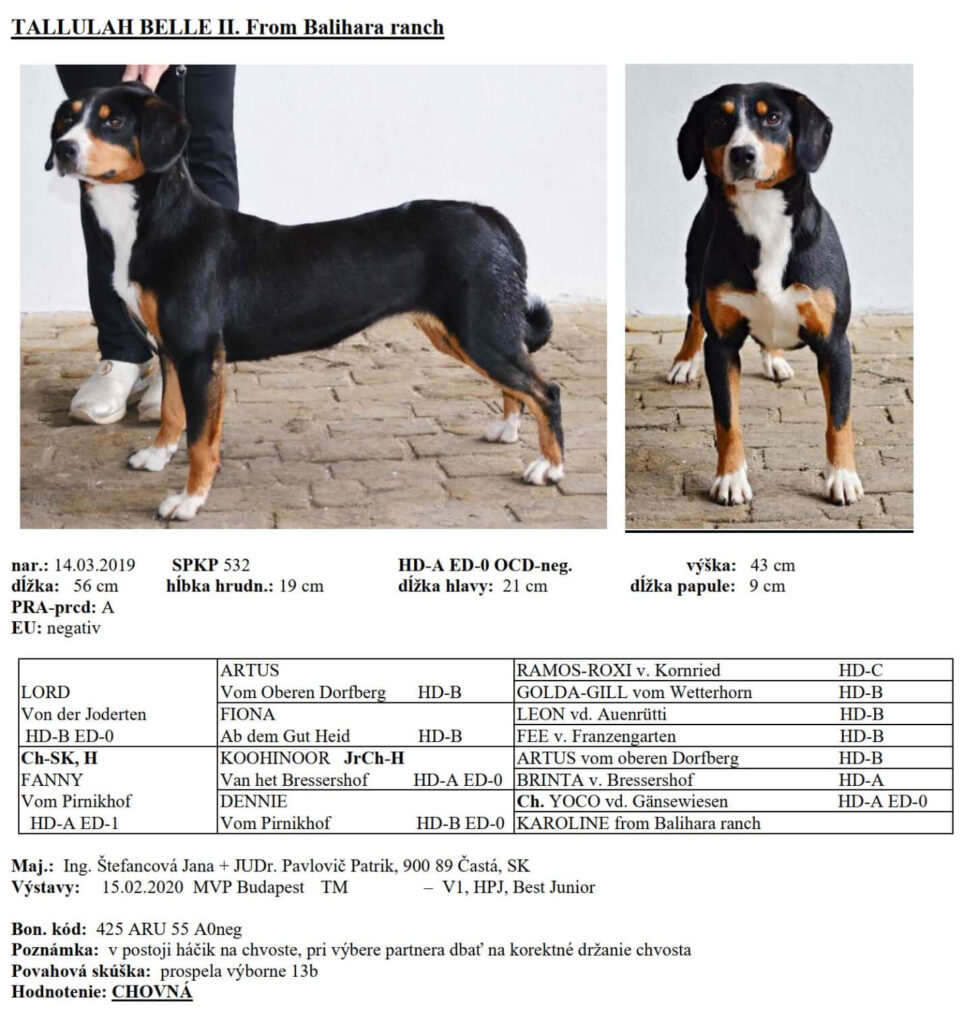
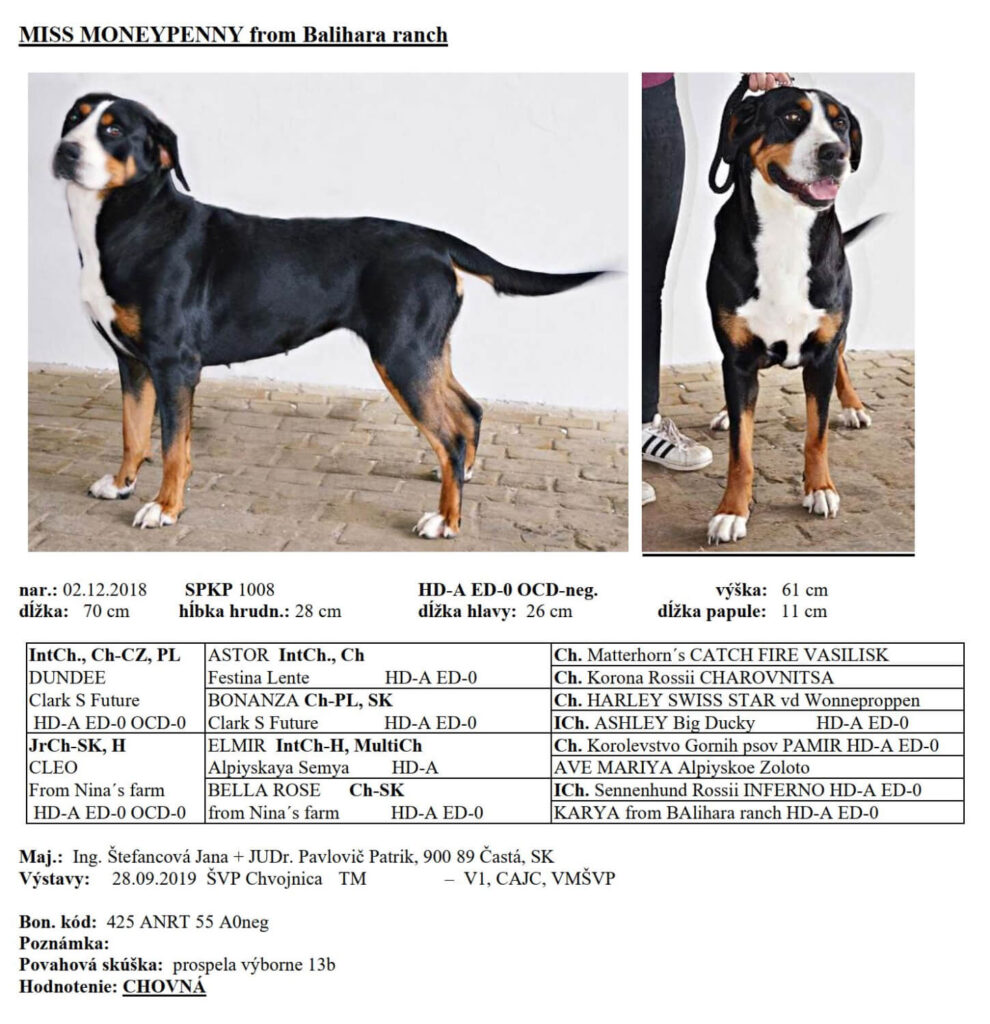
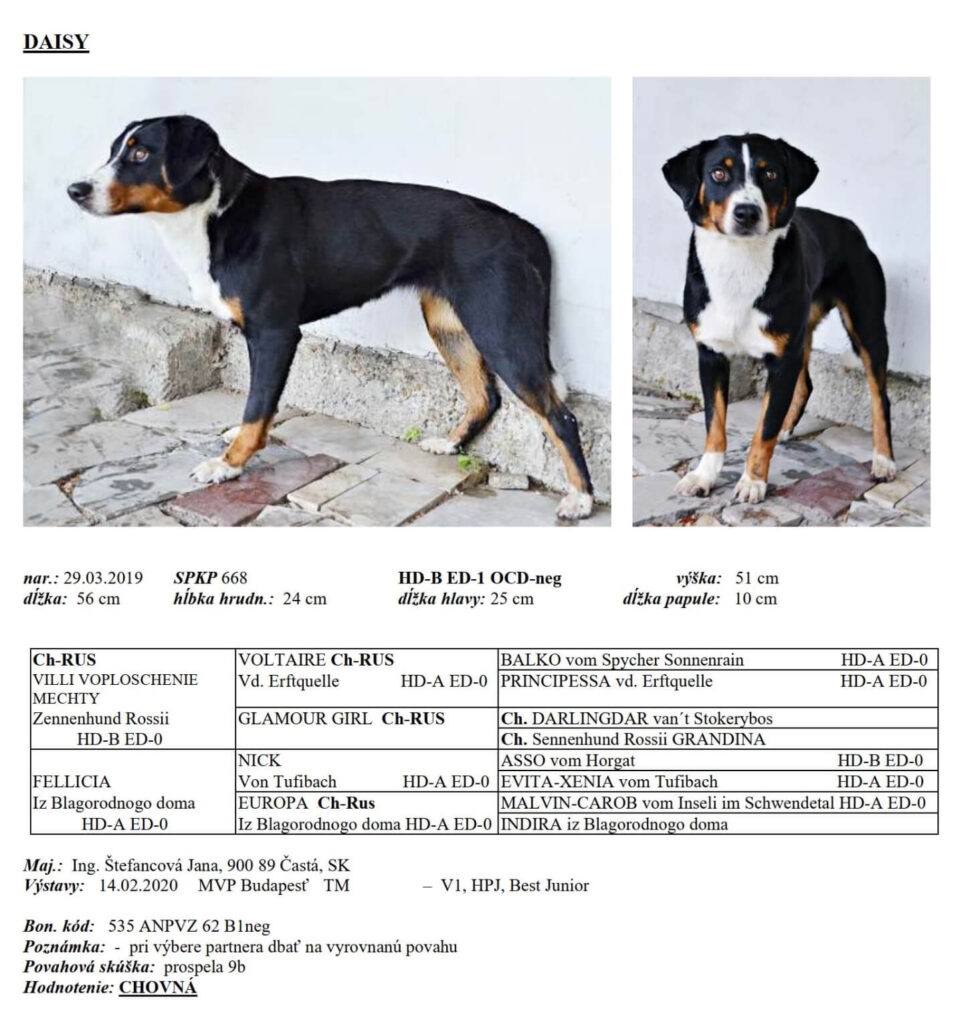
From the full set of breeding approvals, we filtered out the dogs registered under a single breeder’s name—the owner of the FCI-registered kennel “Balihara Ranch.” The final tally: 81 dogs approved for breeding in just 12 years. All officially assessed under her name, all registered in her ownership, and nearly all bred under her protected kennel name.
What Does This Number Actually Mean?
An average ethical breeder might have 5—at most 10—dogs approved for breeding over the course of 12 years. And that’s with pauses in between, respecting the dogs’ well-being, health, and natural life cycle.
In that same timeframe, the owner of Balihara Ranch had eighty-one dogs approved. And that doesn’t even include those registered before 2012—based on our records, that number is likely similar, around 80 more dogs.
The average lifespan of Swiss Mountain Dog breeds (Bernese, Greater Swiss, Entlebucher, and Appenzeller) ranges from 8 to 12 years. So what does that mean in practice?
- It means that, during these 12 years, there had to be an enormous number of dogs housed at Balihara Ranch at the same time.
- It means breeding was happening on a large scale—industrial, even.
- It means each dog was part of a well-oiled production system, not a carefully curated ethical breeding line.
And here’s where we often hear another attempt at justification, straight from the owner of Balihara Ranch herself:
“These dogs aren’t all mine—they’re just registered under my name, or I’m simply using them for breeding.”
But if that’s truly the case, it actually makes the situation worse:
- Either these are her own dogs, being systematically bred on an excessive scale, with far too many kept in a single kennel, in a single yard…
- Or they’re “borrowed” dogs, whose litters are funneled through one breeding brand. That’s no longer about responsible breeding—it’s a commercial model, using outsourced breeding stock and producing puppies as a product.
A commercial model that the FCI strictly prohibits.
Either way, the illusion of “ethical breeding” falls apart.
When a single person oversees dozens of litters each year—whether using their own dogs or others’—what we’re looking at isn’t responsible dog breeding.
It’s a business operation.
No, This Is Not Ethical Breeding
The owner of Balihara Ranch has long tried to present herself as a responsible and ethical breeder. She leans on her FCI judge title, positions herself as an expert, and is seen by many as a respected breeder.
And that’s exactly what makes this situation even more serious.
From the public breeding approval data, it’s clear that:
- Every single dog was legally owned by the Balihara Ranch owner.
- Every dog was officially approved under her name.
- Nearly every one of them was used in breeding—naturally, under the Balihara Ranch brand.
What’s happening at Balihara Ranch doesn’t align with the definition of ethical breeding.
In every way, it resembles a fully autonomous dog-production facility.
“Dog breeding should serve the preservation of the breed, improvement of health, and character. It should never be driven solely by financial motives.”
— FCI, General Breeding Principles
Some might say:
“But Balihara Ranch is preserving the breed, spreading it internationally, maybe even improving health. Maybe they just have more dogs because they’re successful…”
And that’s exactly where the problem begins.
Preserving a breed does not mean mass-producing it like a dog factory.
Improving the health of a breed does not mean churning out nearly 100 puppies a year—consistently, for almost three decades.
Genetic diversity does not come from a closed yard and a single individual.
What might look like “a successful kennel” at first glance, is in truth a systematically operated dog factory, where profit takes center stage—not breed standards, not health, not temperament.
And that is the exact opposite of what FCI breeding is supposed to represent.
The Ethical Consequences of Mass Breeding Like This
- Overbreeding of Females
Many of the breeding females at Balihara Ranch had between 5 to 8 litters in their lifetime—far exceeding the recommended maximum and putting their health at serious risk. - Reduced Genetic Diversity
Repeated use of the same bloodlines and combinations leads to narrowing the gene pool, weakening the breed over time. - Lack of Individual Care
It is physically impossible for one person to provide the time, space, and human attention that dozens of dogs truly need and deserve. - Undermining the Value of Breeding as a Noble Endeavor
Breeding under the FCI is supposed to be about the improvement and preservation of the breed—not a means to profit. - Eroding Public Trust in FCI and the Slovak Club of Swiss Mountain Dogs
When a judge and prominent figure in the club herself violates the spirit of the rules, it casts a shadow over the entire system.
And the Biggest Irony?
No other breeder—within the Slovak Club of Swiss Mountain Dogs or beyond—comes anywhere close to these numbers.
Balihara Ranch kennel stands in stark dominance, both in the number of dogs approved for breeding and the number of litters produced.
And despite all of this:
- People continue buying dogs from this kennel.
- Breeders still sell their dogs to the owner of Balihara Ranch.
- And many breeders and breed enthusiasts continue to support and publicly praise her work.
Final Thoughts & A Call to Action
How is it even possible that this kind of breeding operation is allowed to continue?
How can one person have 81 dogs approved for breeding in just 12 years—with no system in place for oversight, limitations, or consequences?
Why do the breed club and the FCI tolerate this level of mass production—right under their watch, in direct contradiction to the principles they claim to stand for?
And most importantly:
Why are we still silent?
Even now—when we have the data, the evidence, and publicly available facts?
Attached to This Article
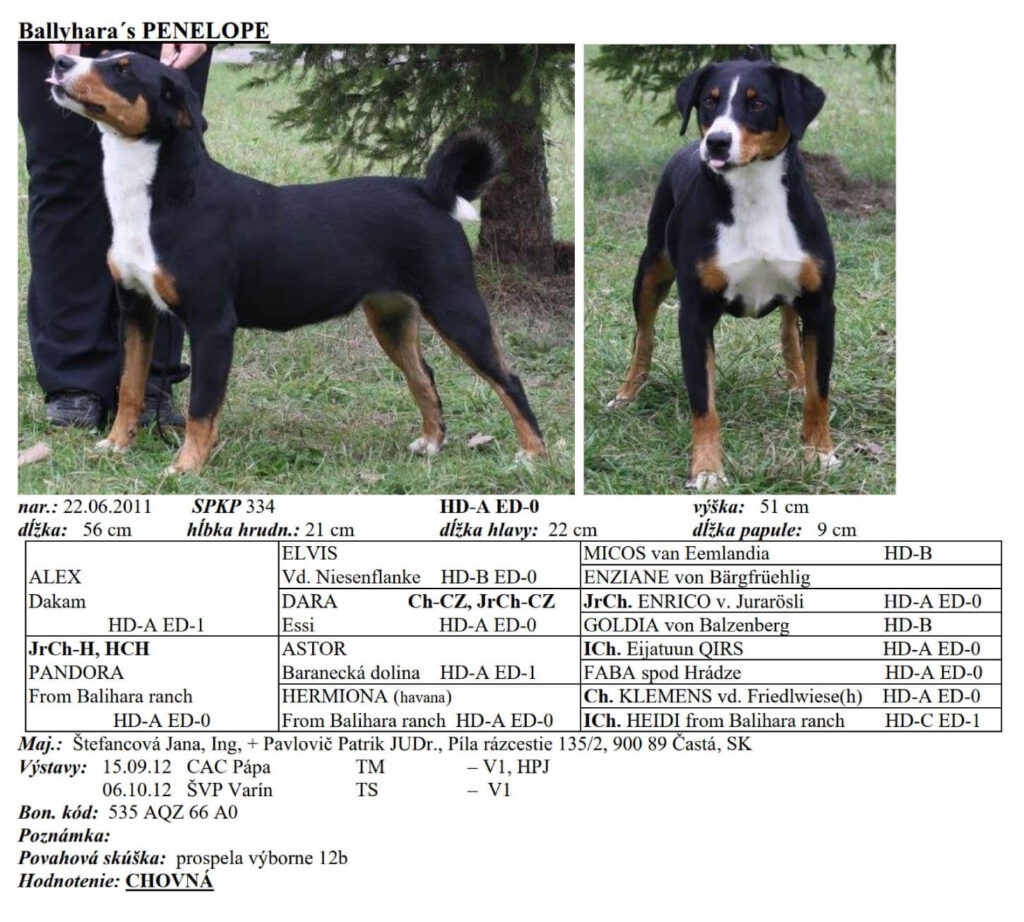
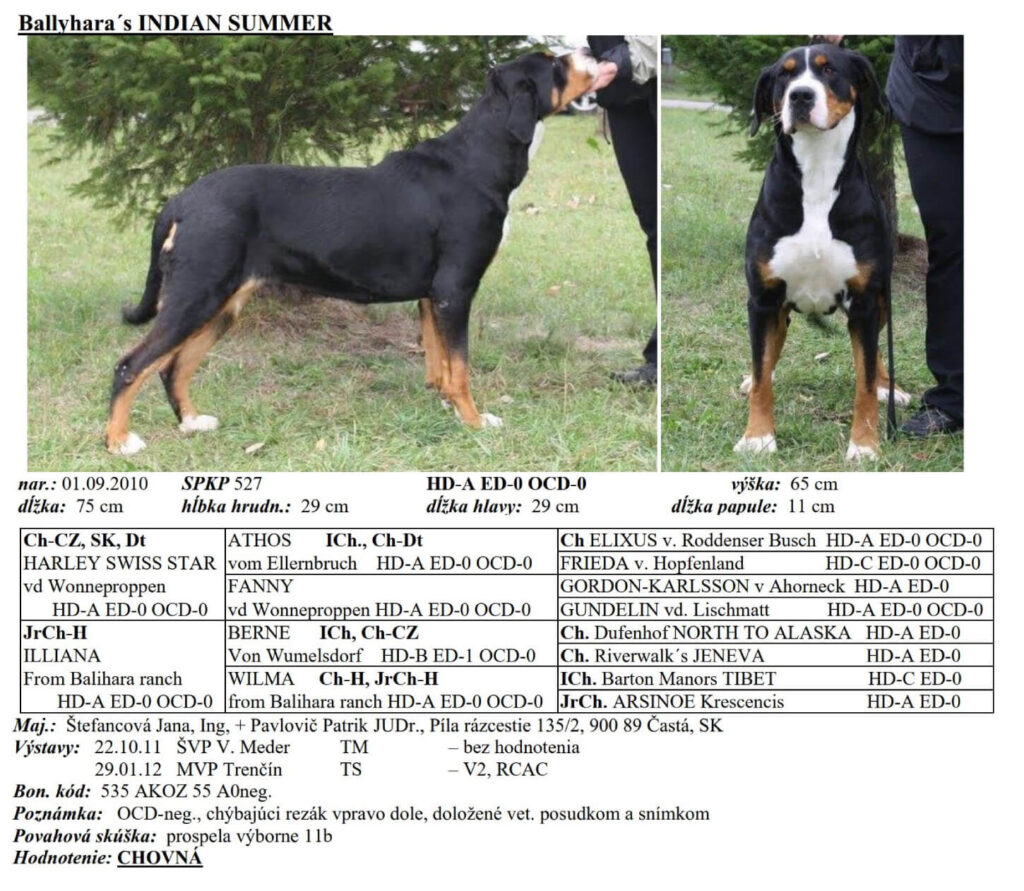
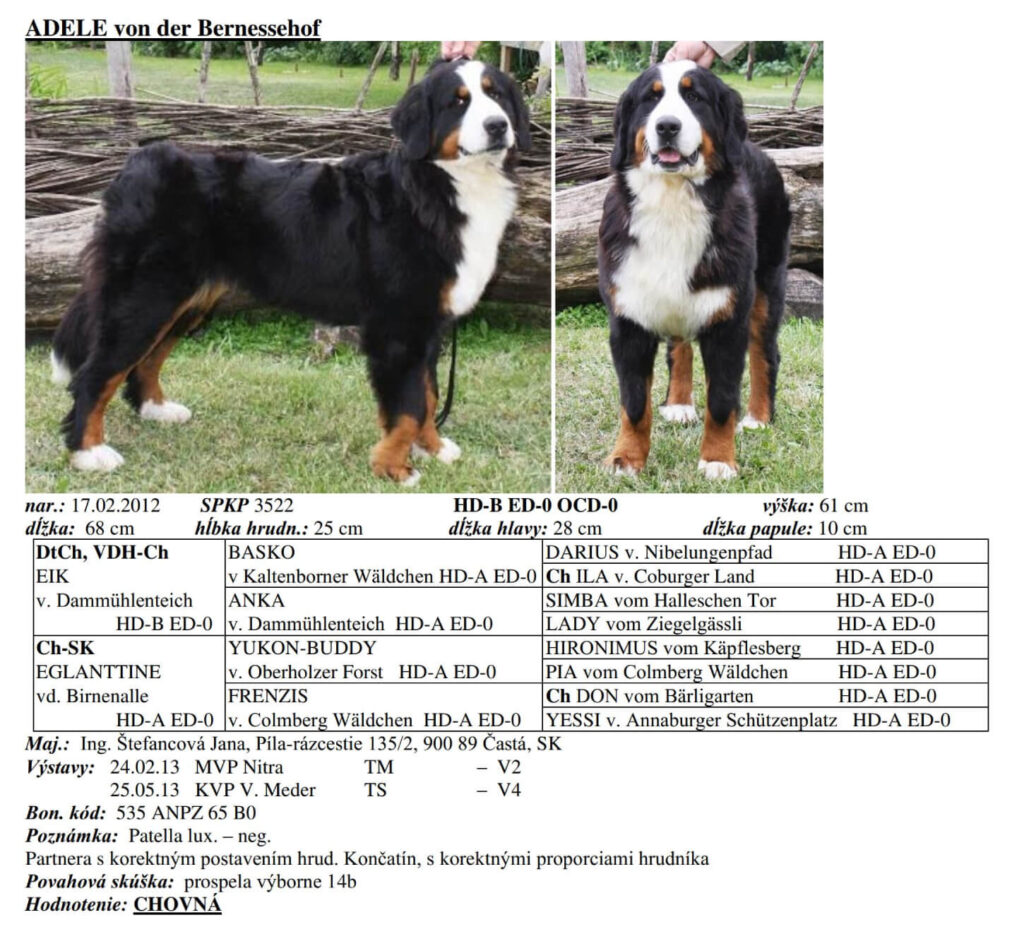
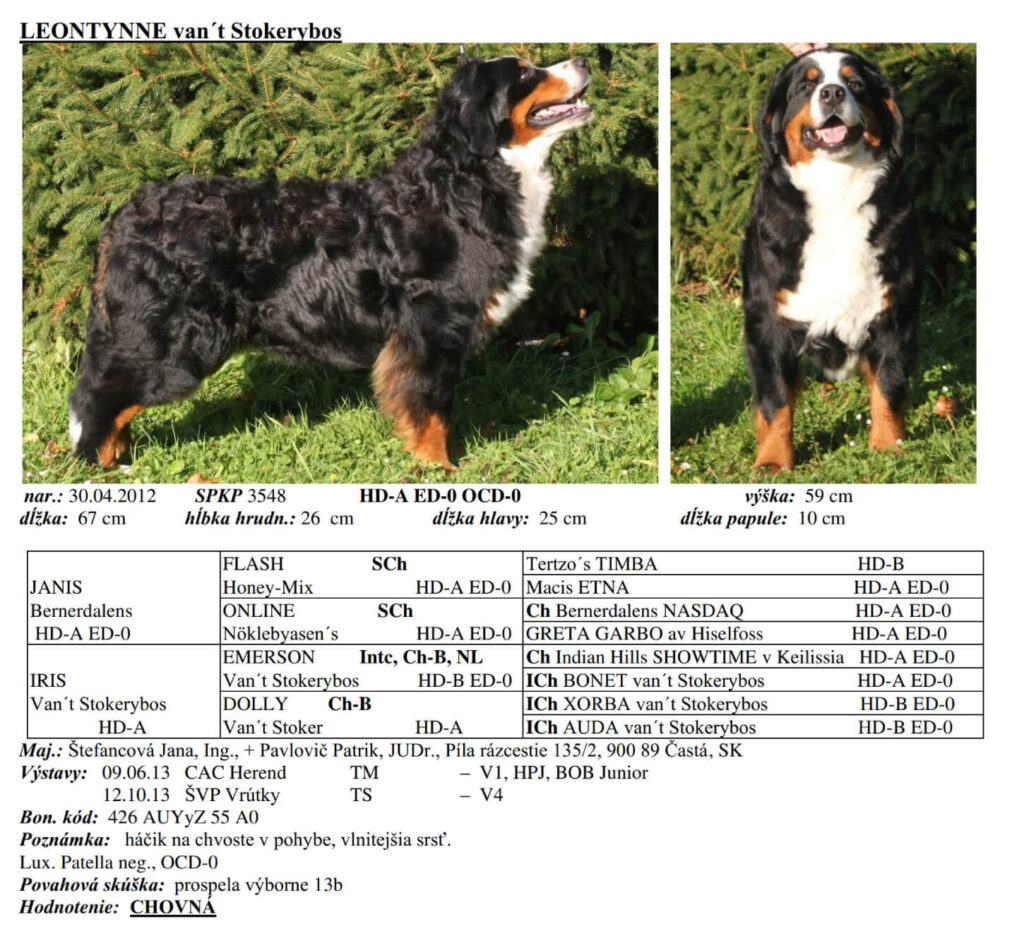
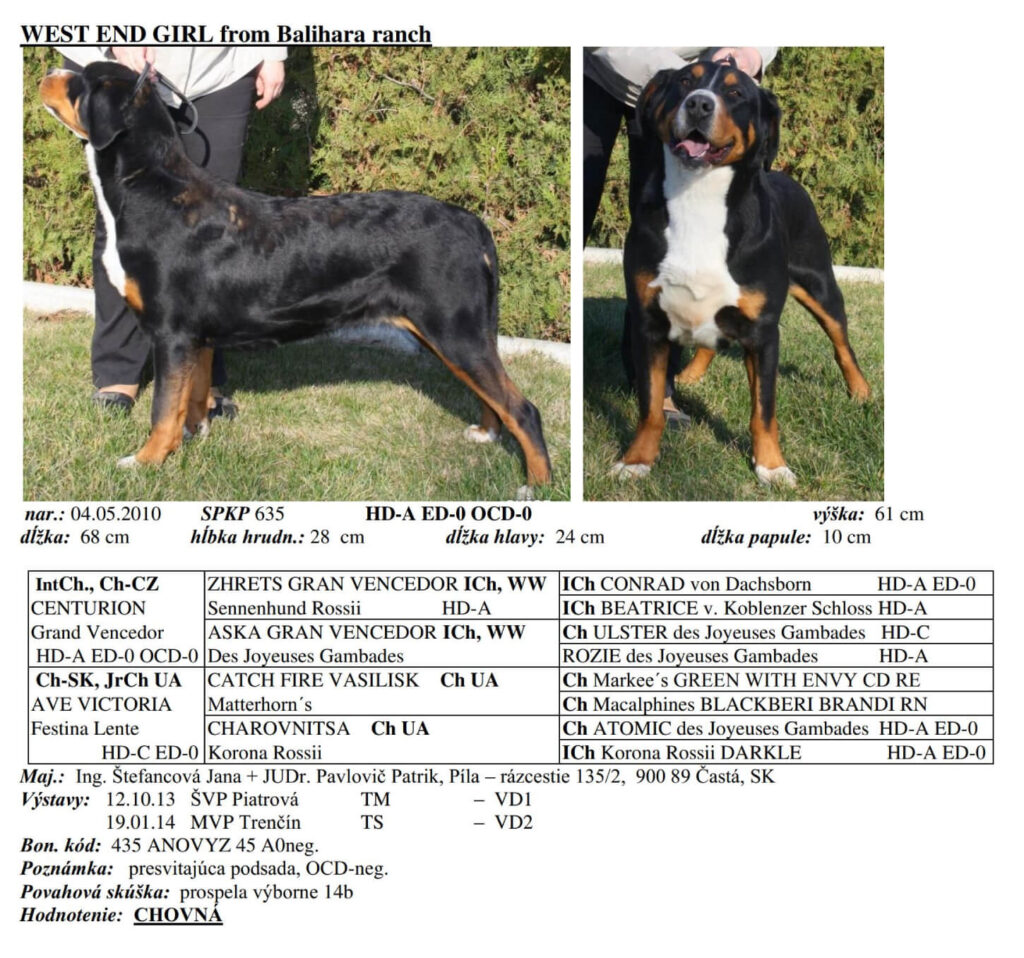
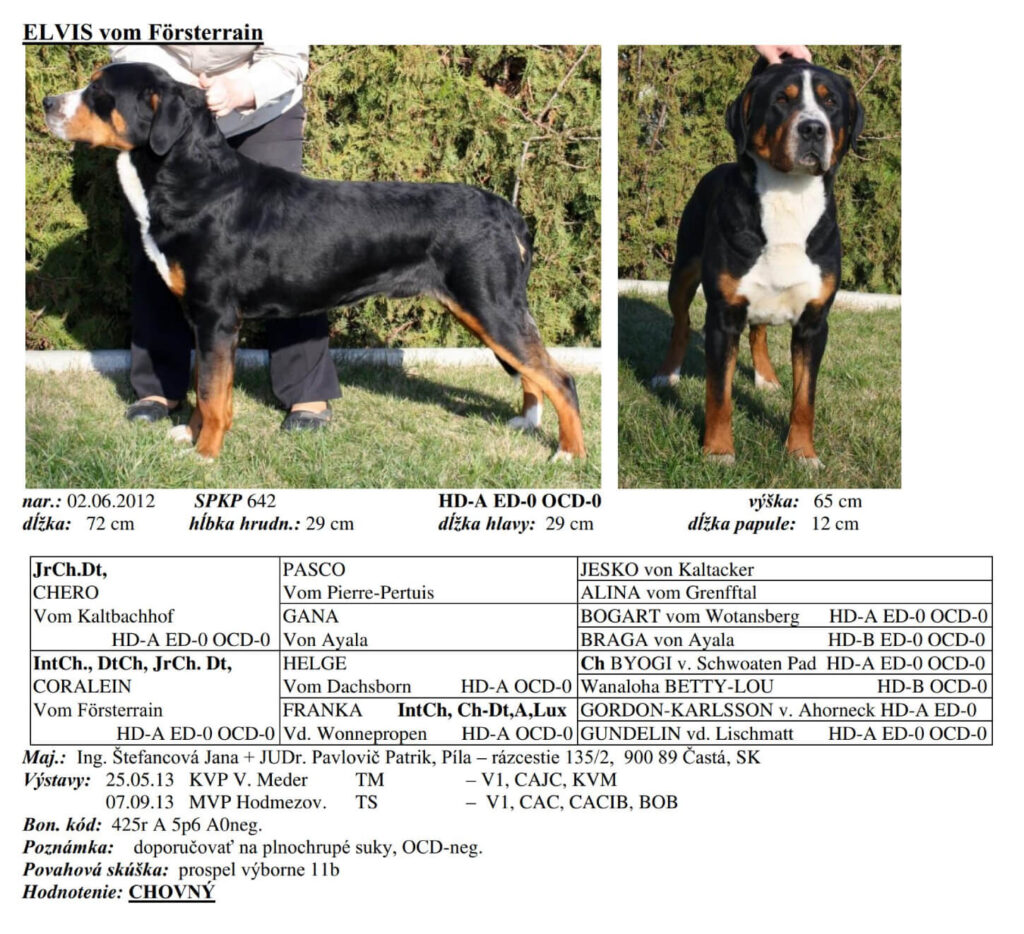
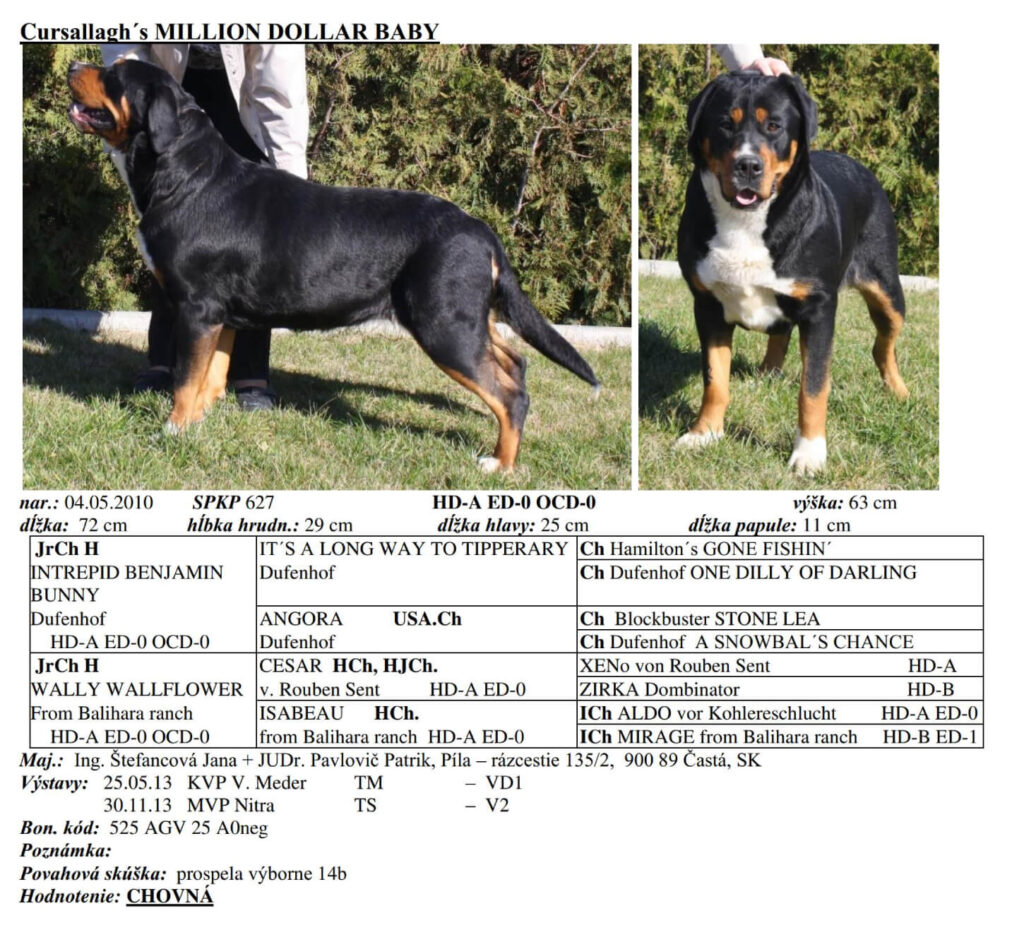
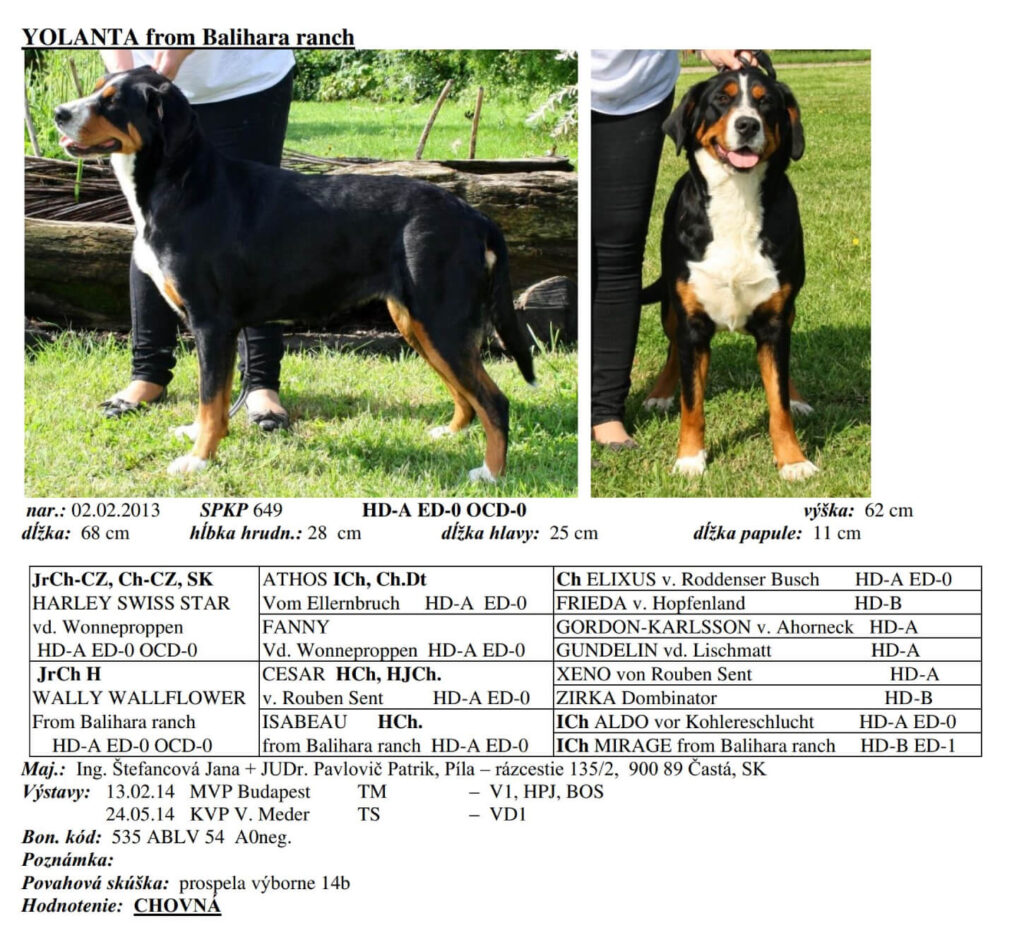
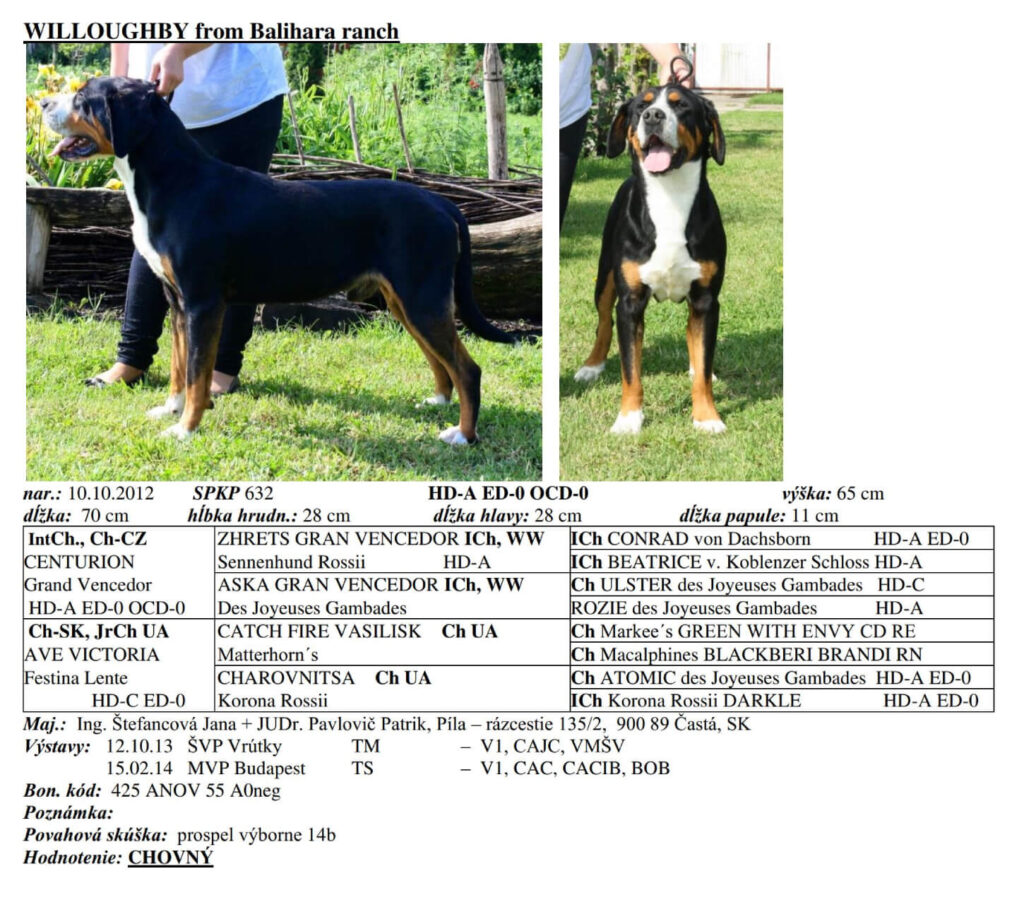
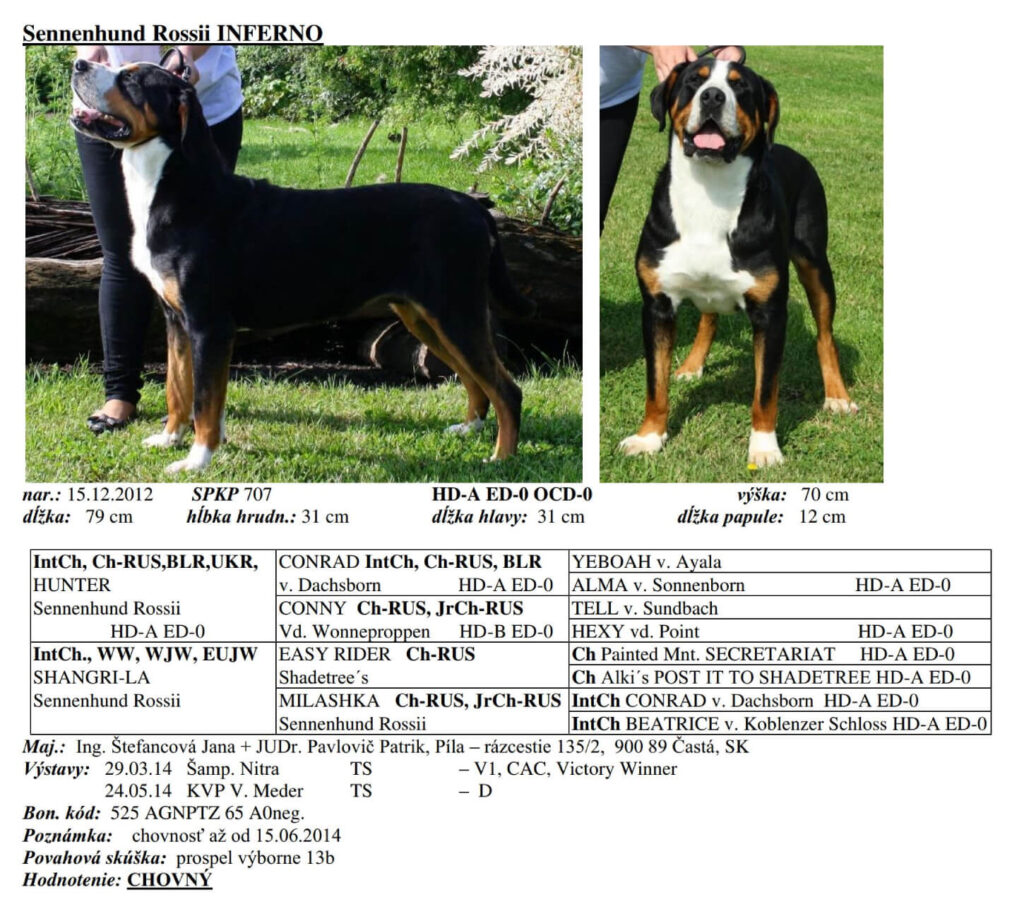
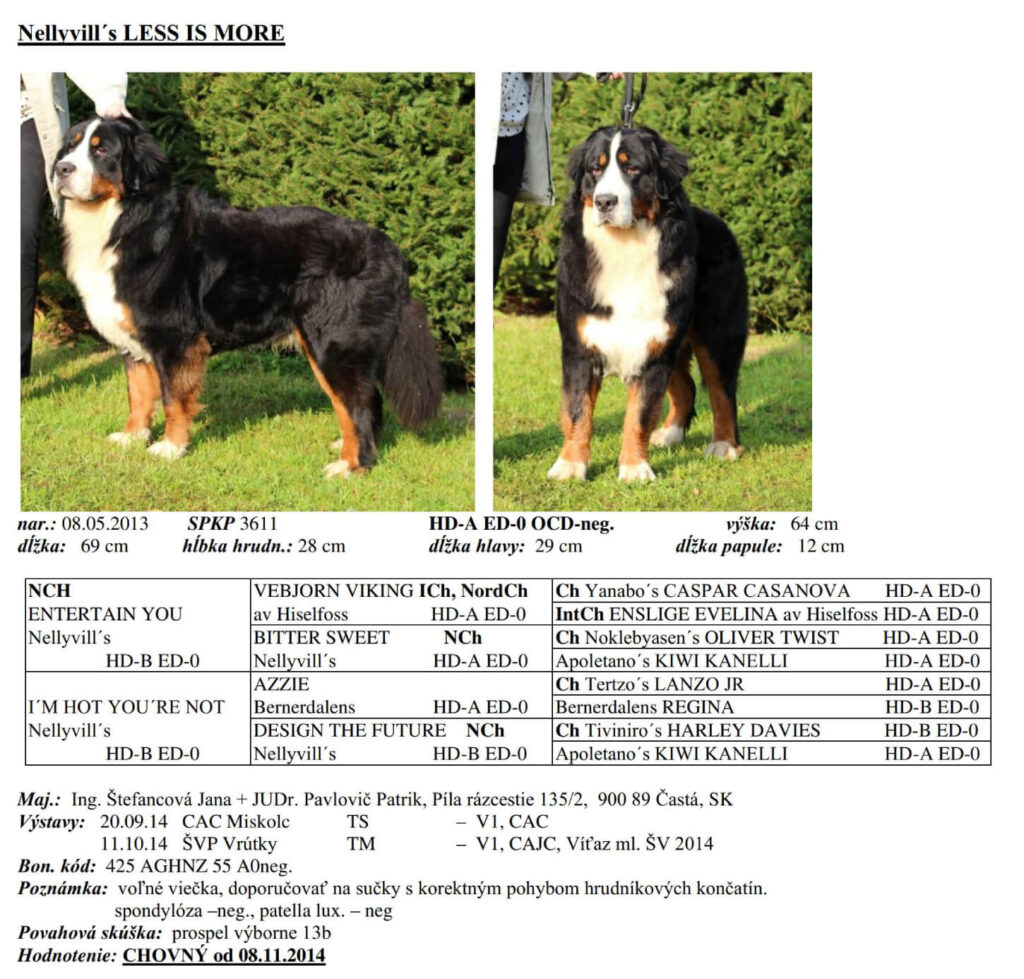
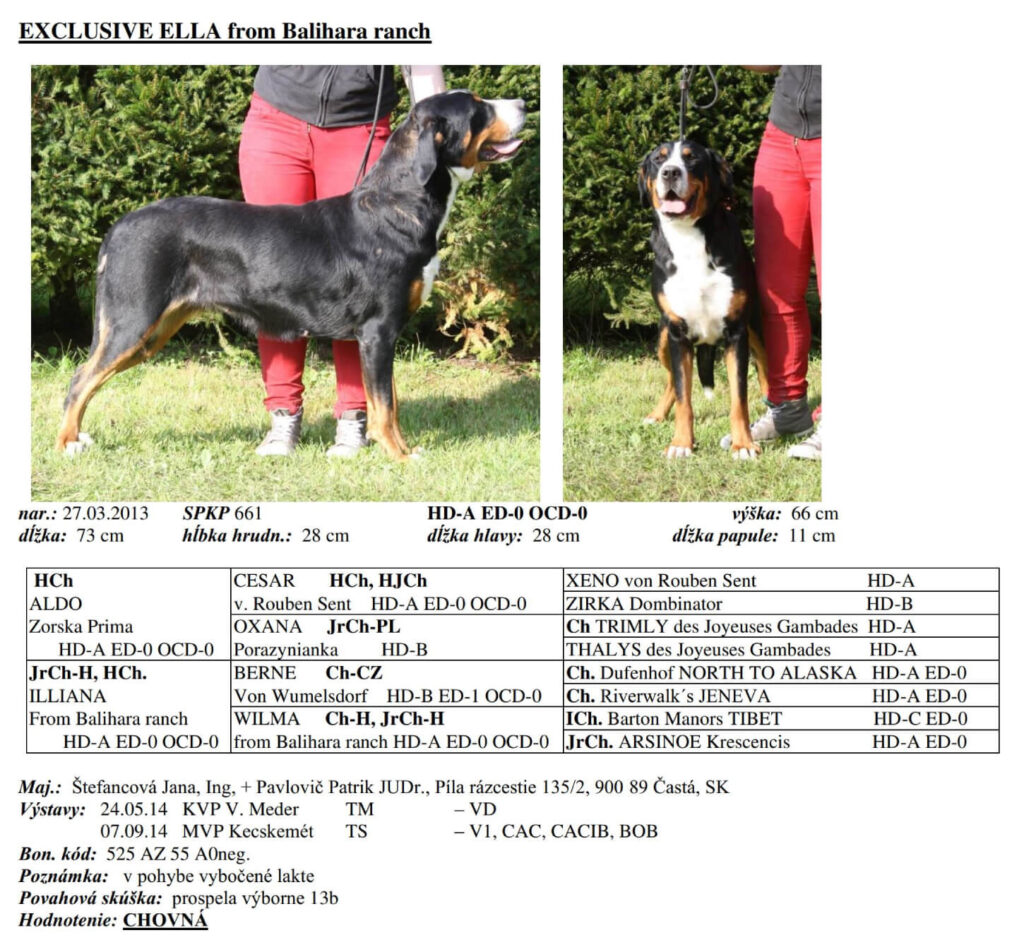
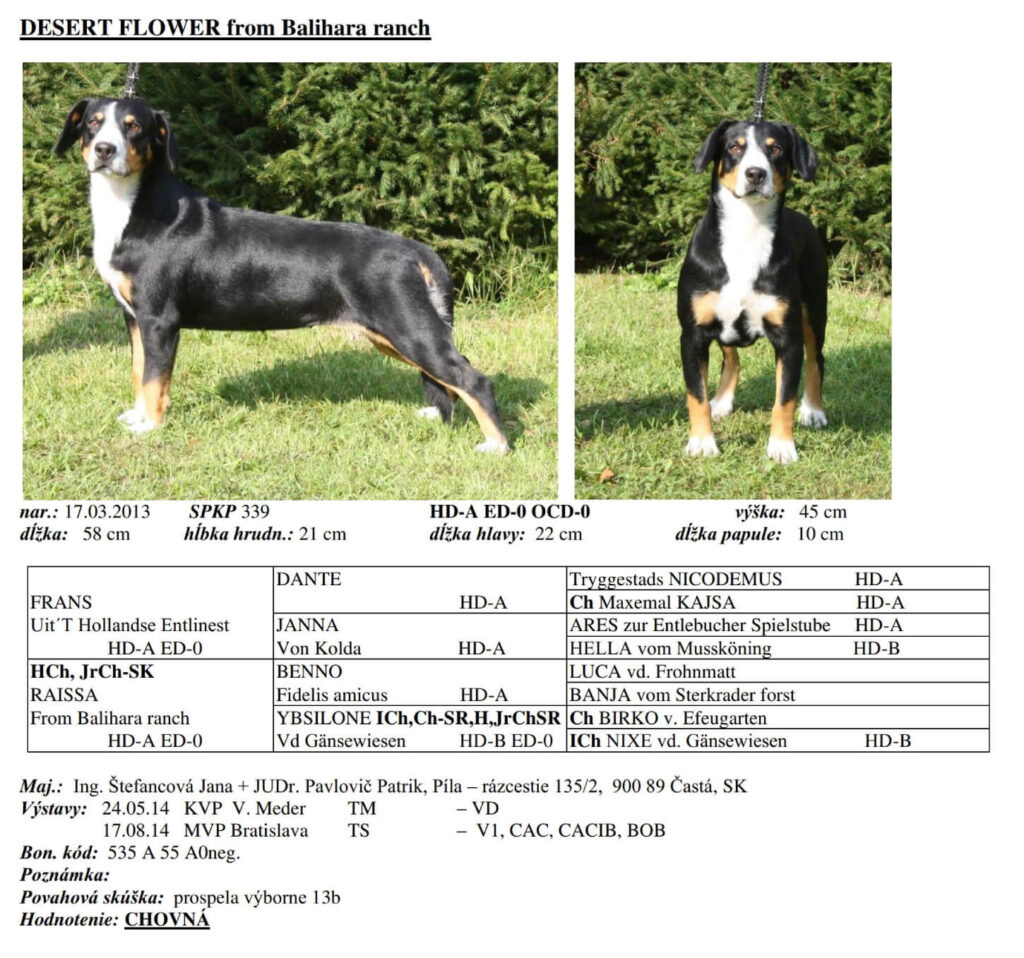
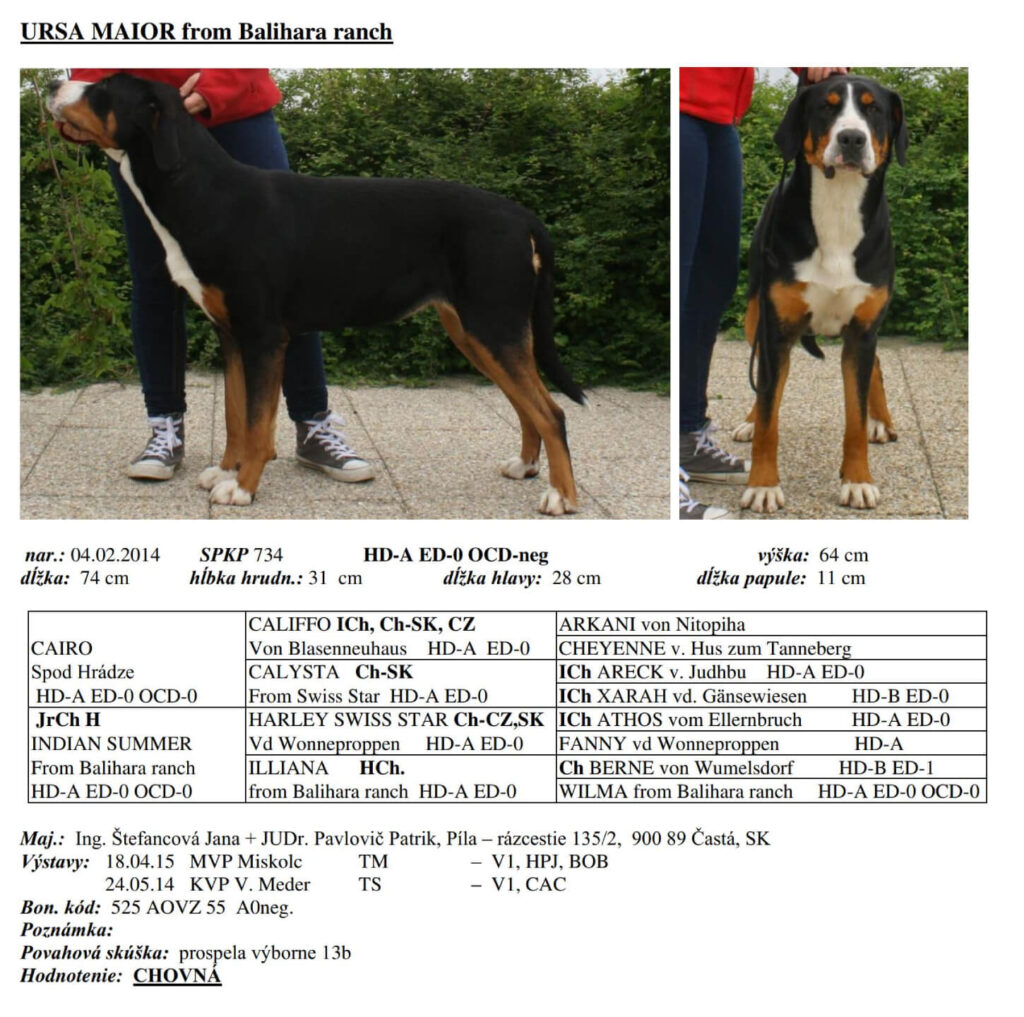
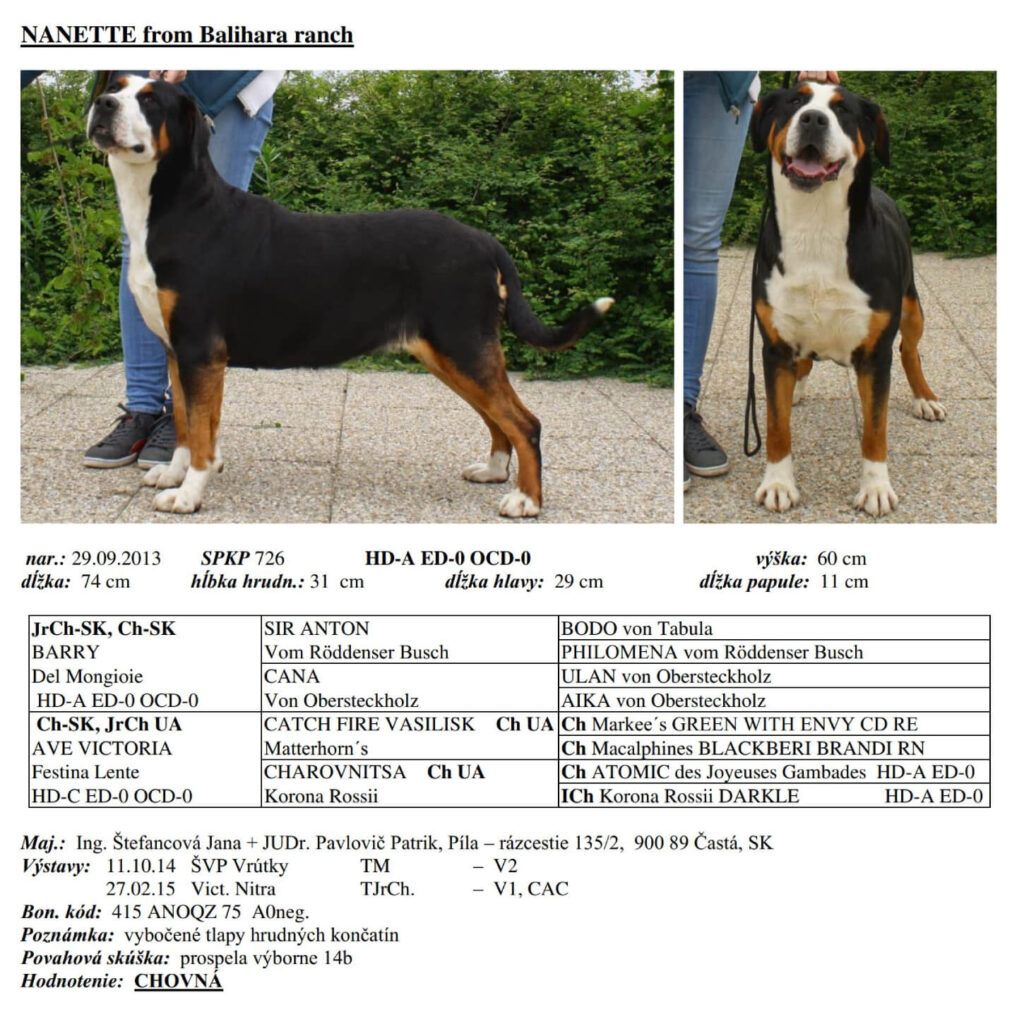
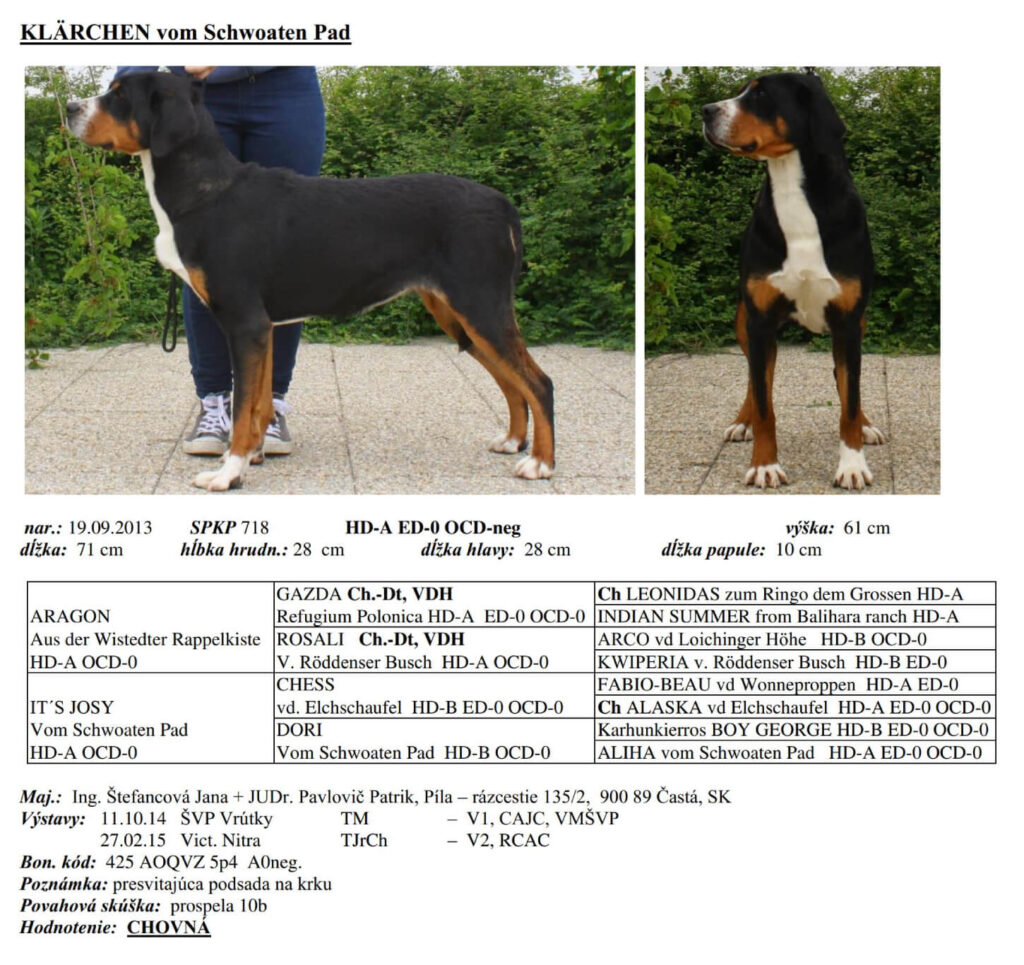
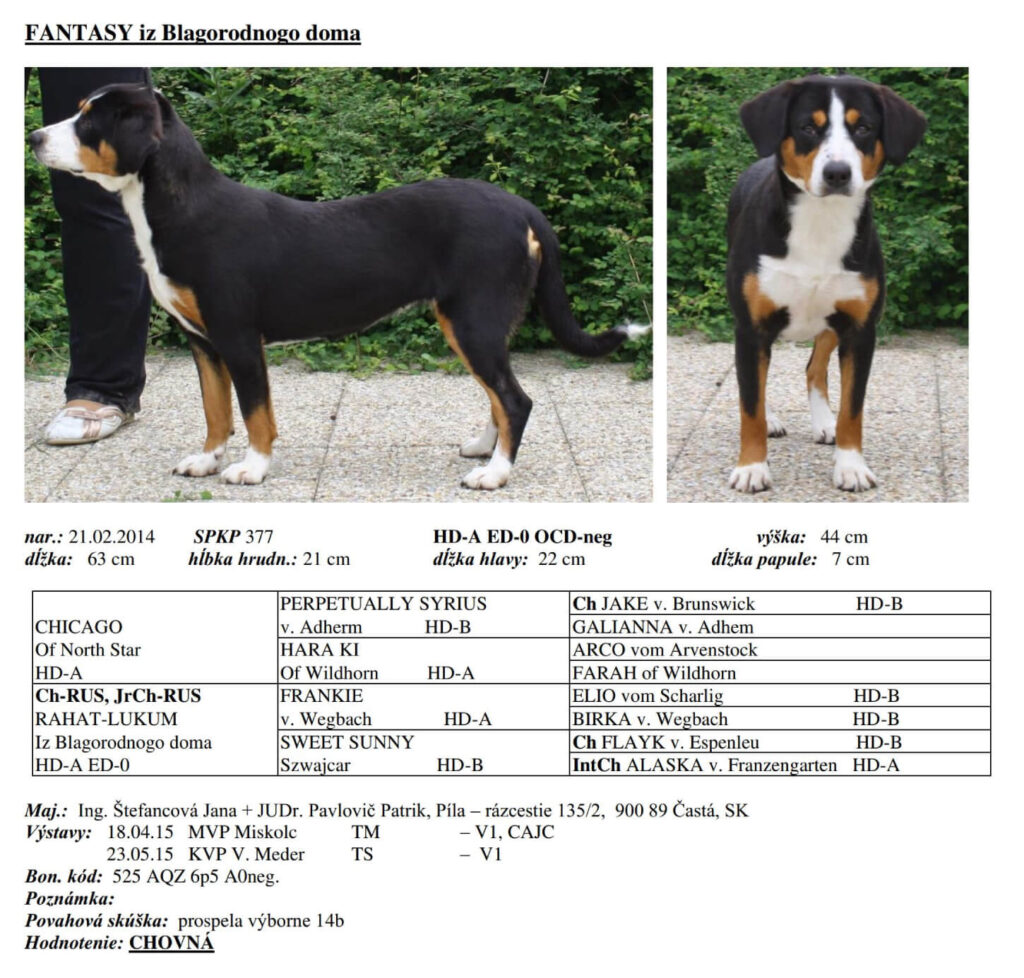
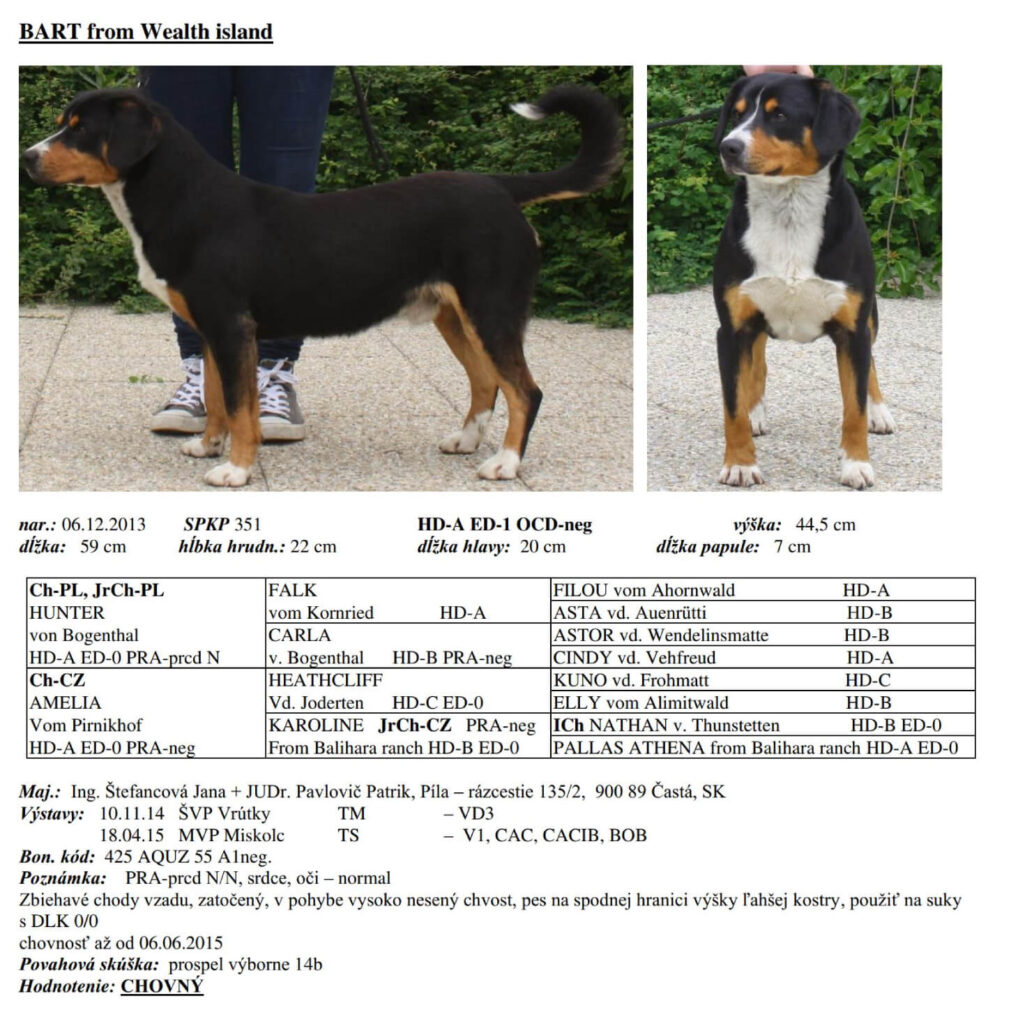
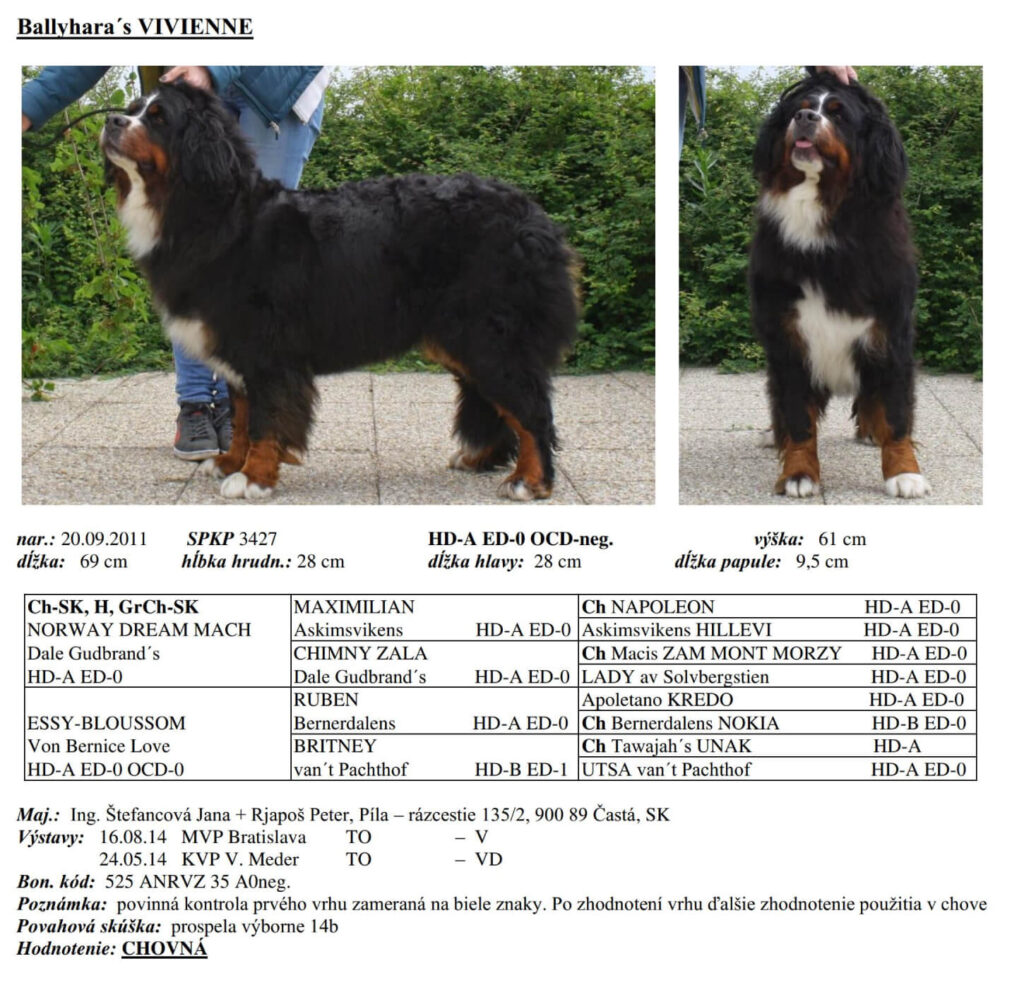
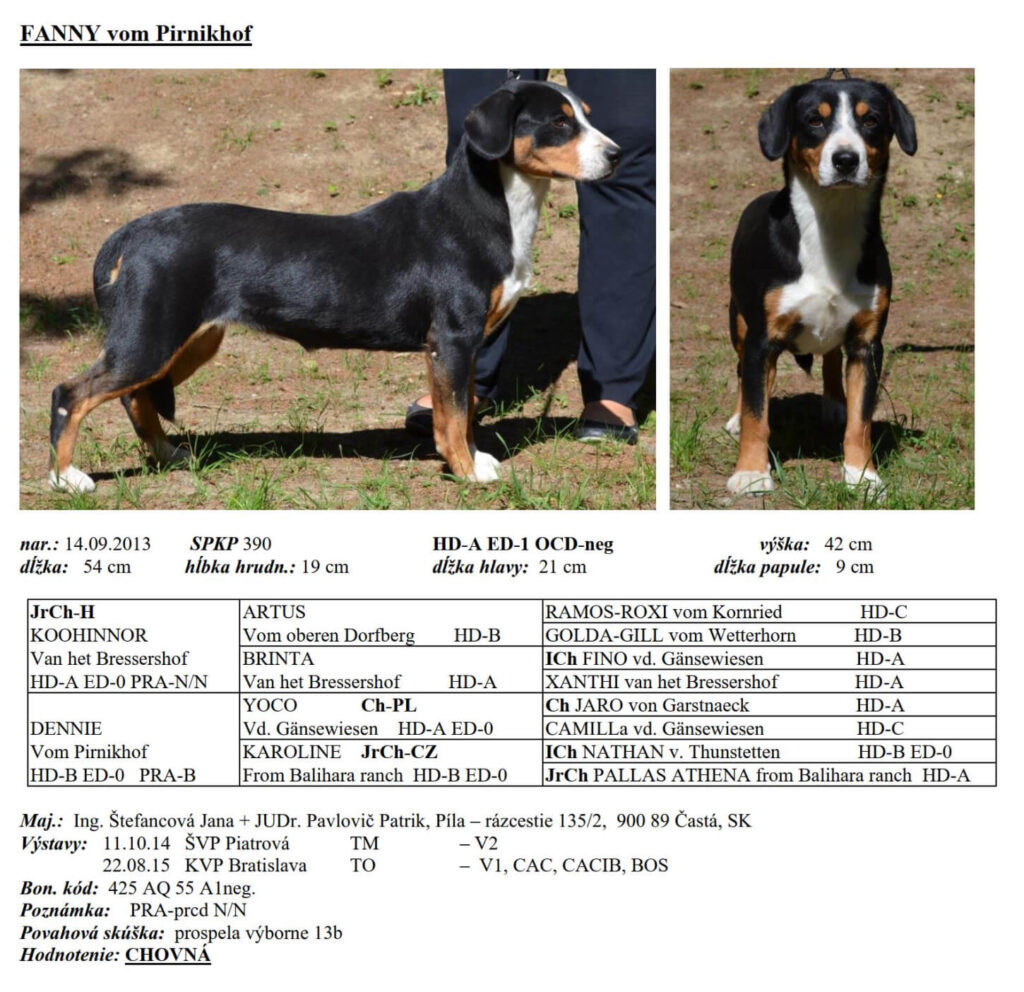
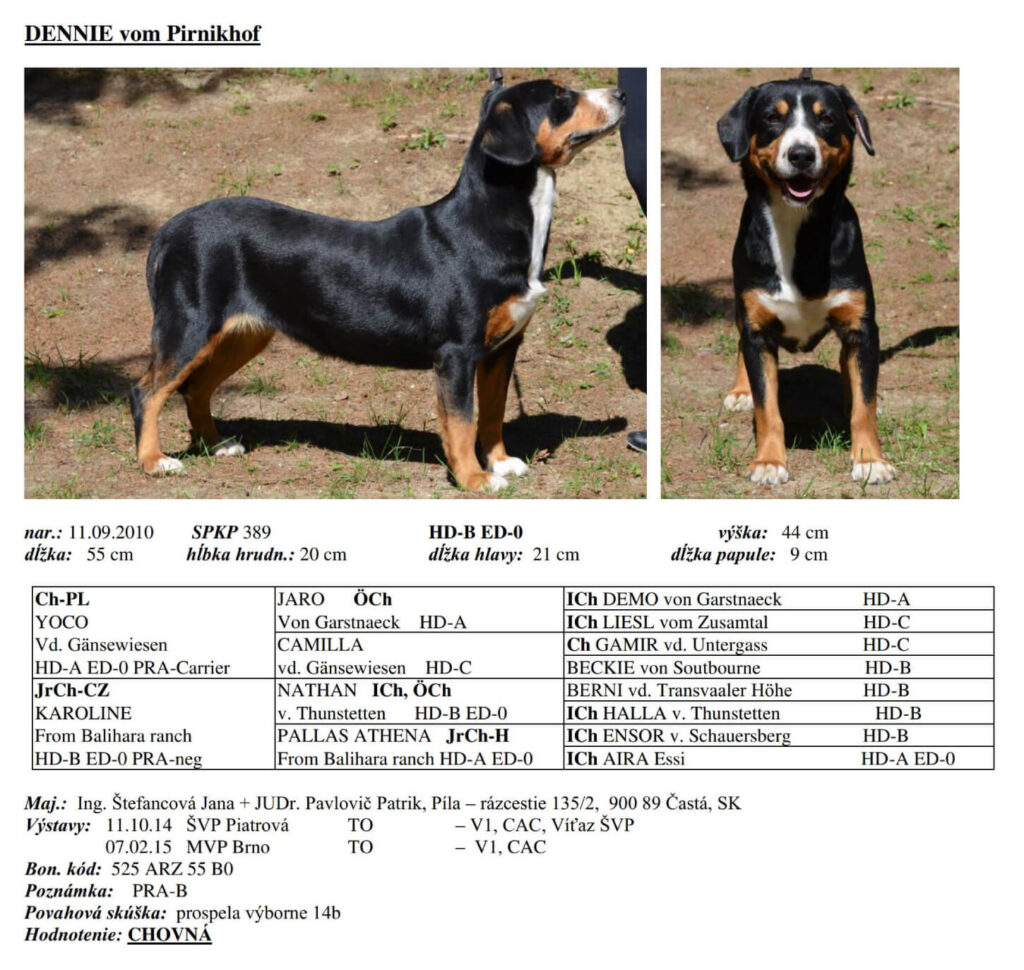
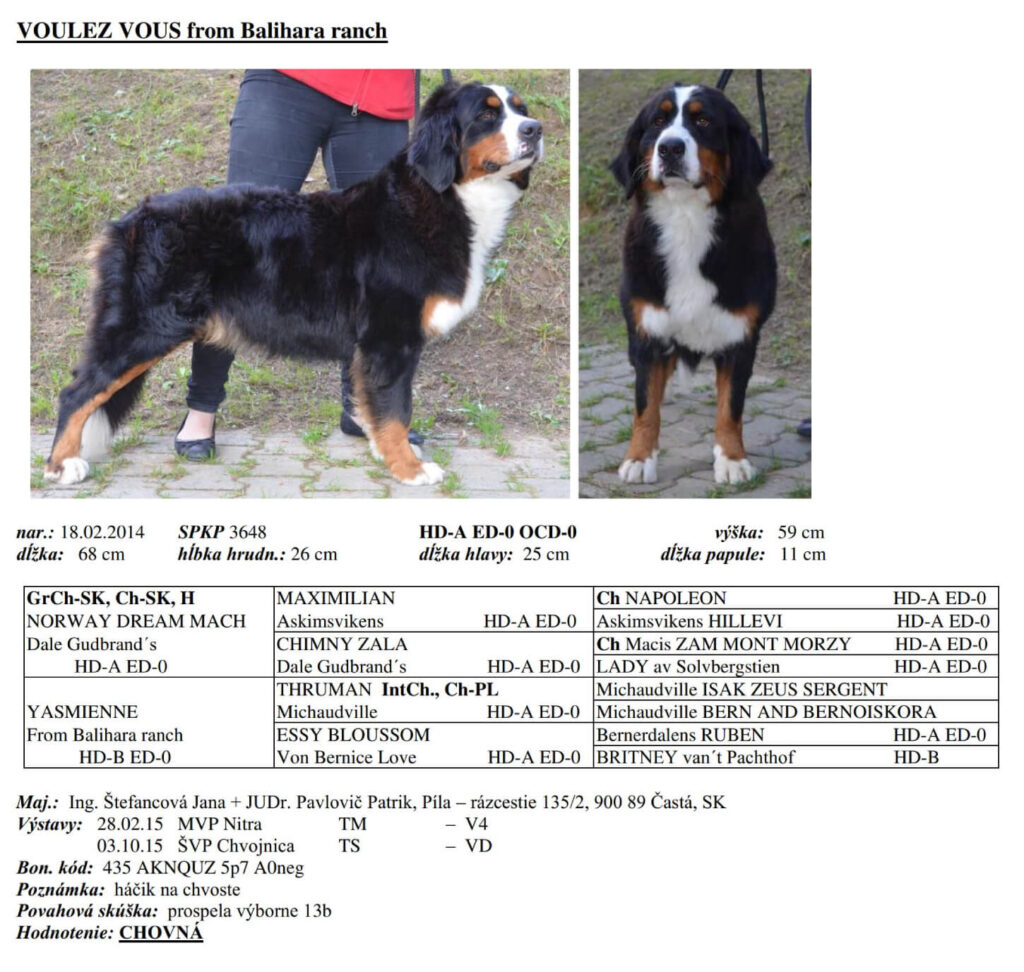
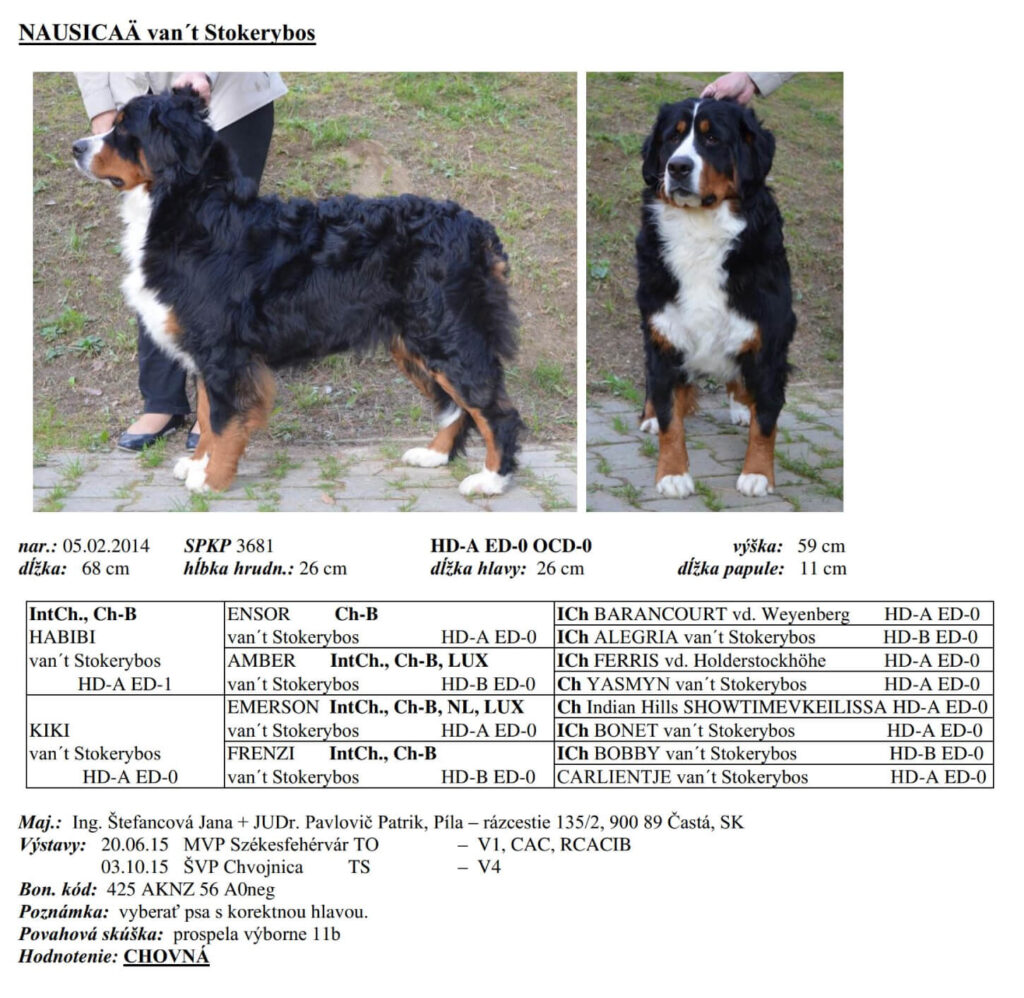
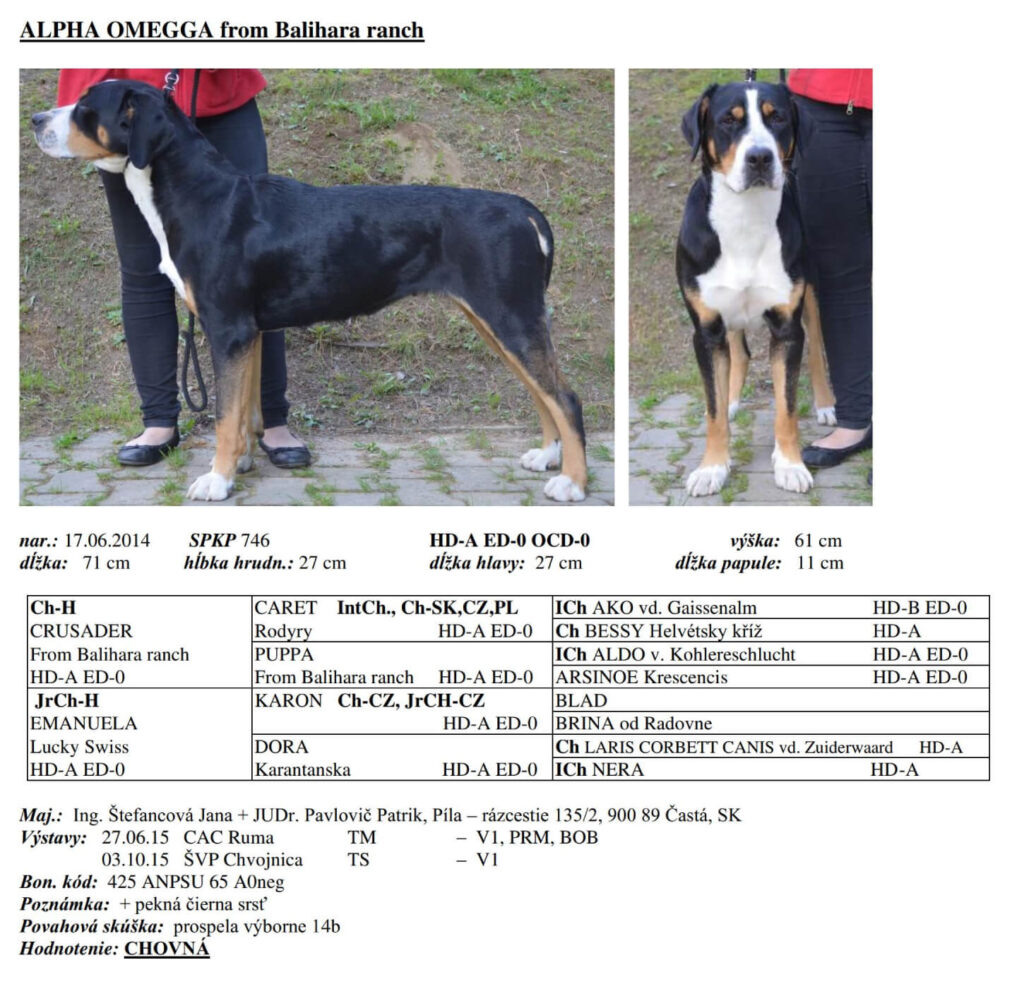
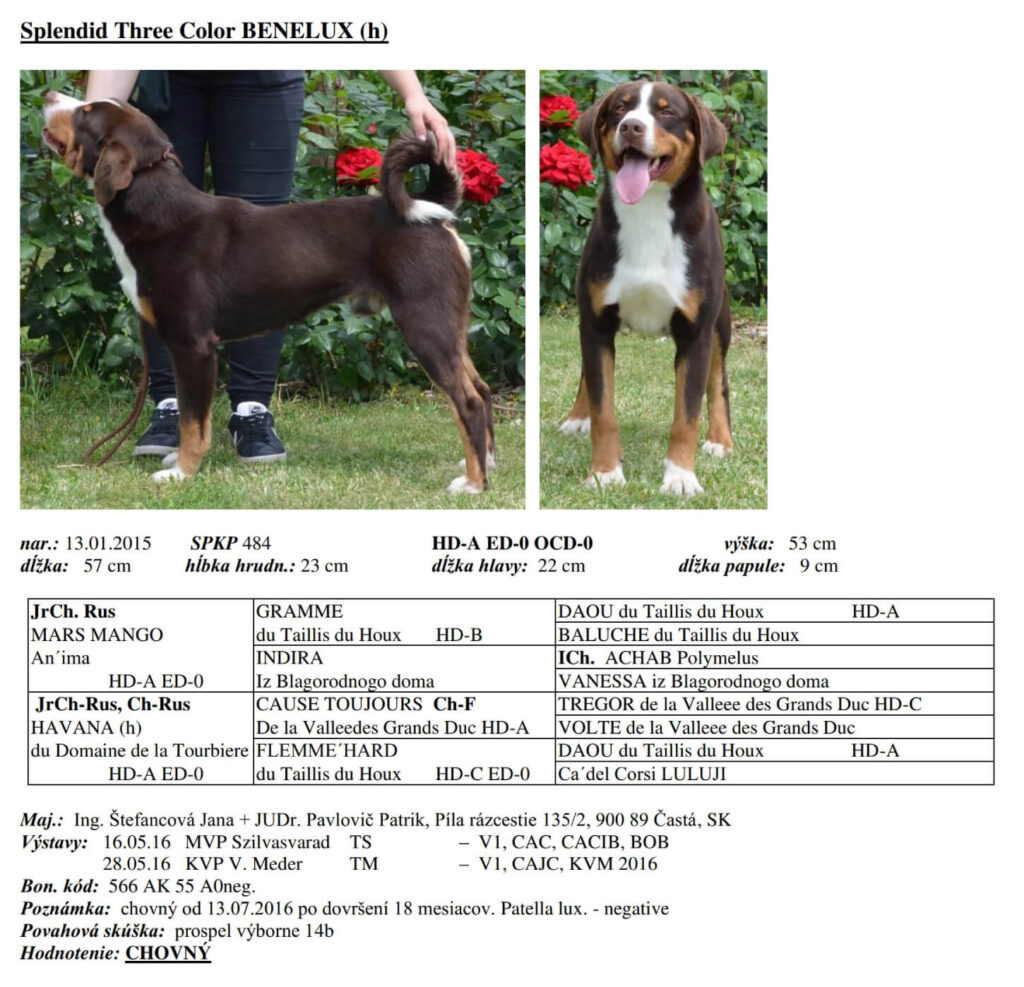
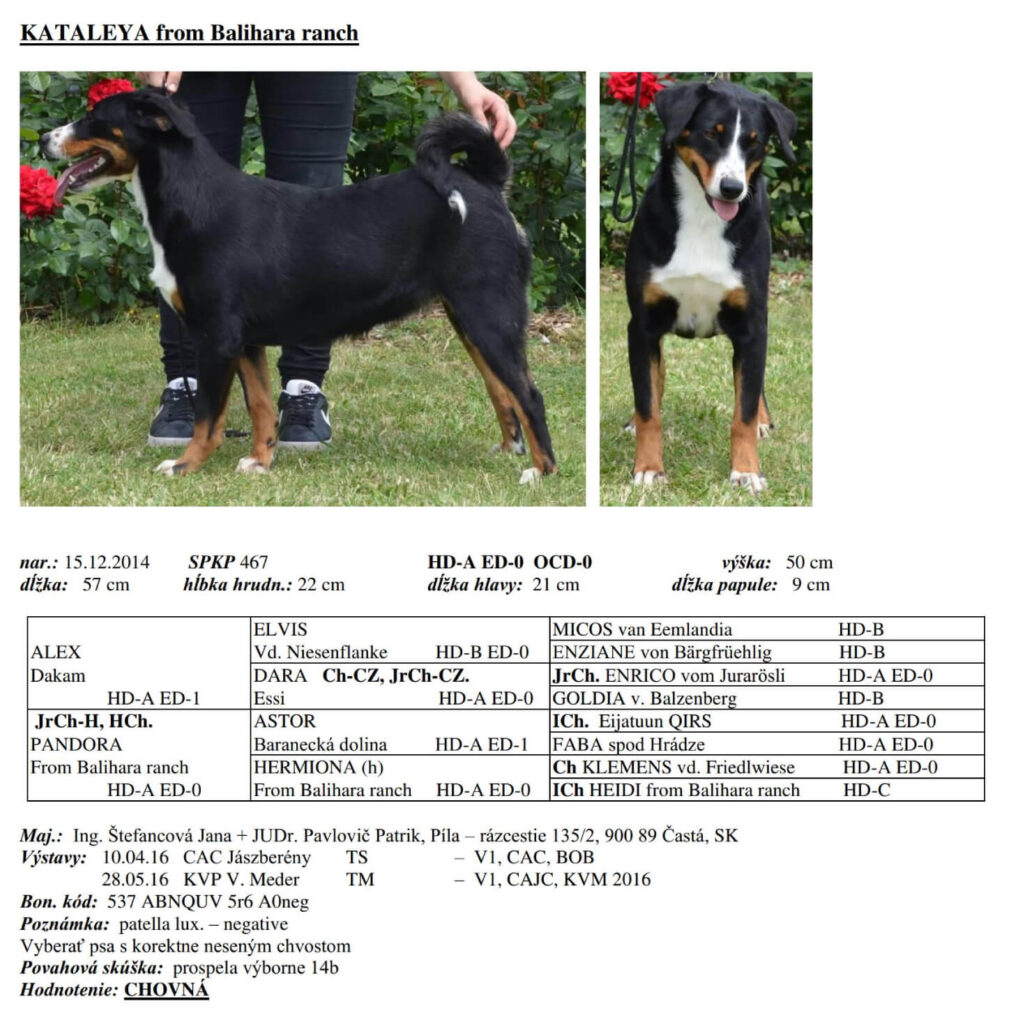
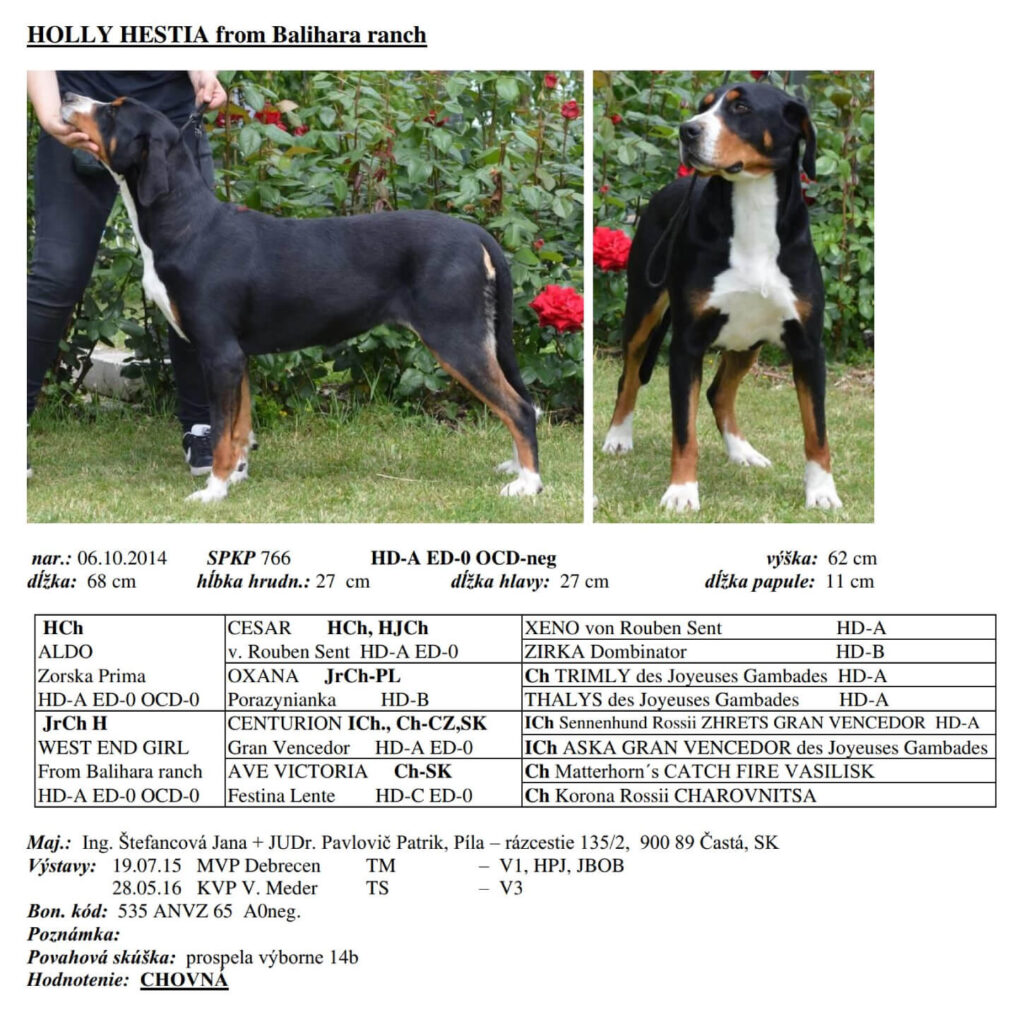
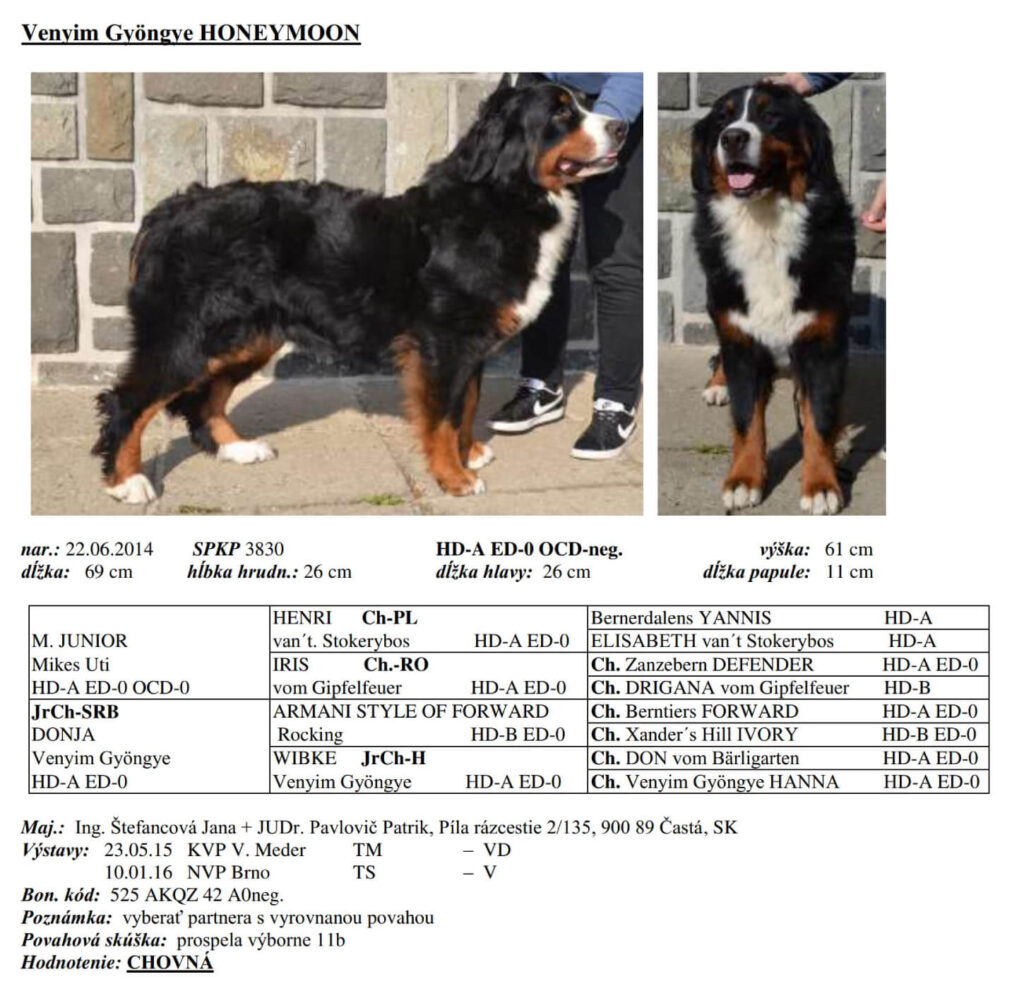
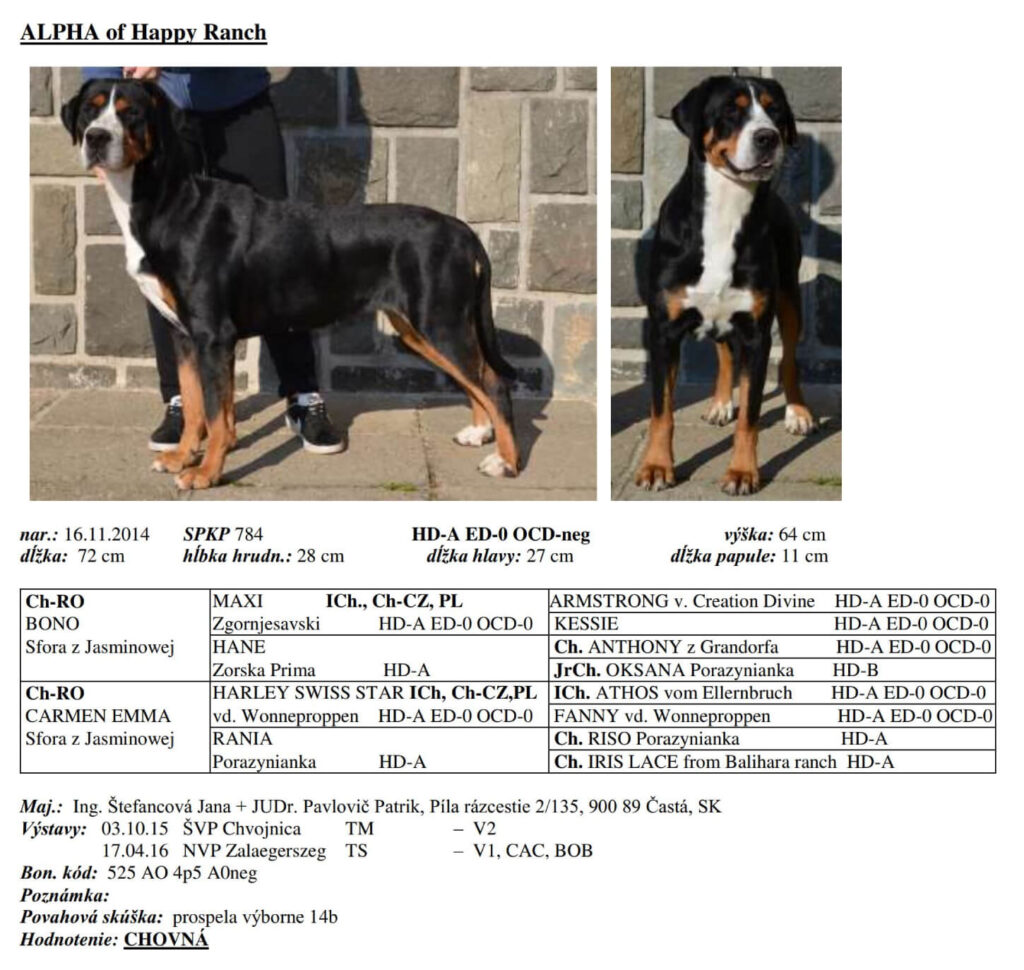
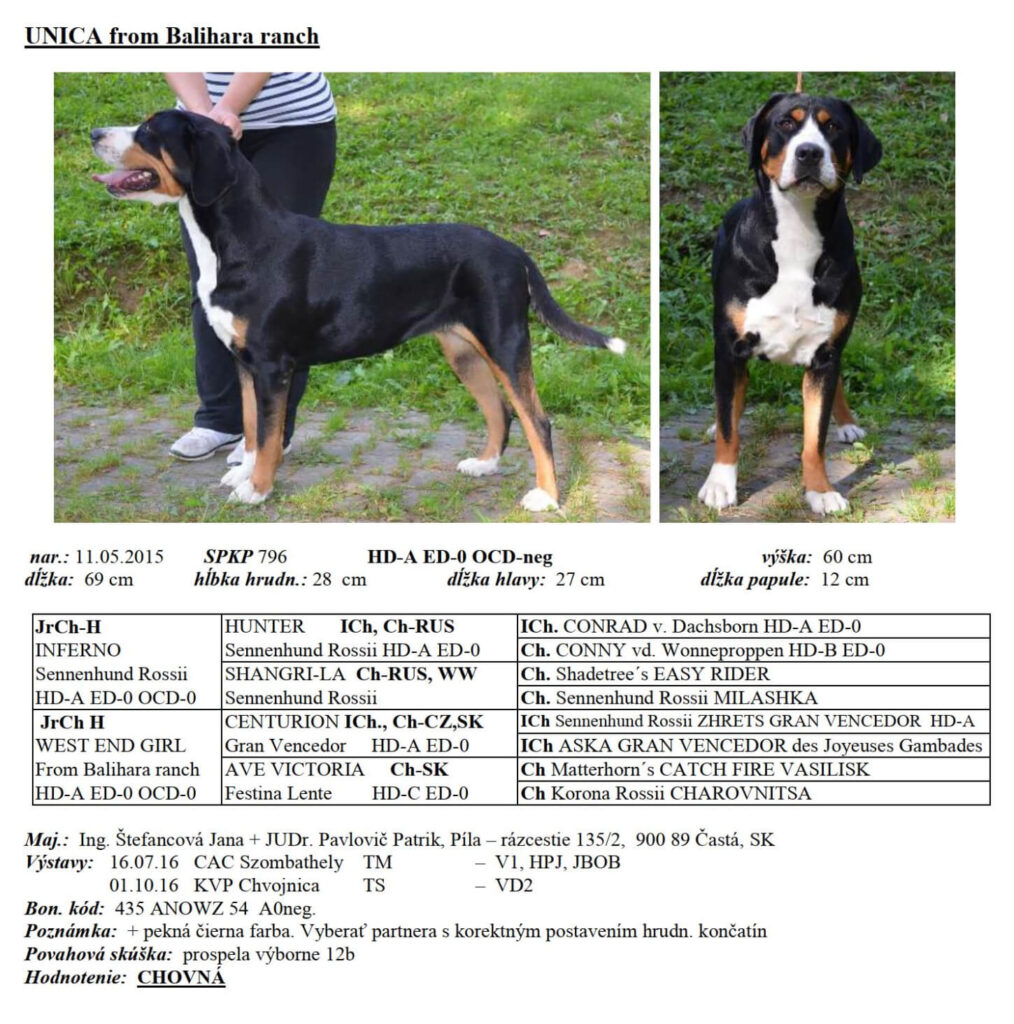
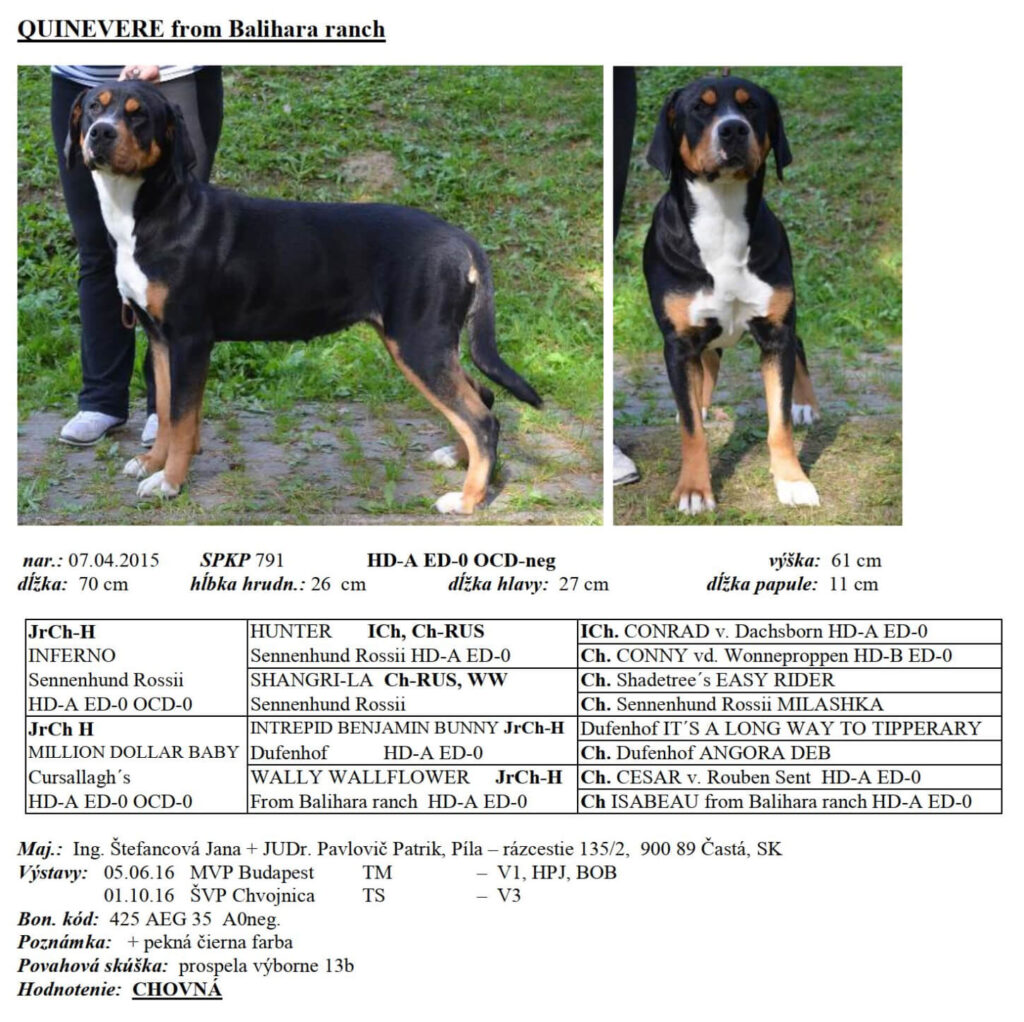
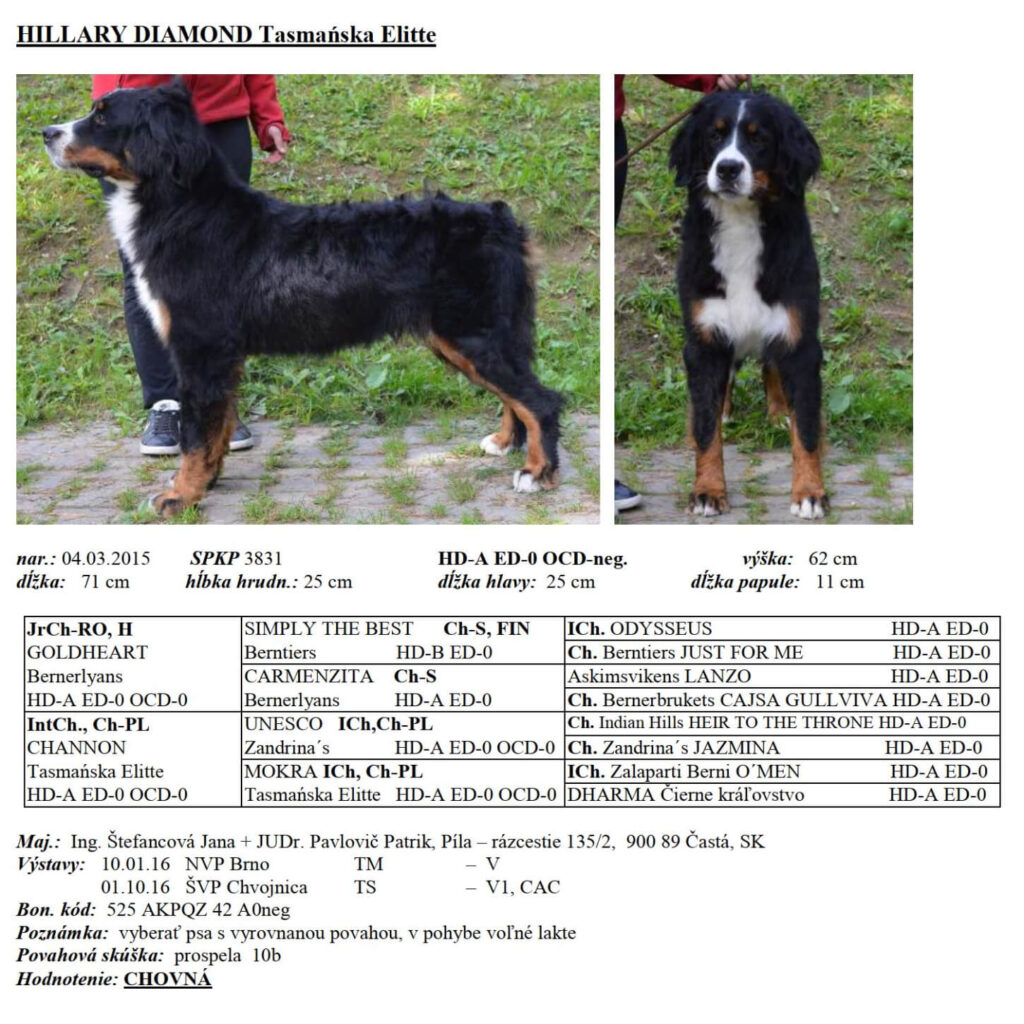
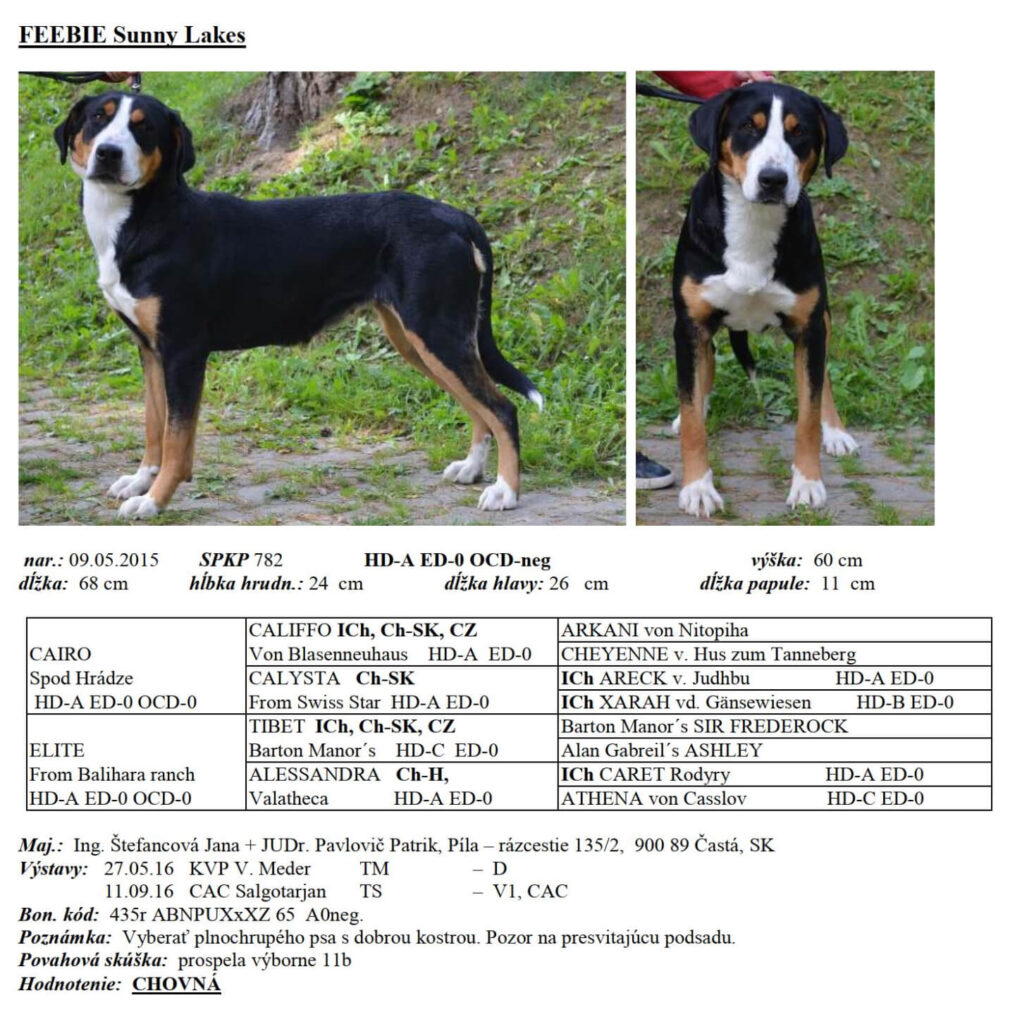
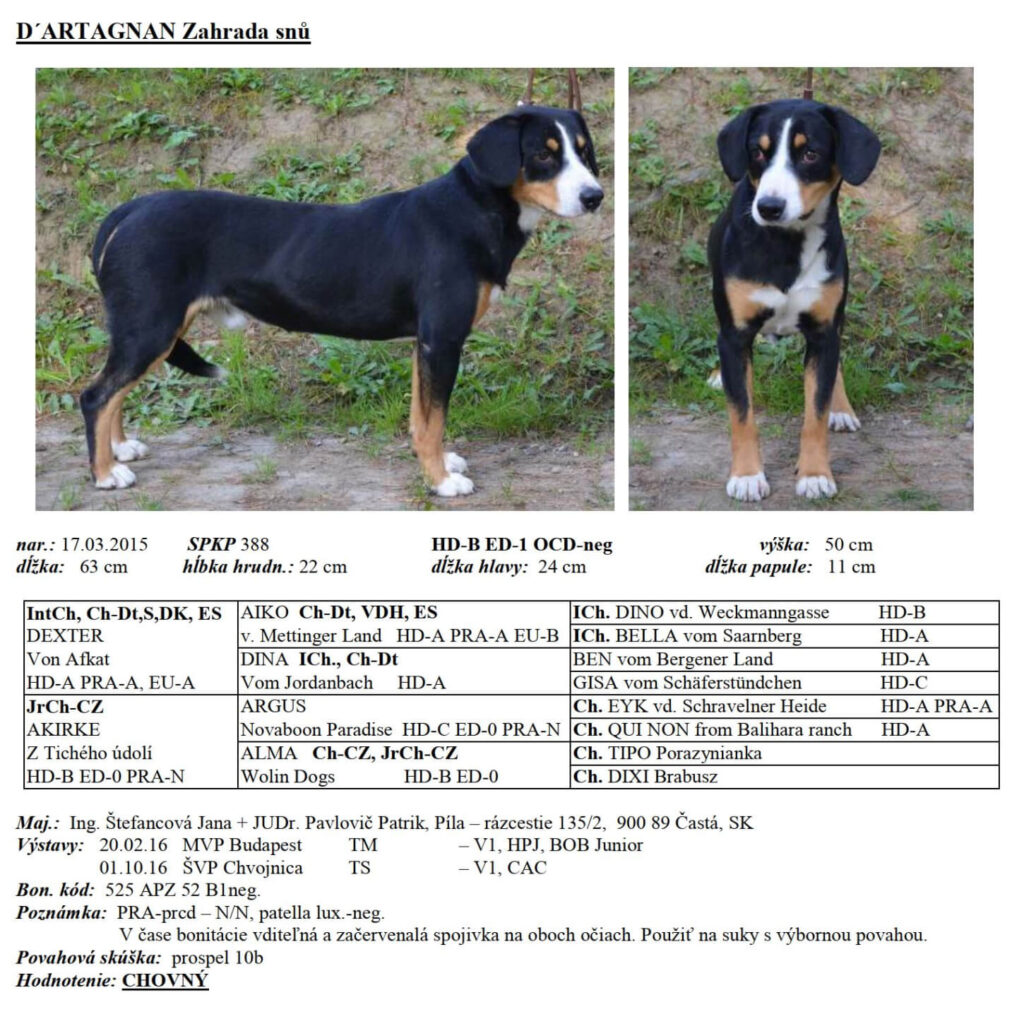
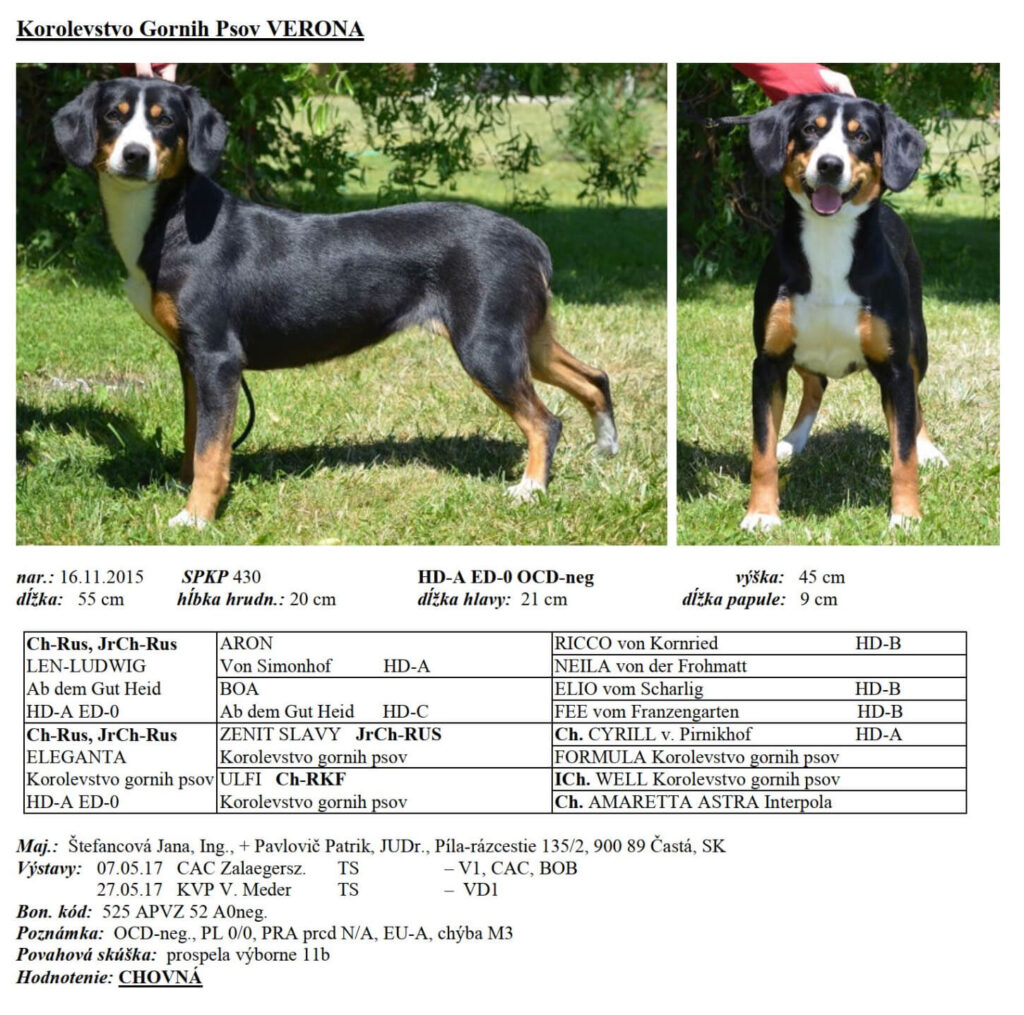
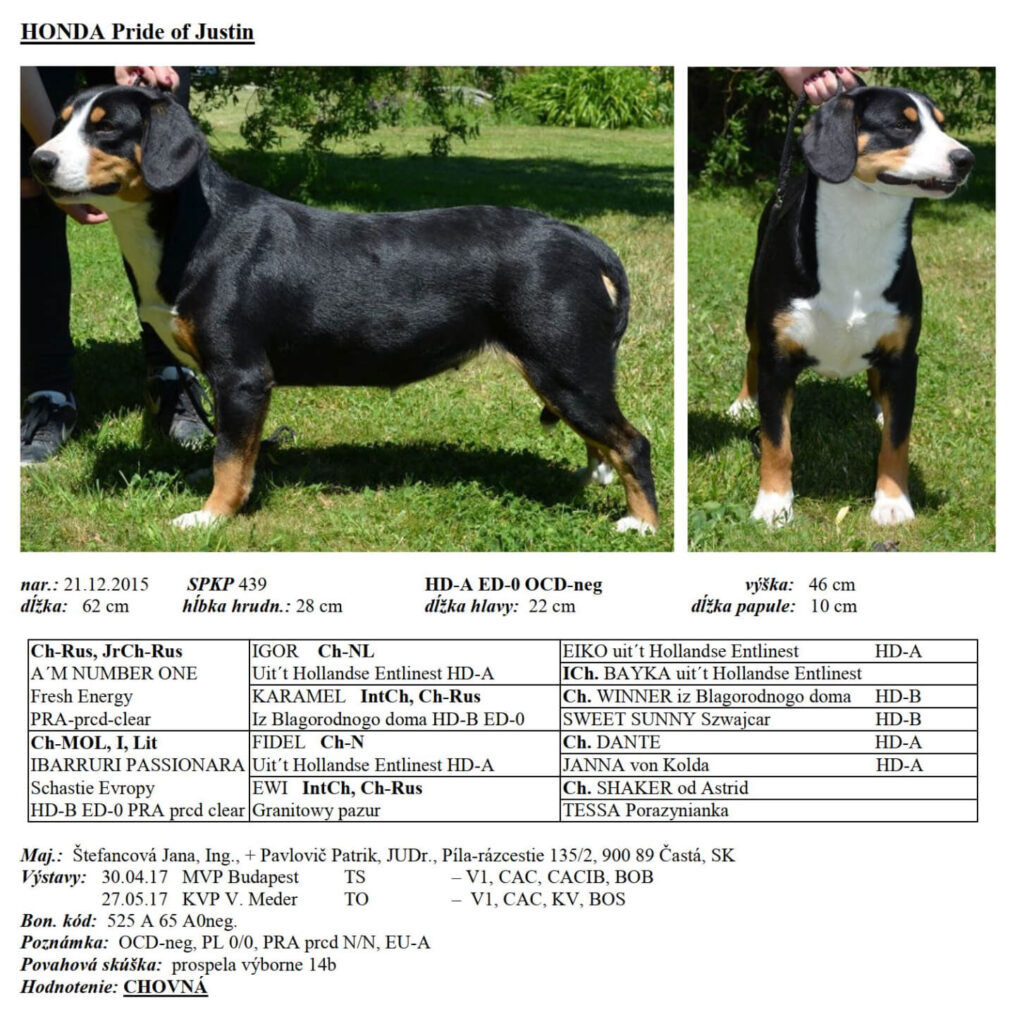
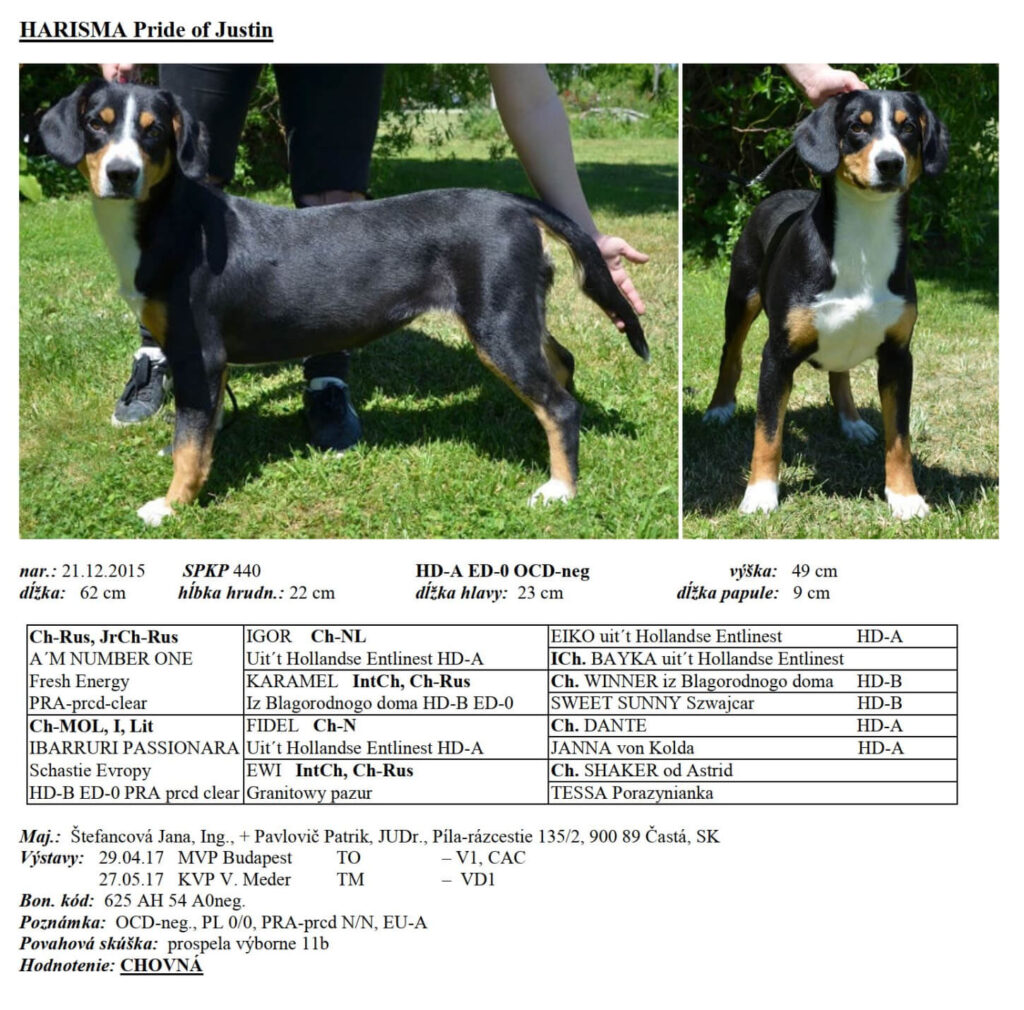
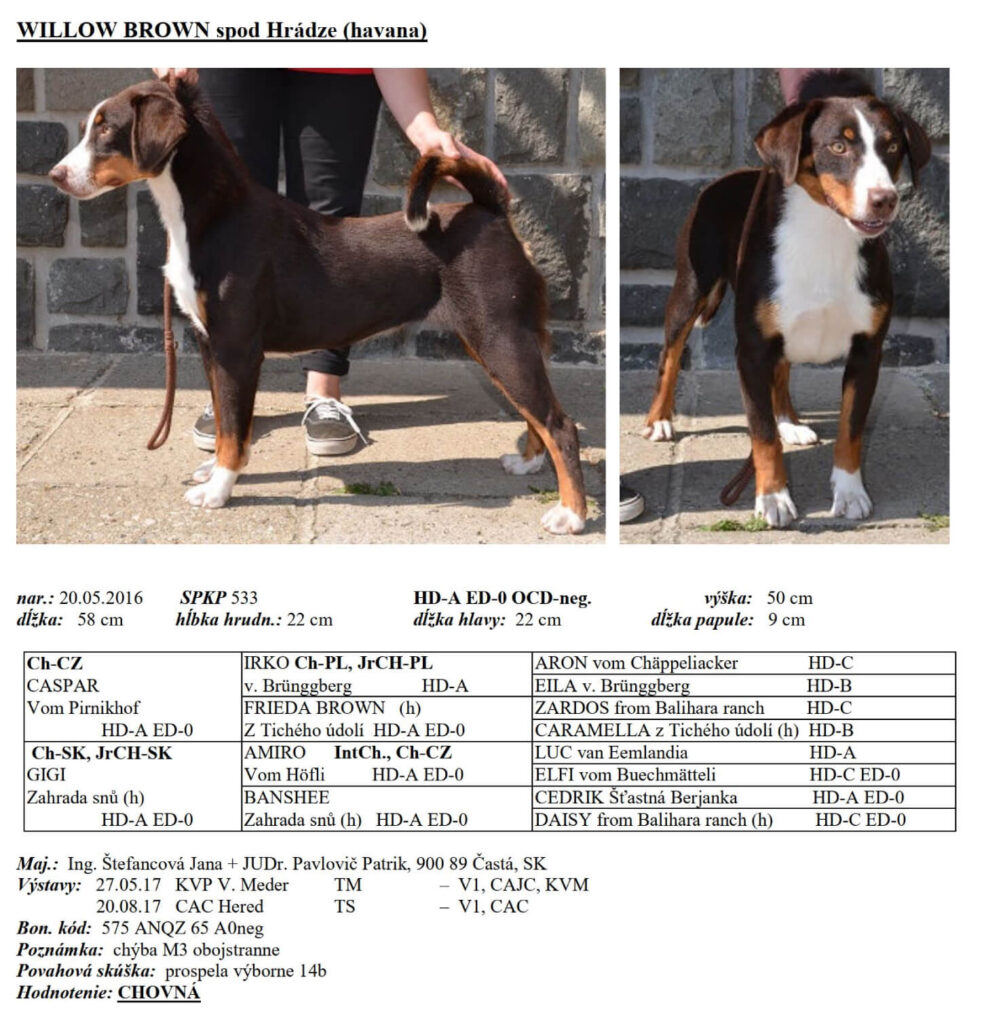
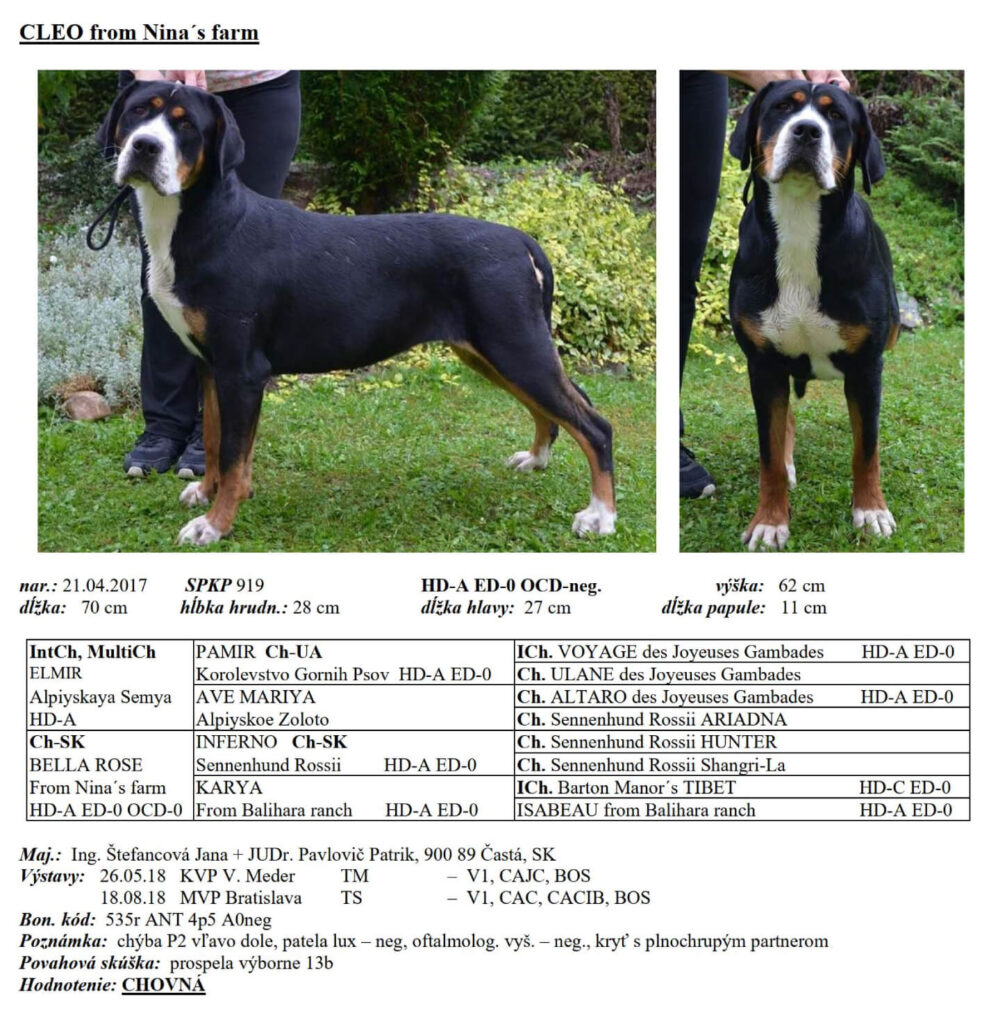
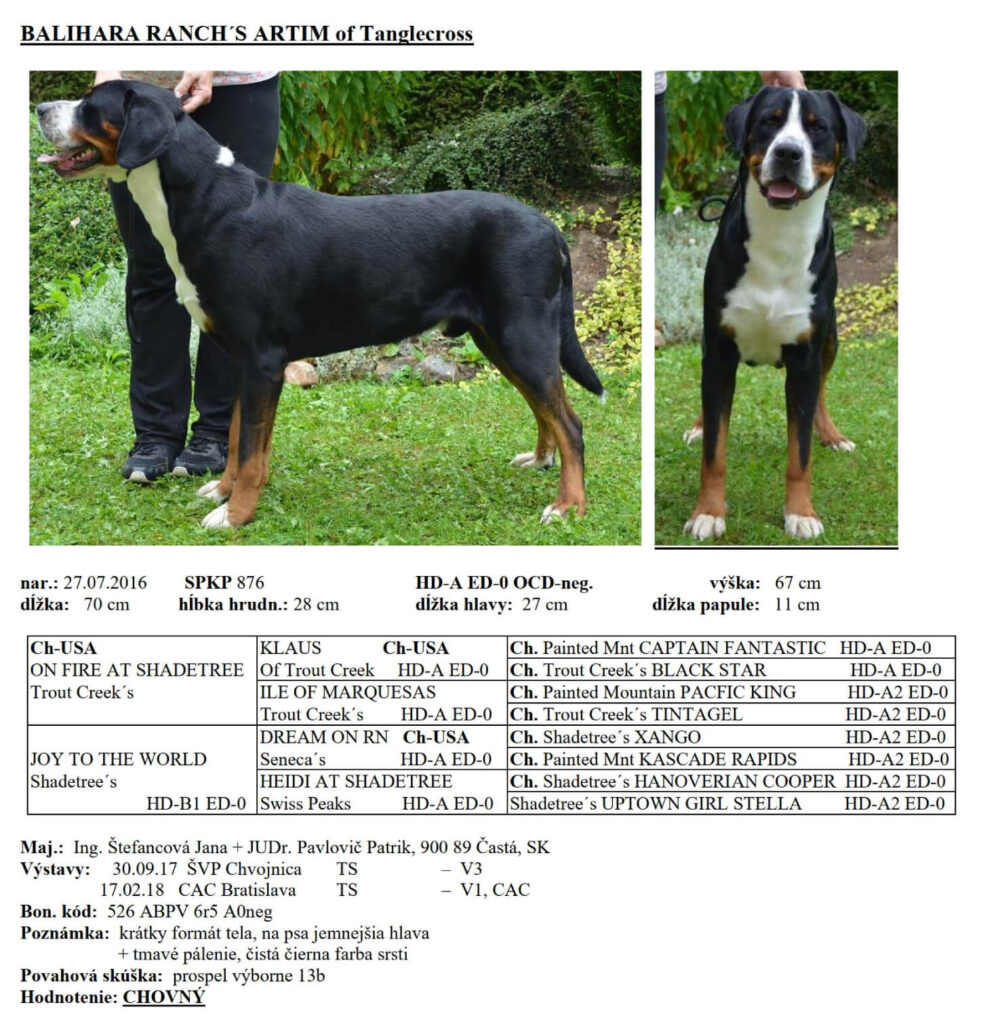
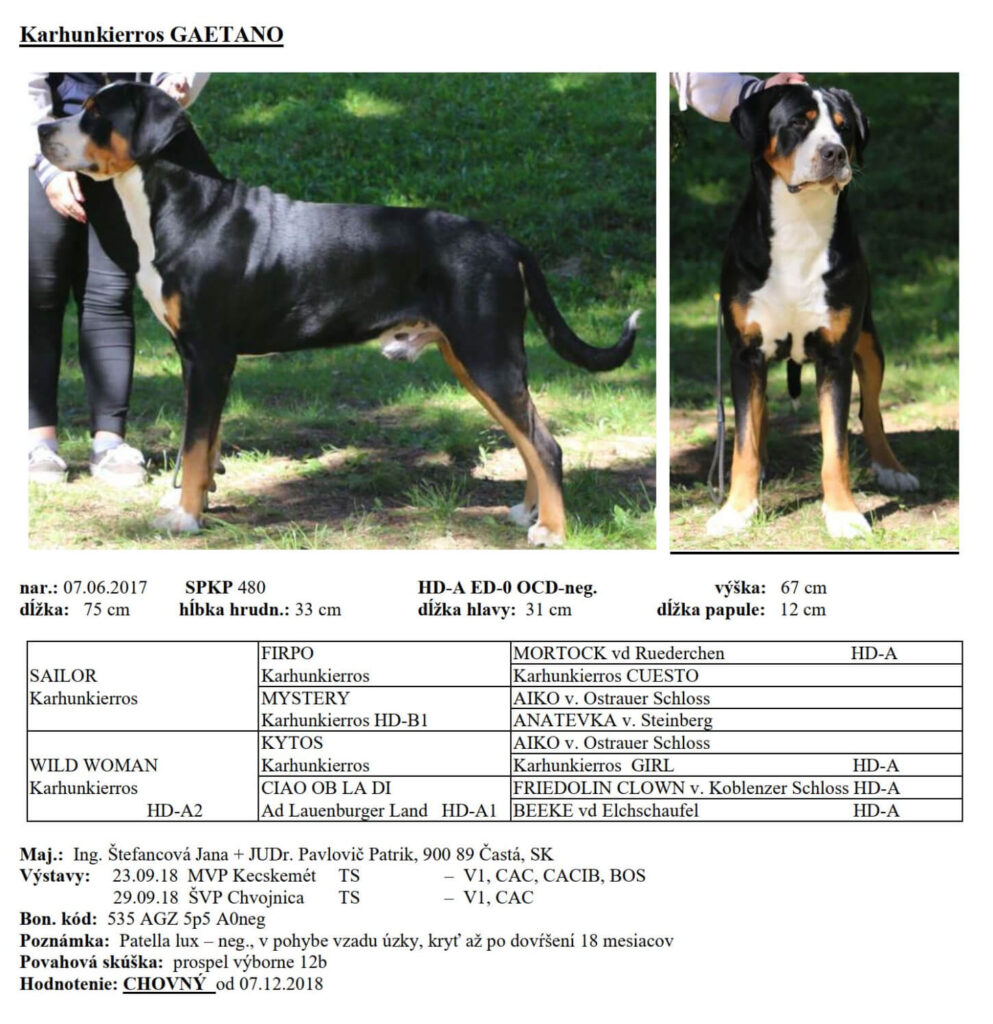
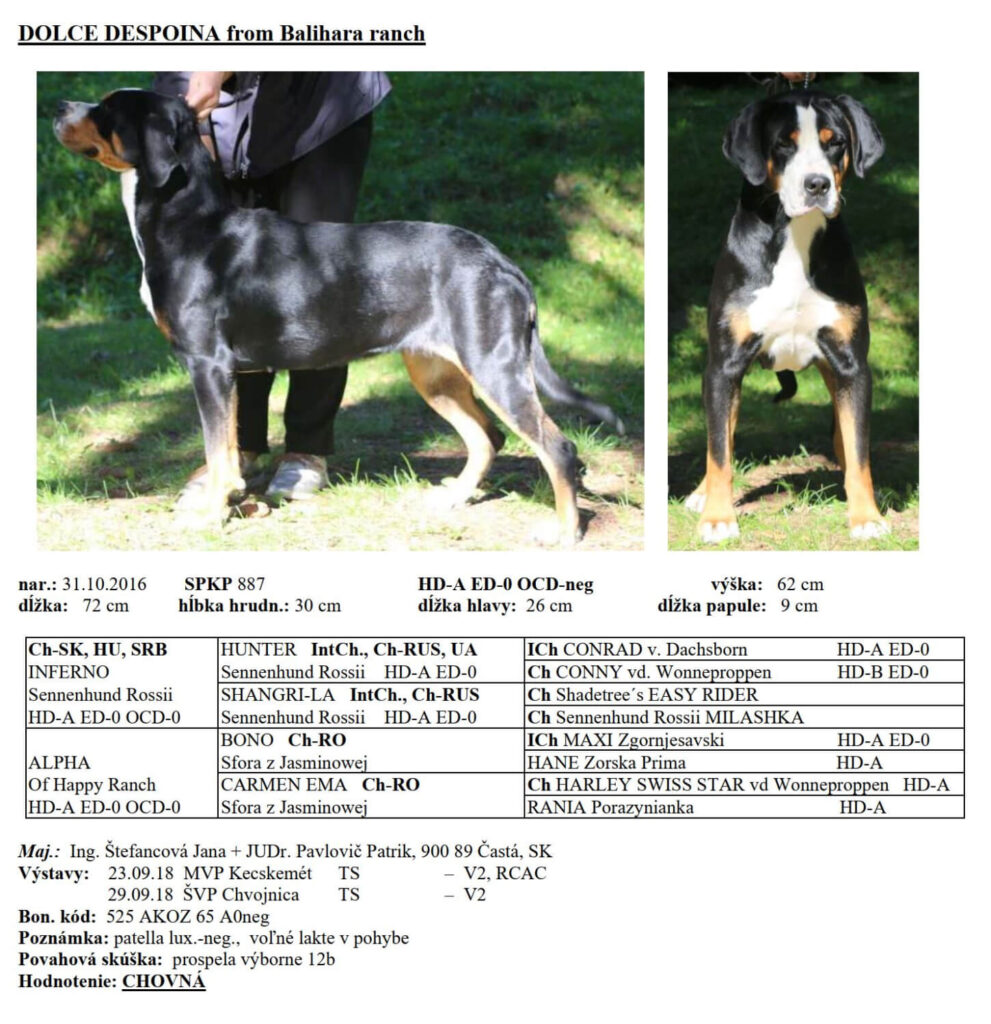
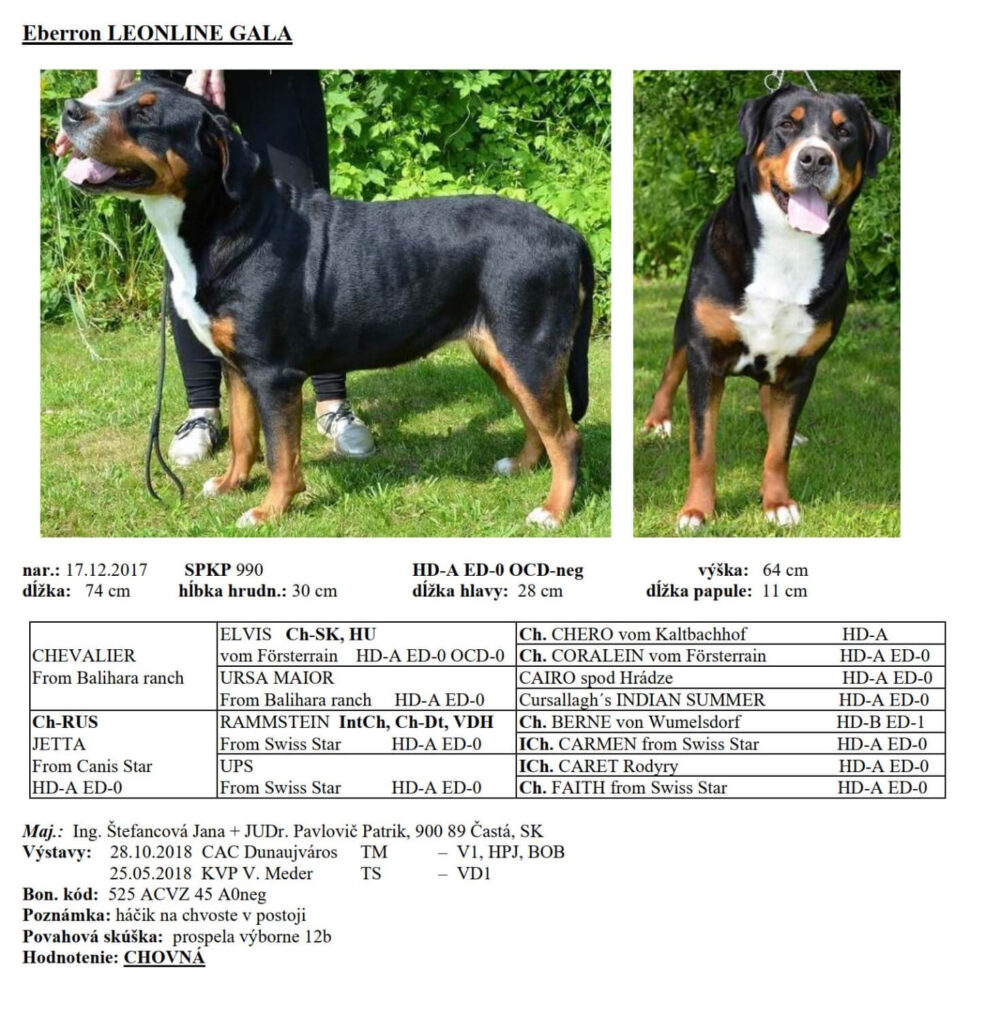
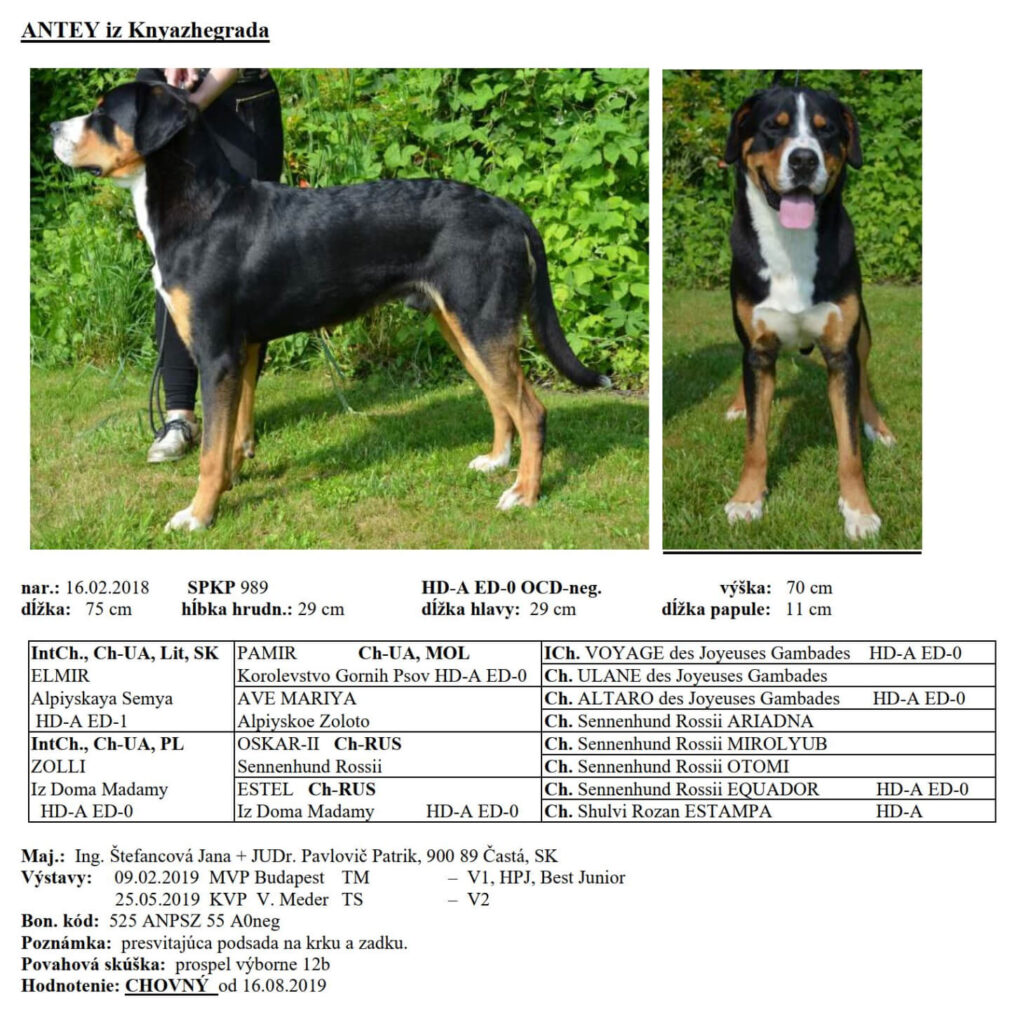
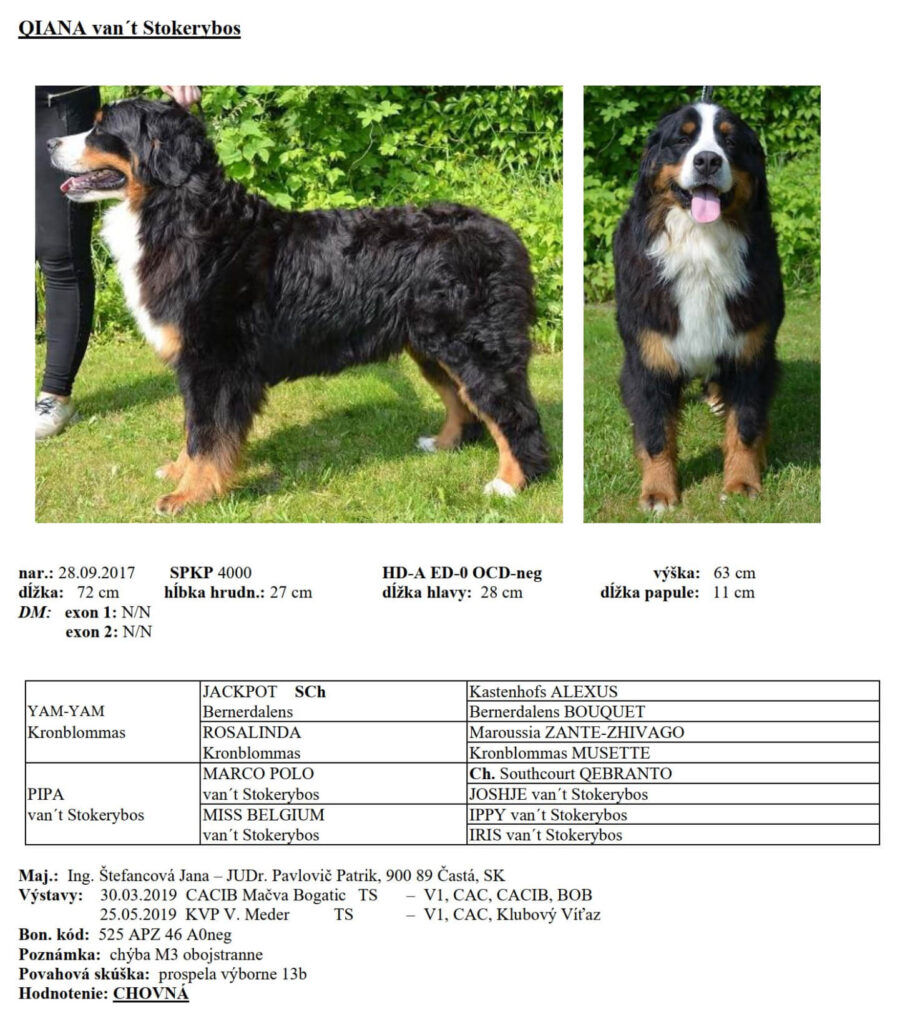
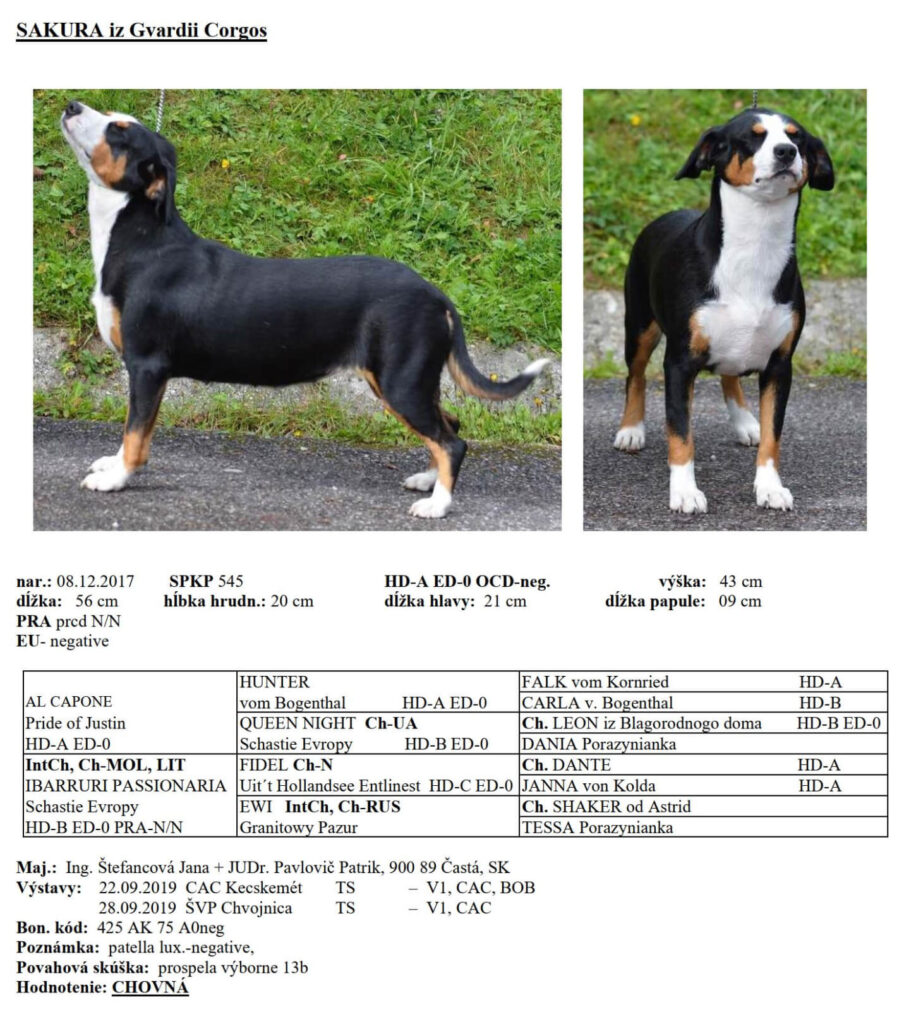
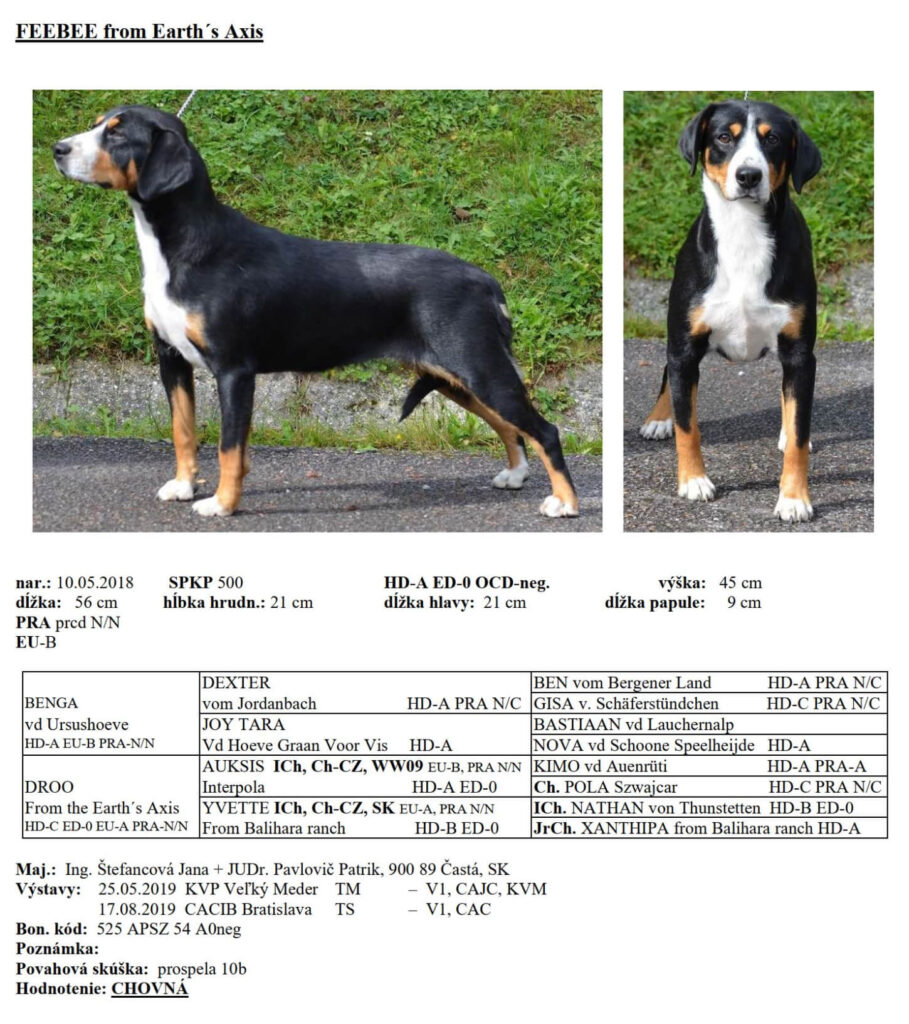
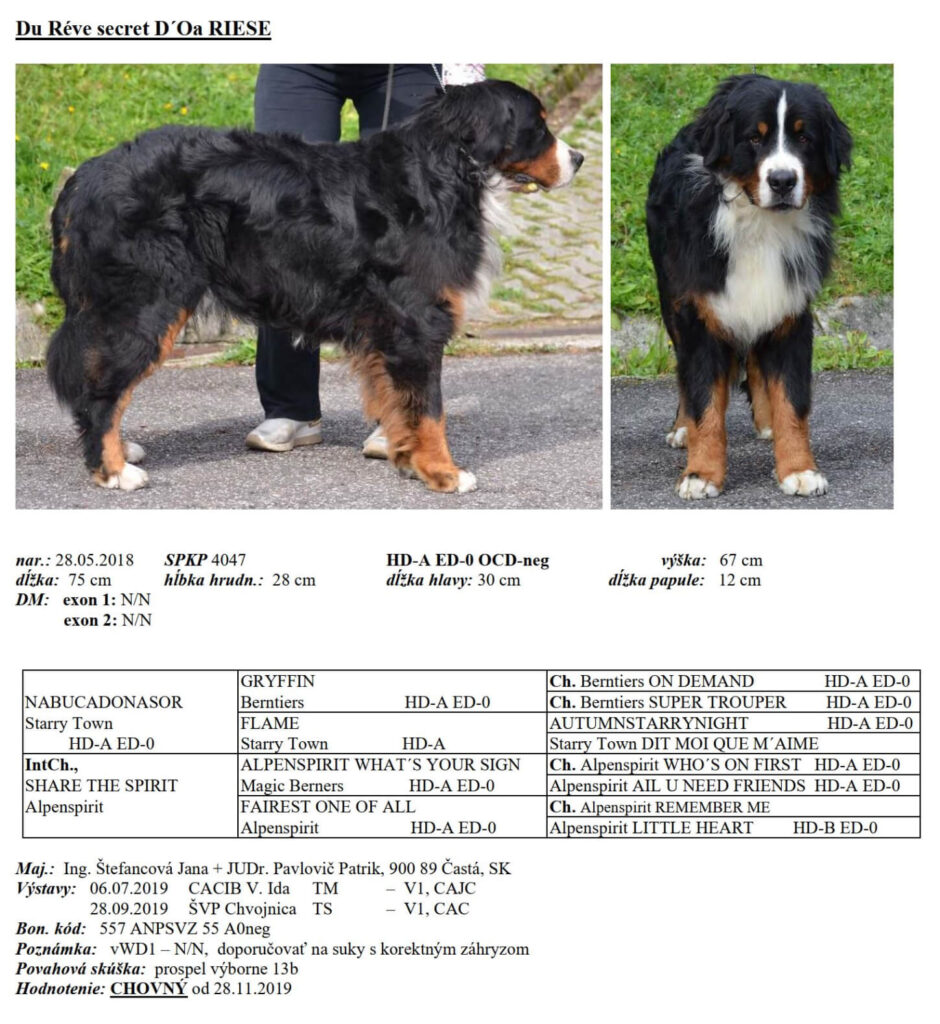
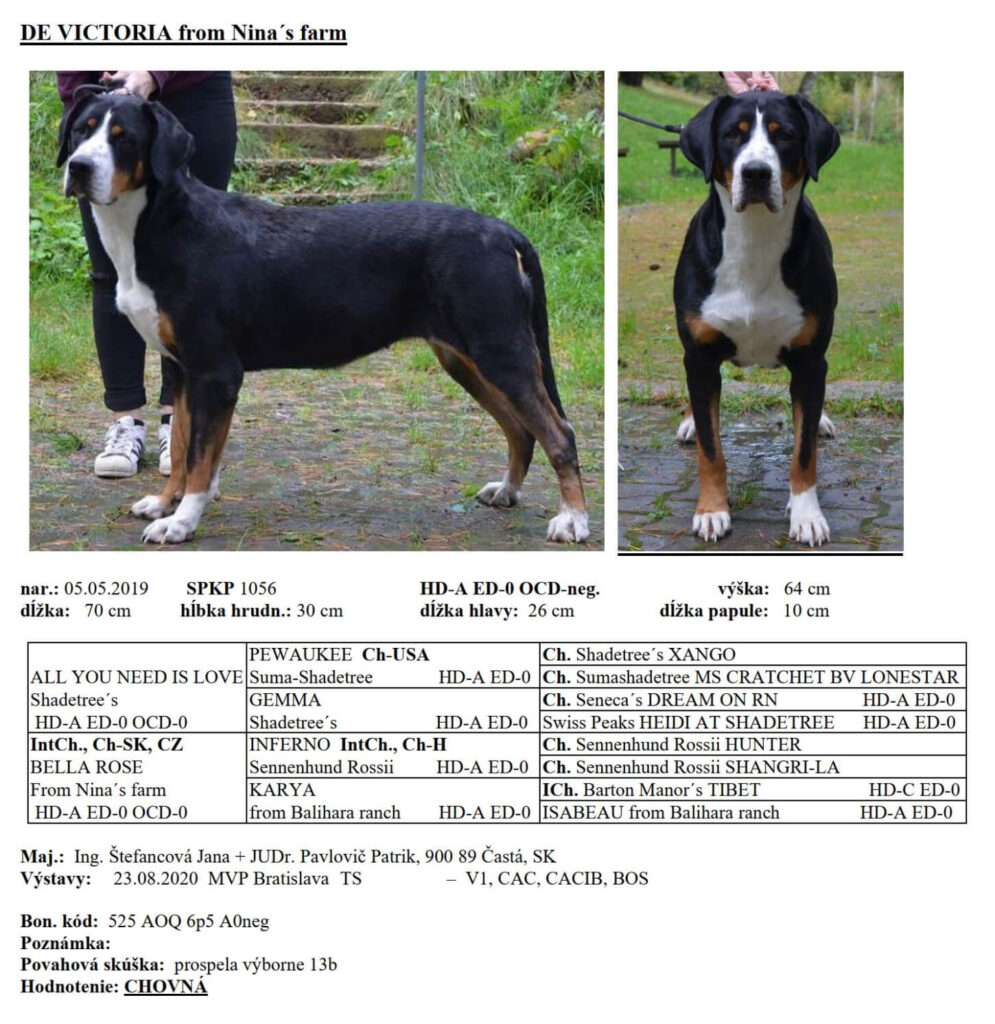
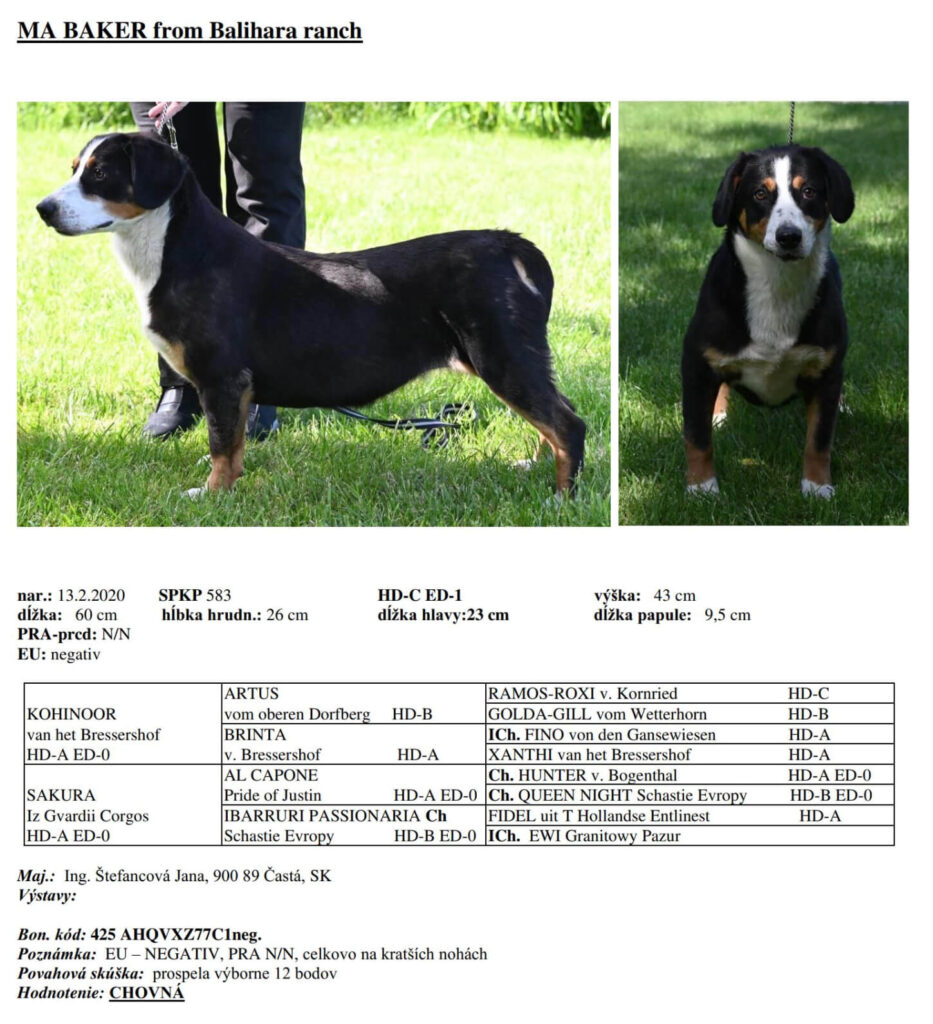
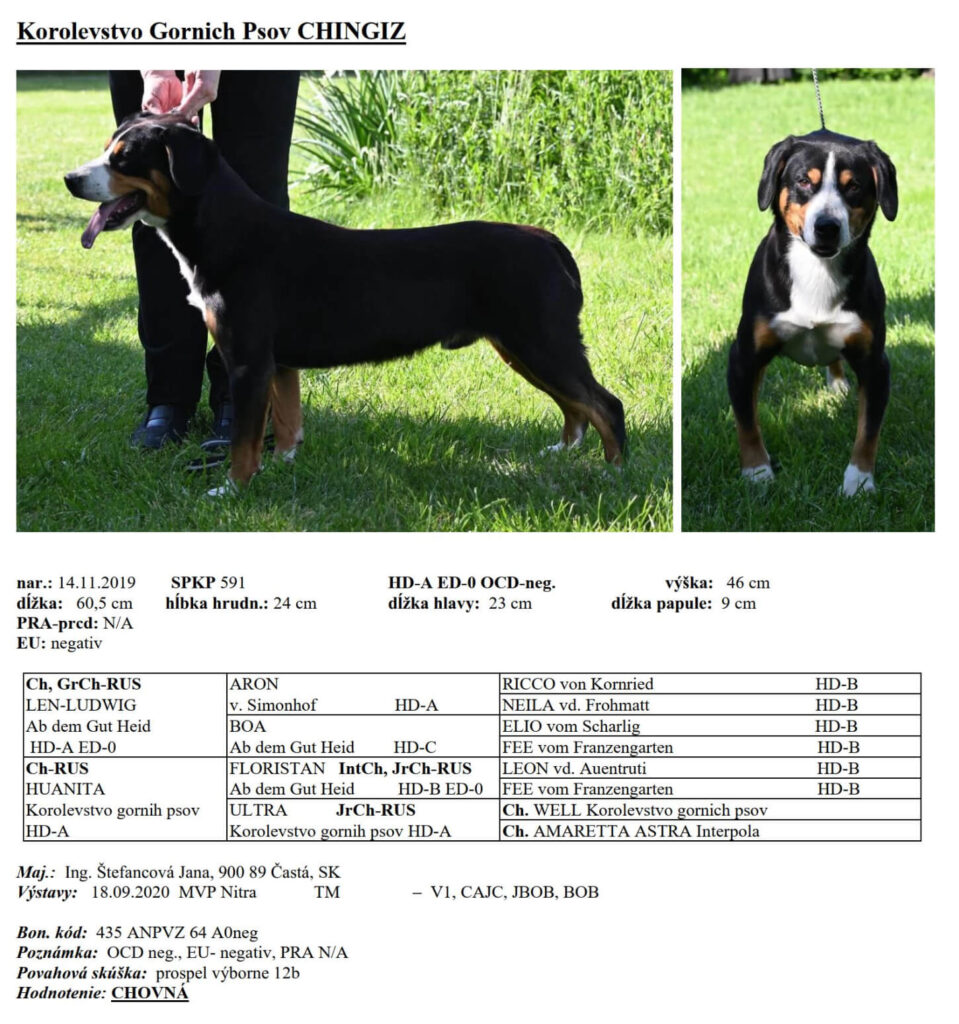
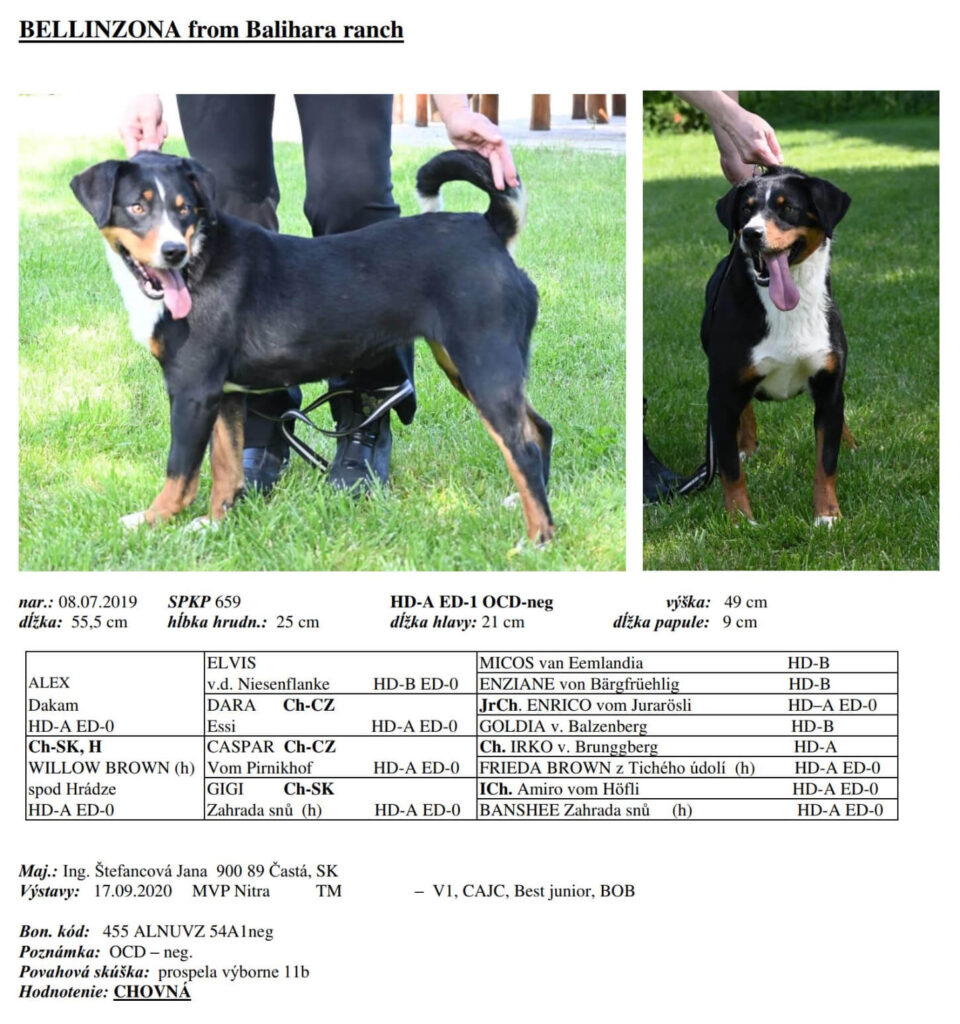
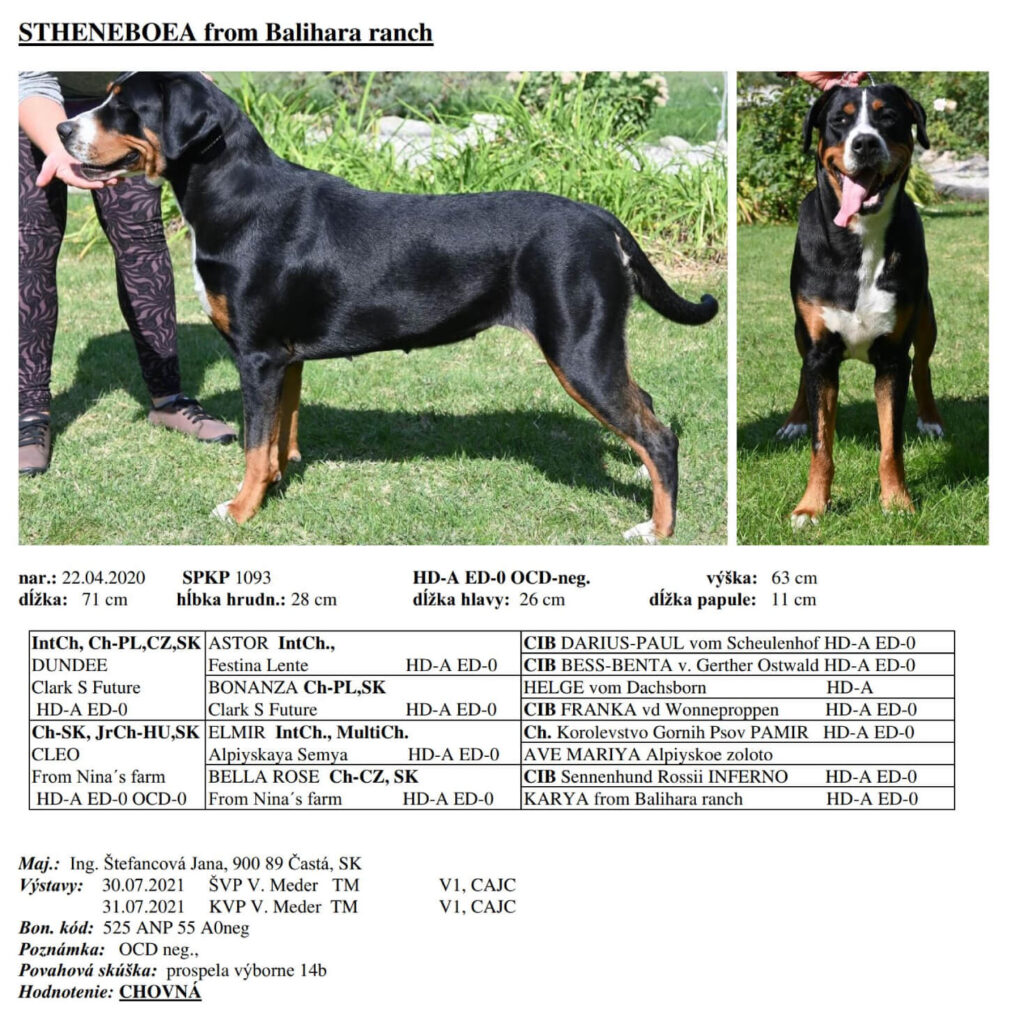
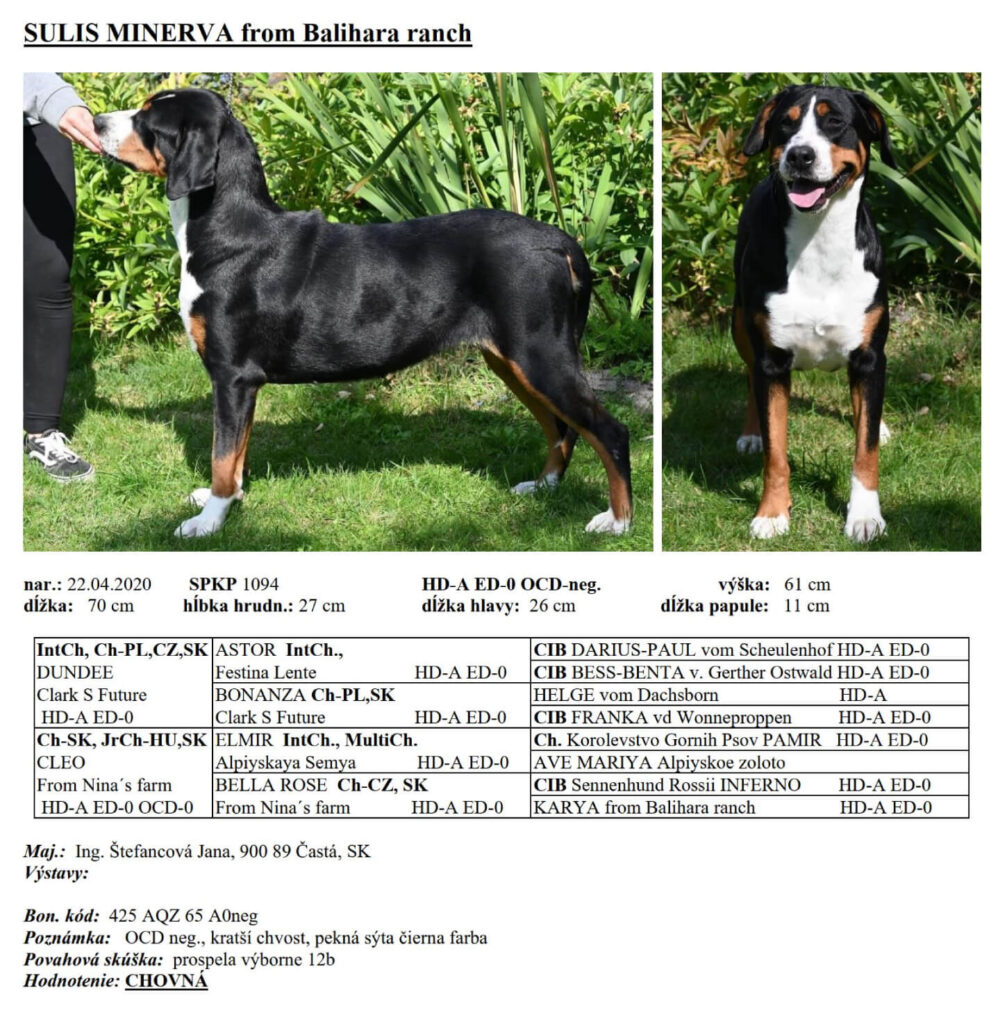
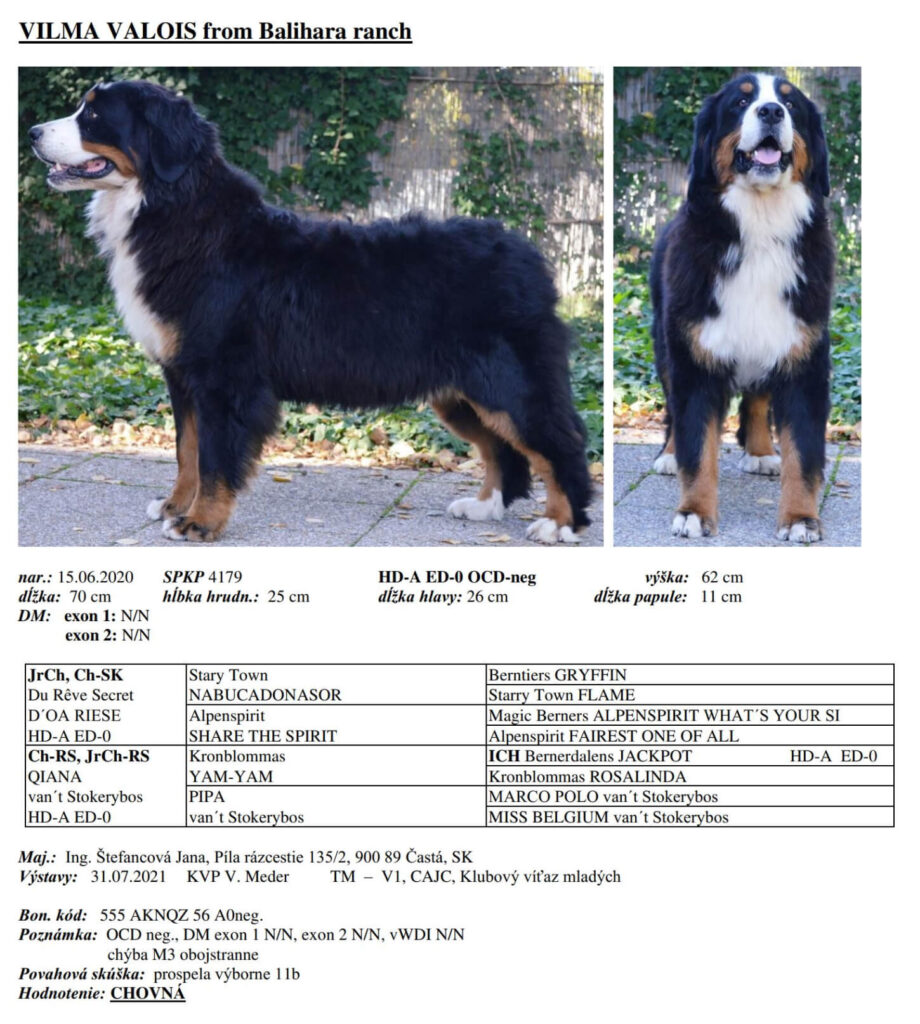
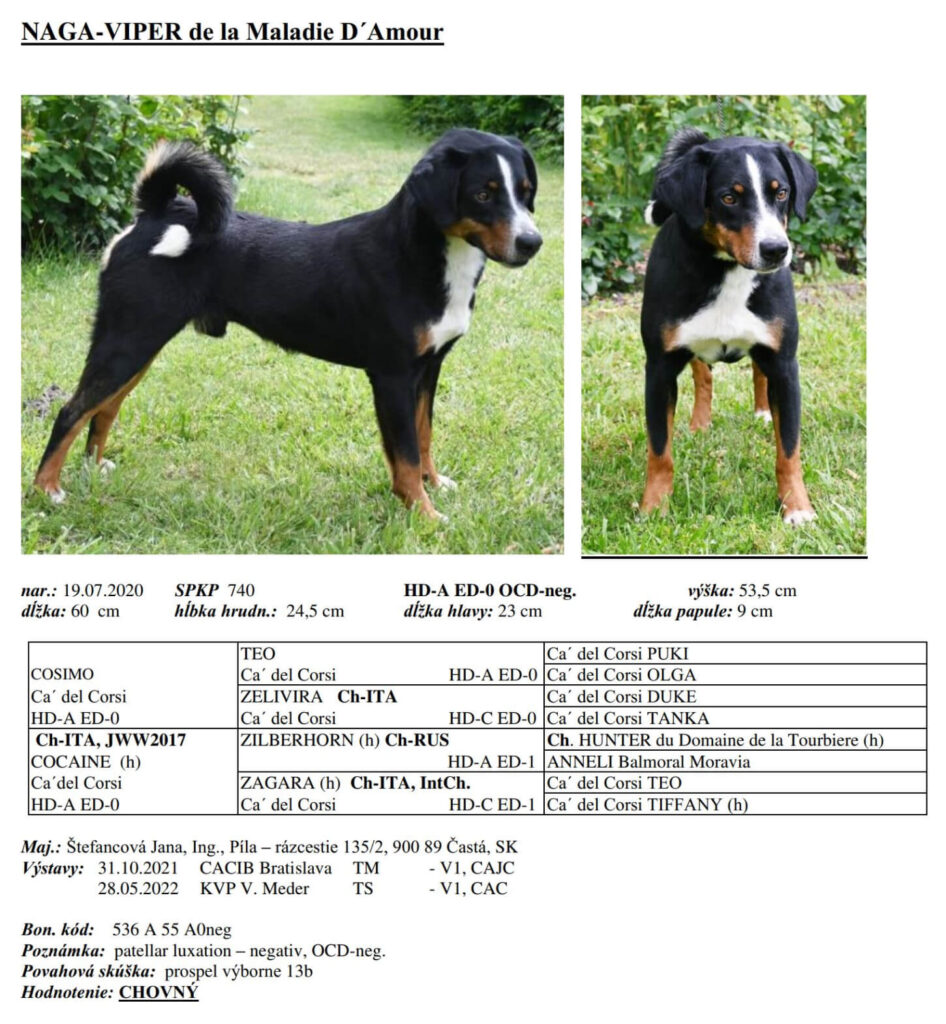
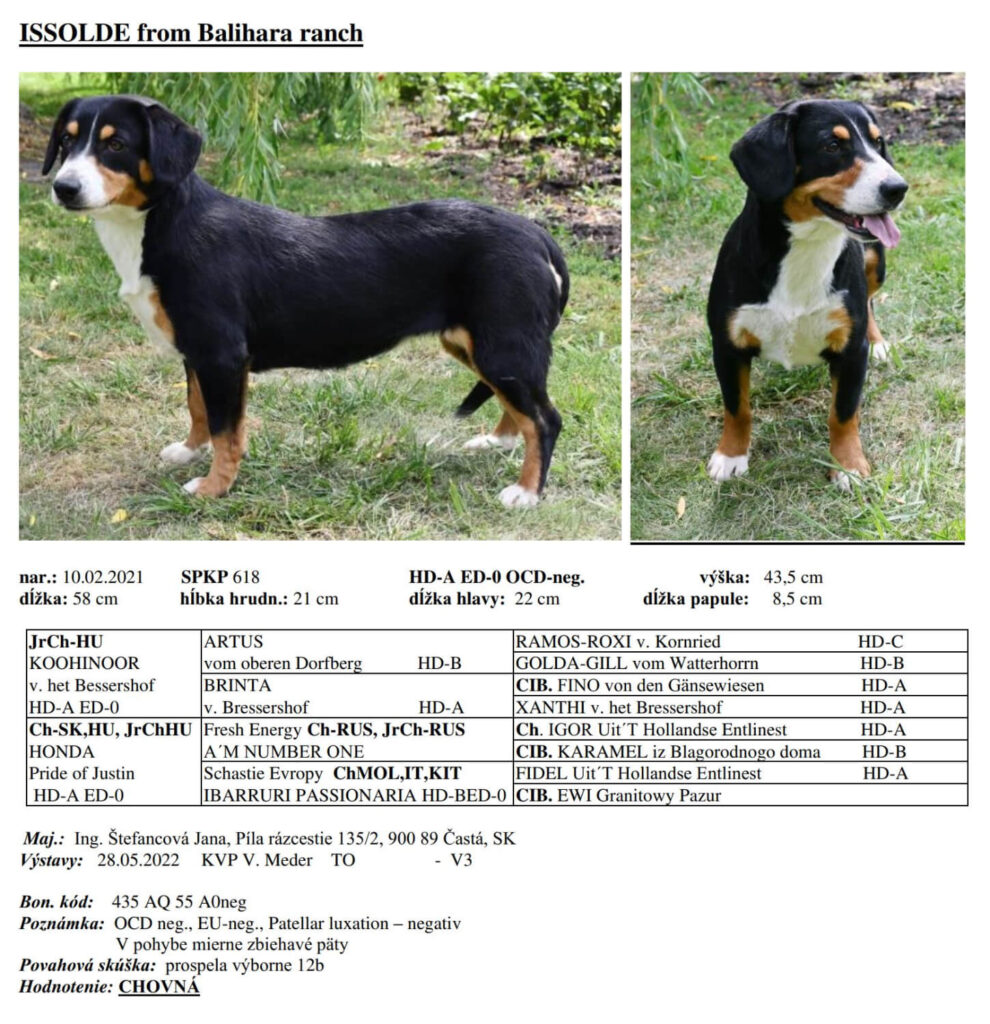
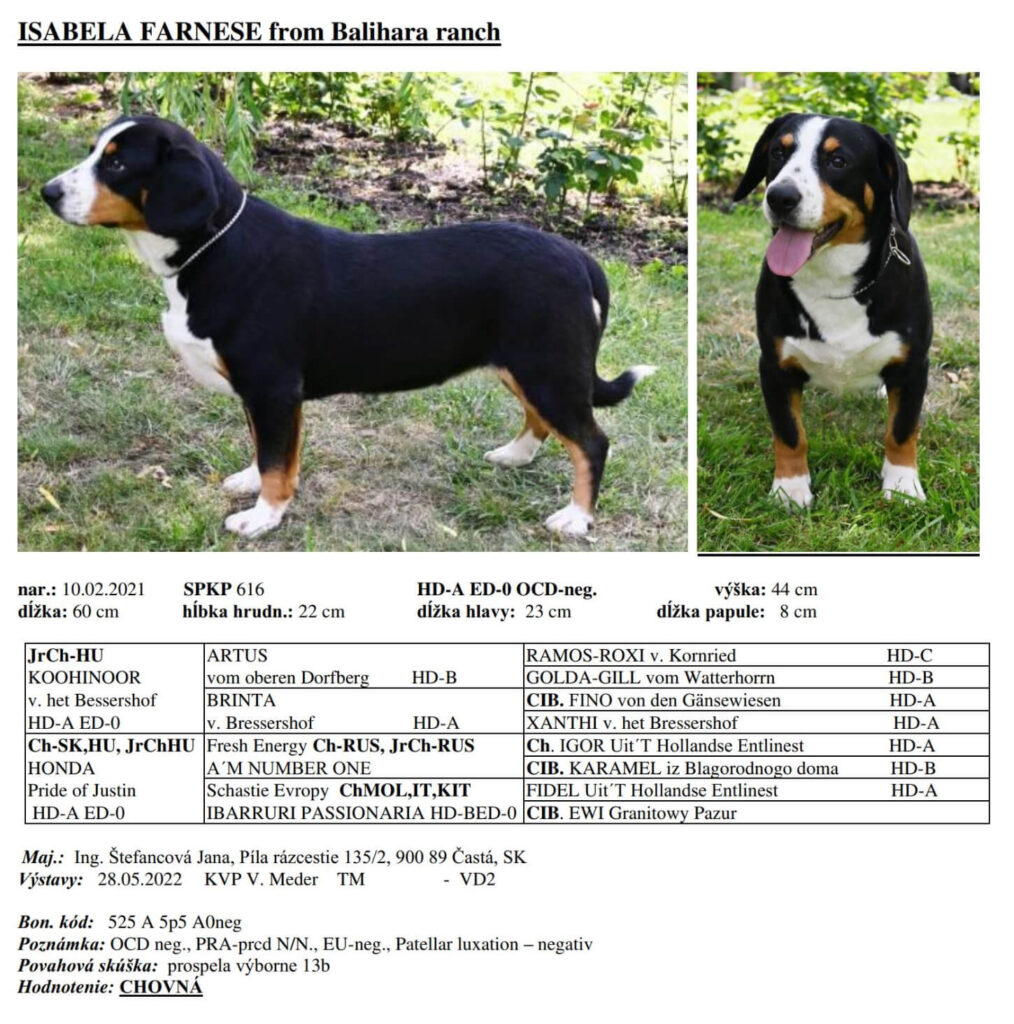
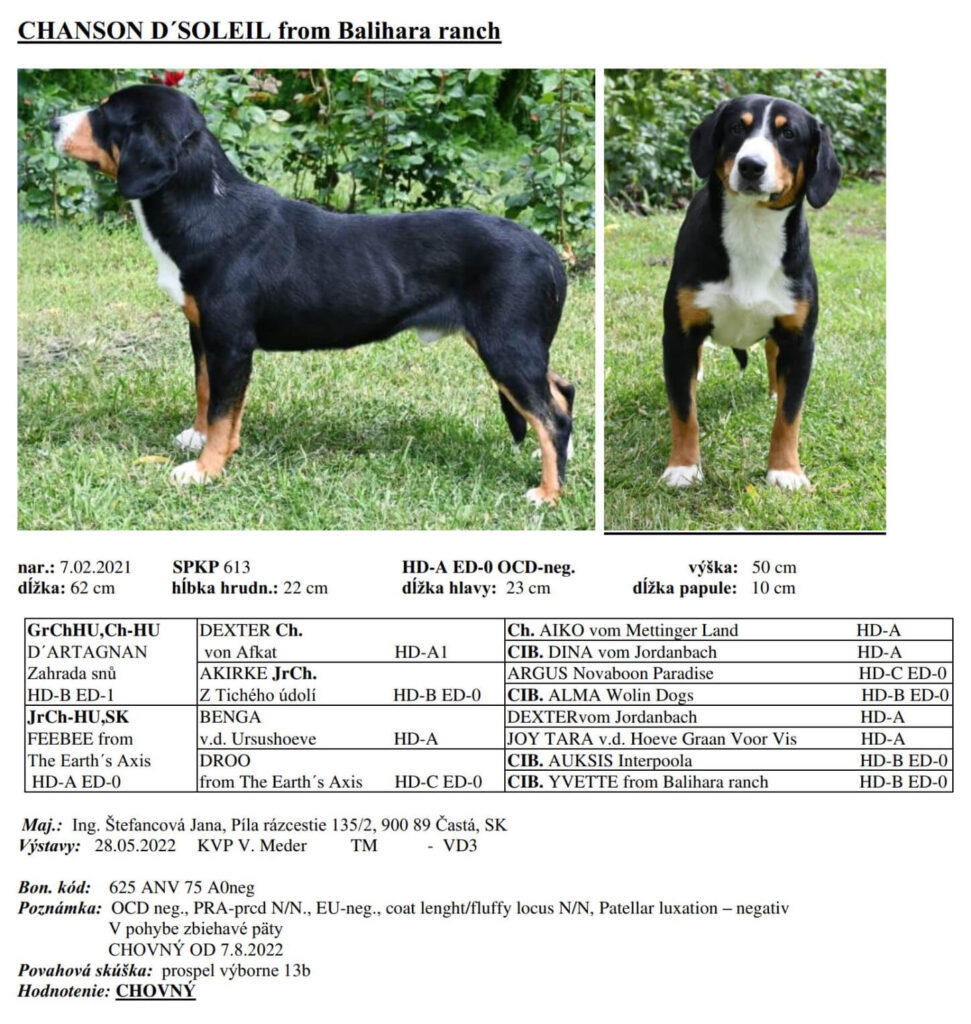
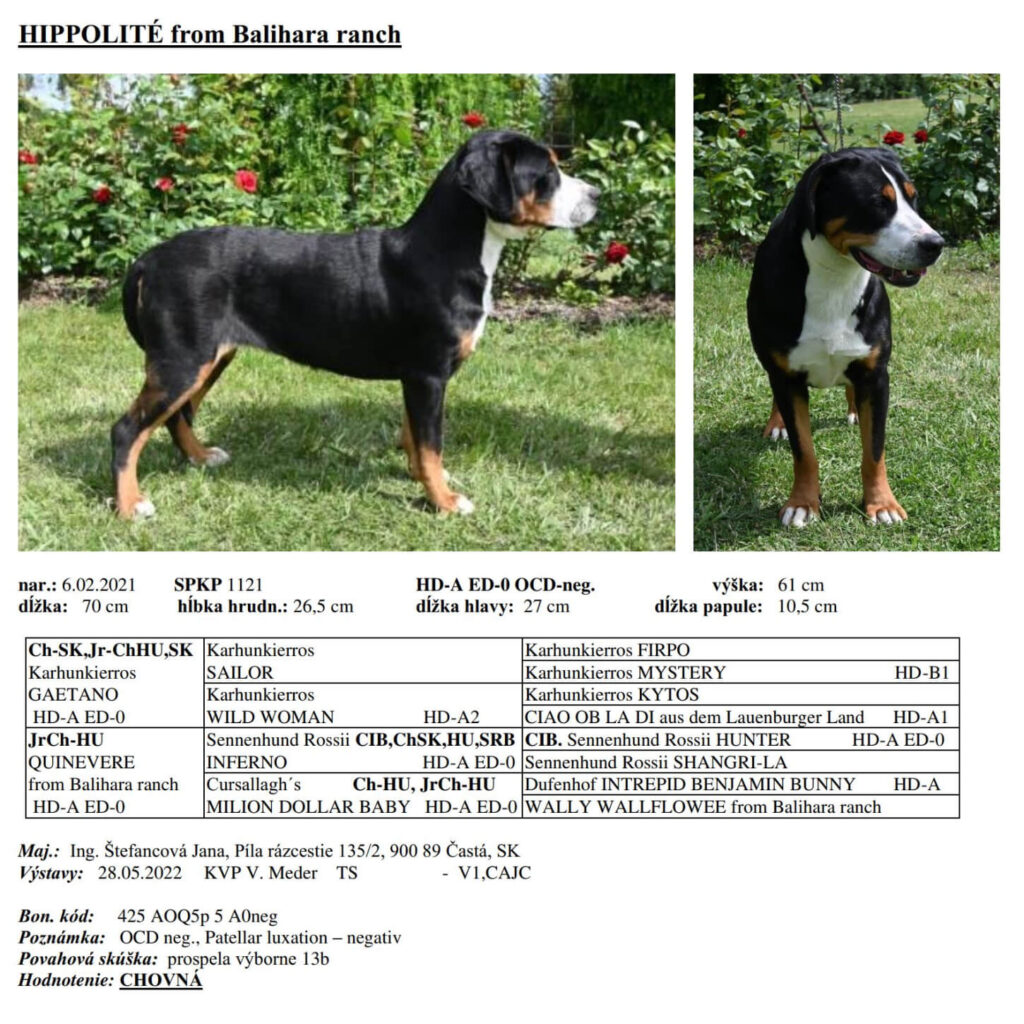
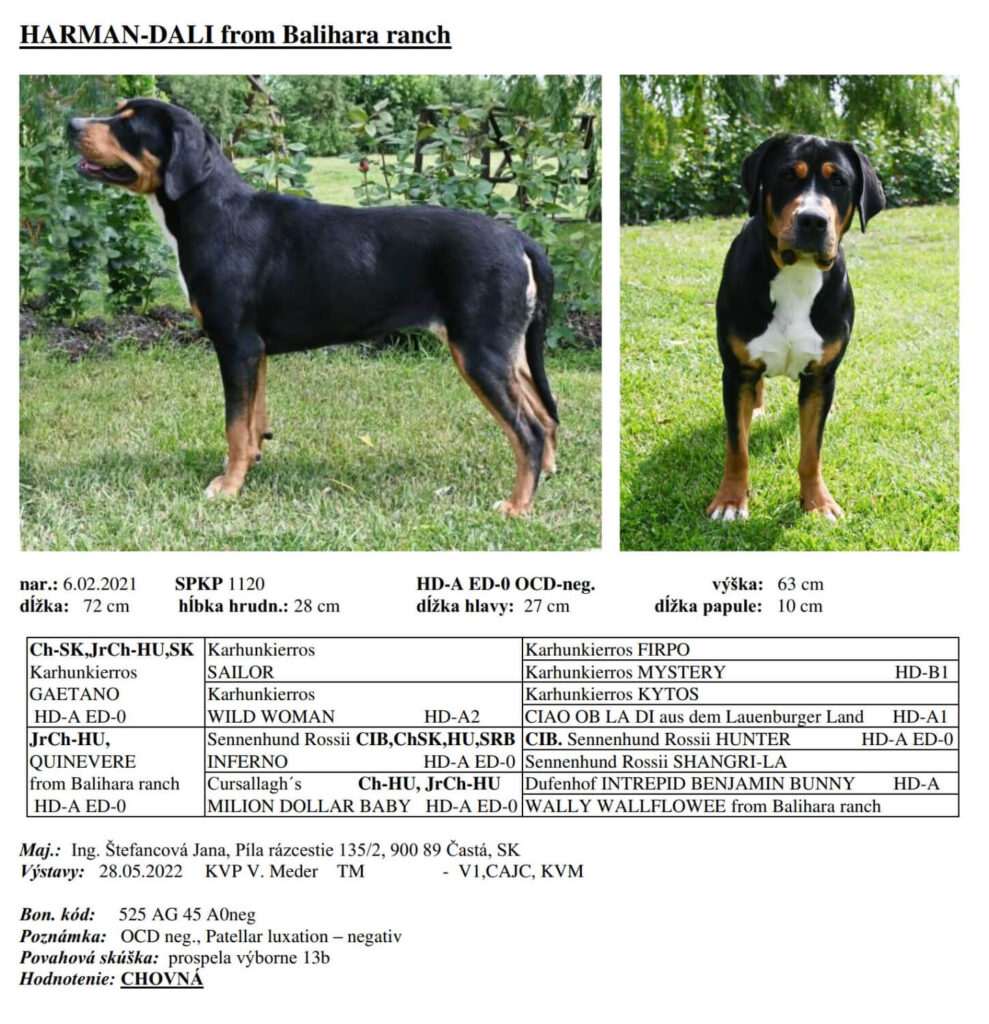
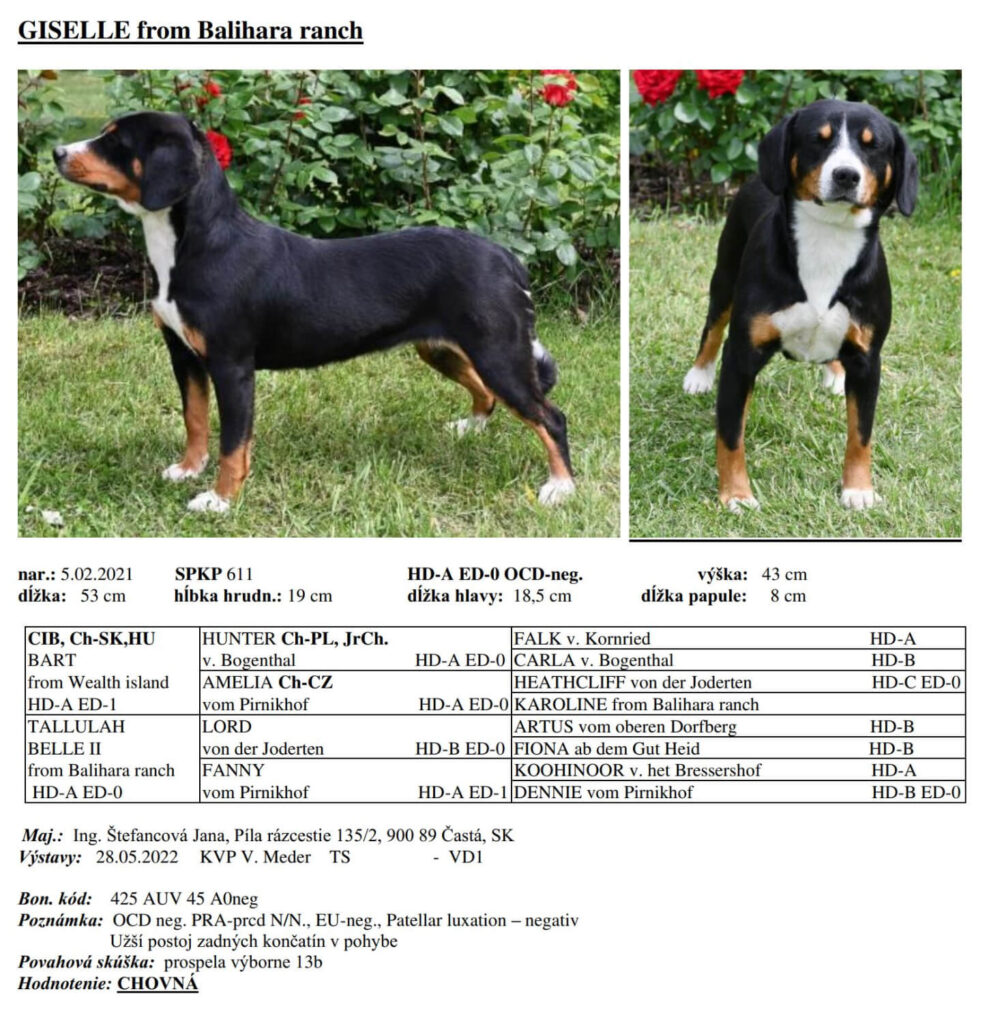
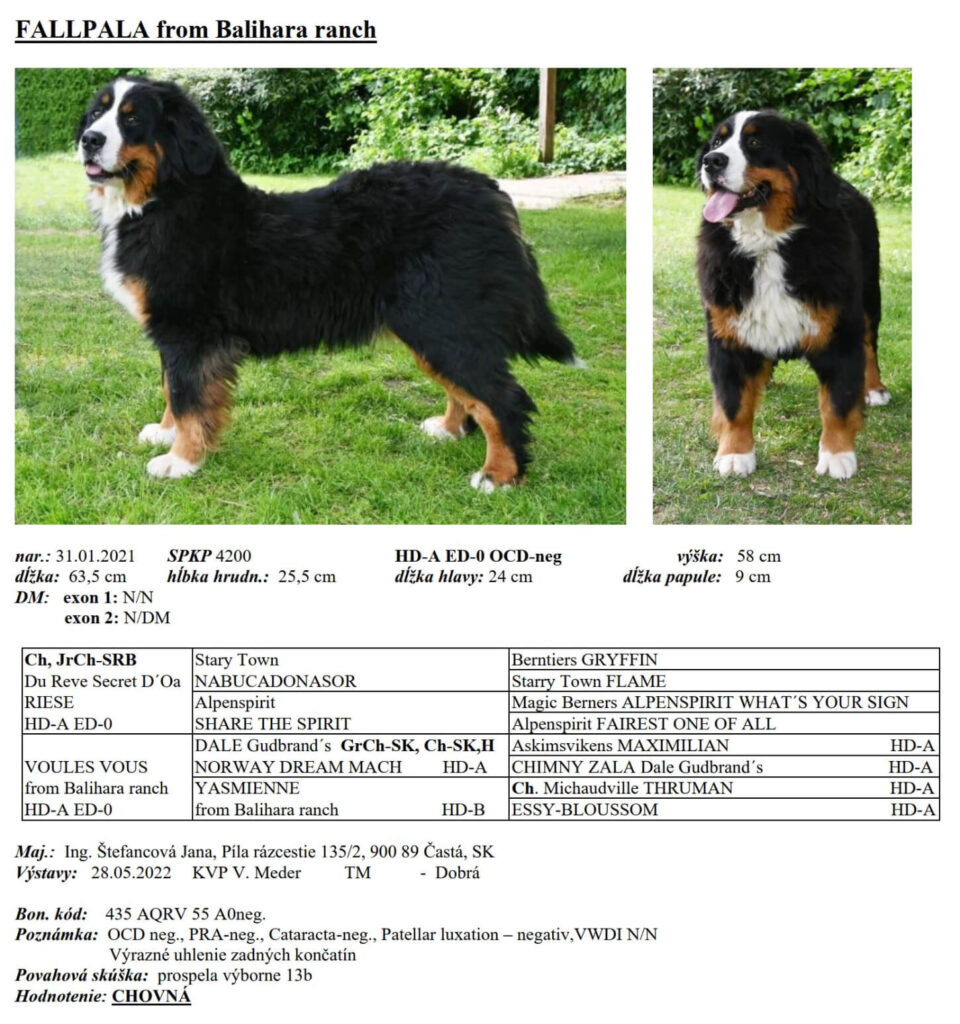
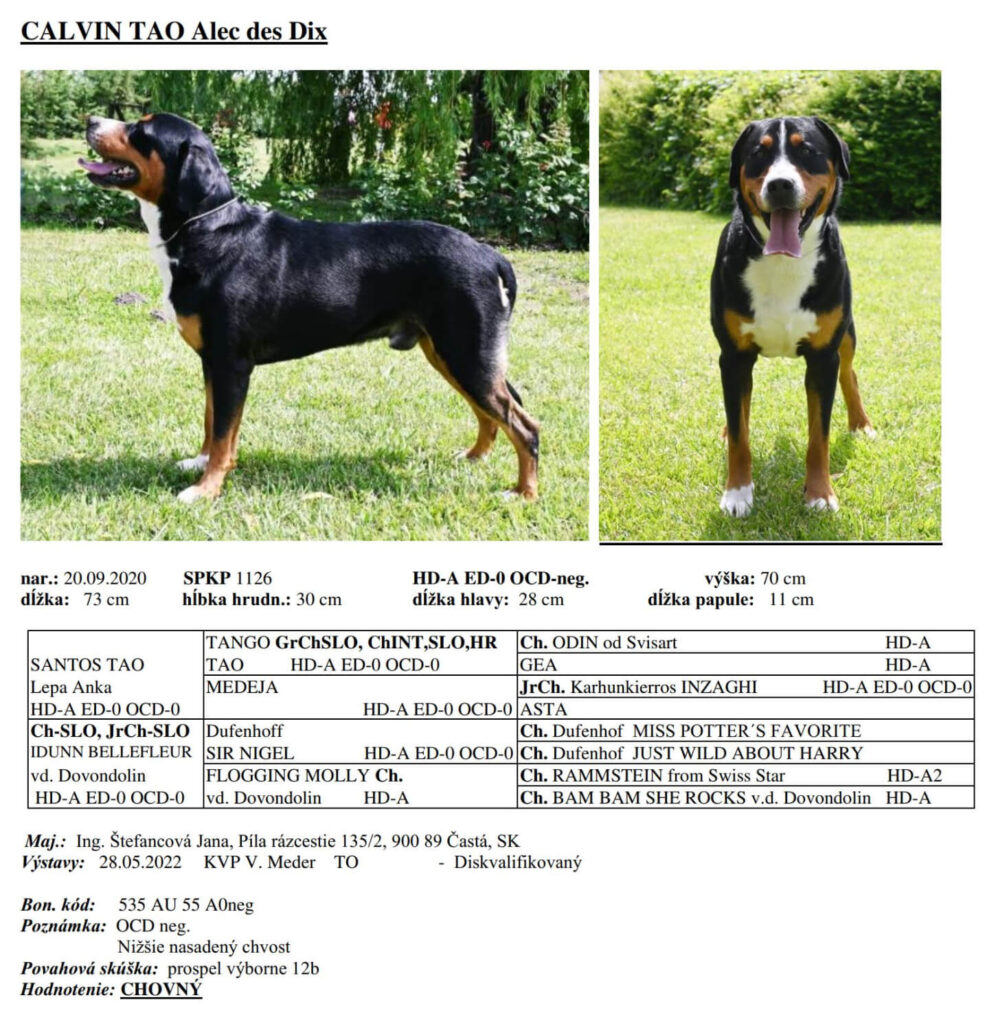
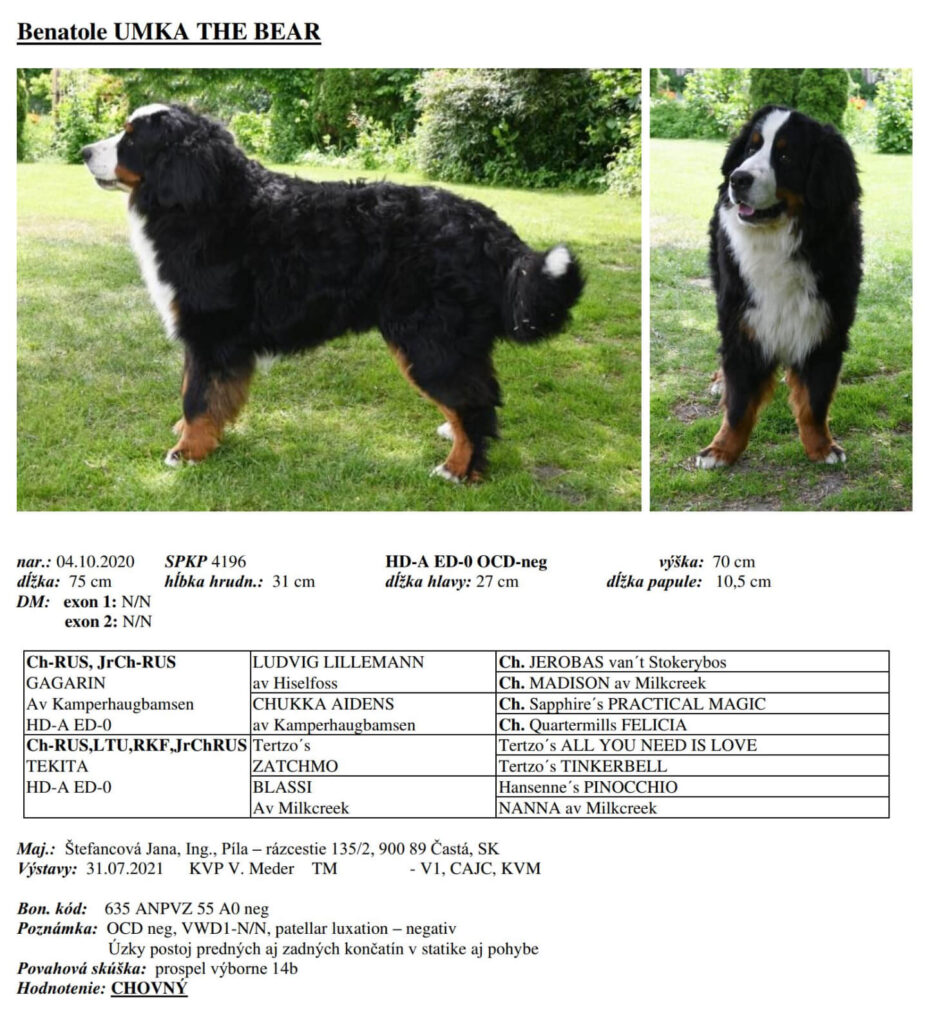
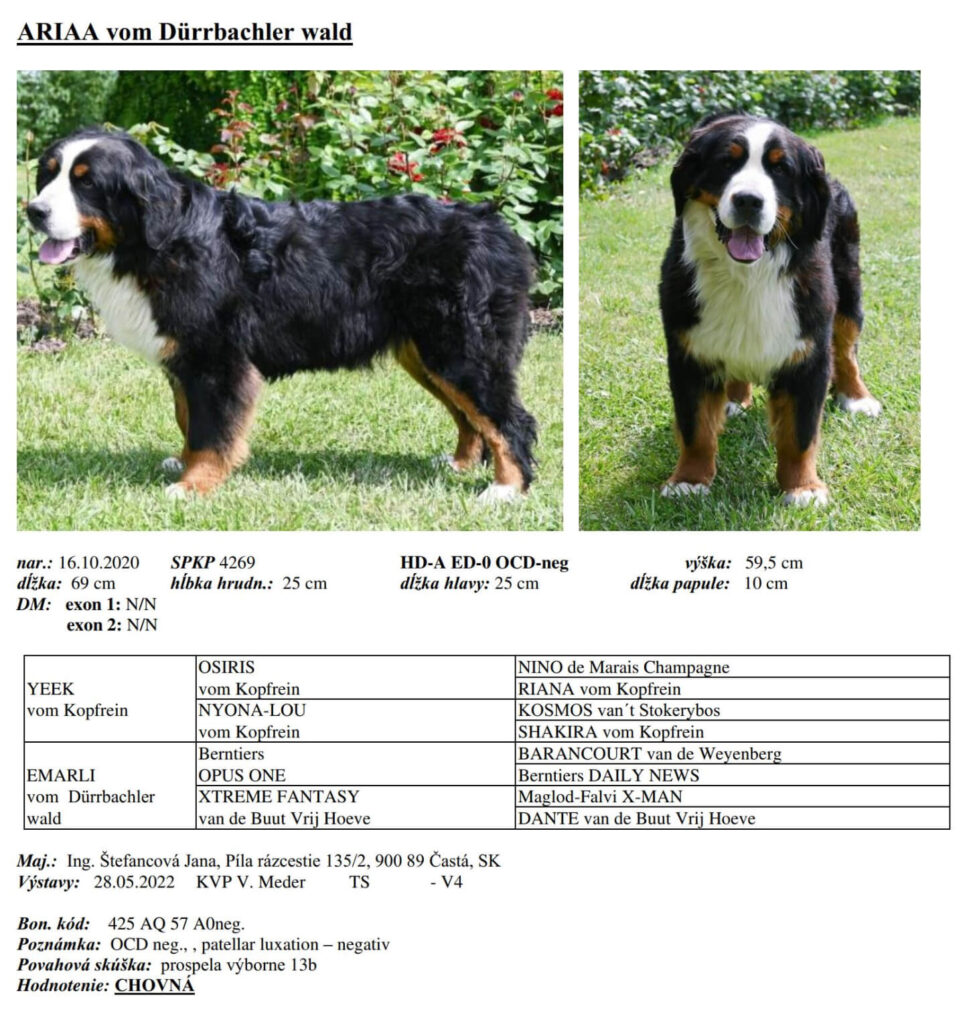
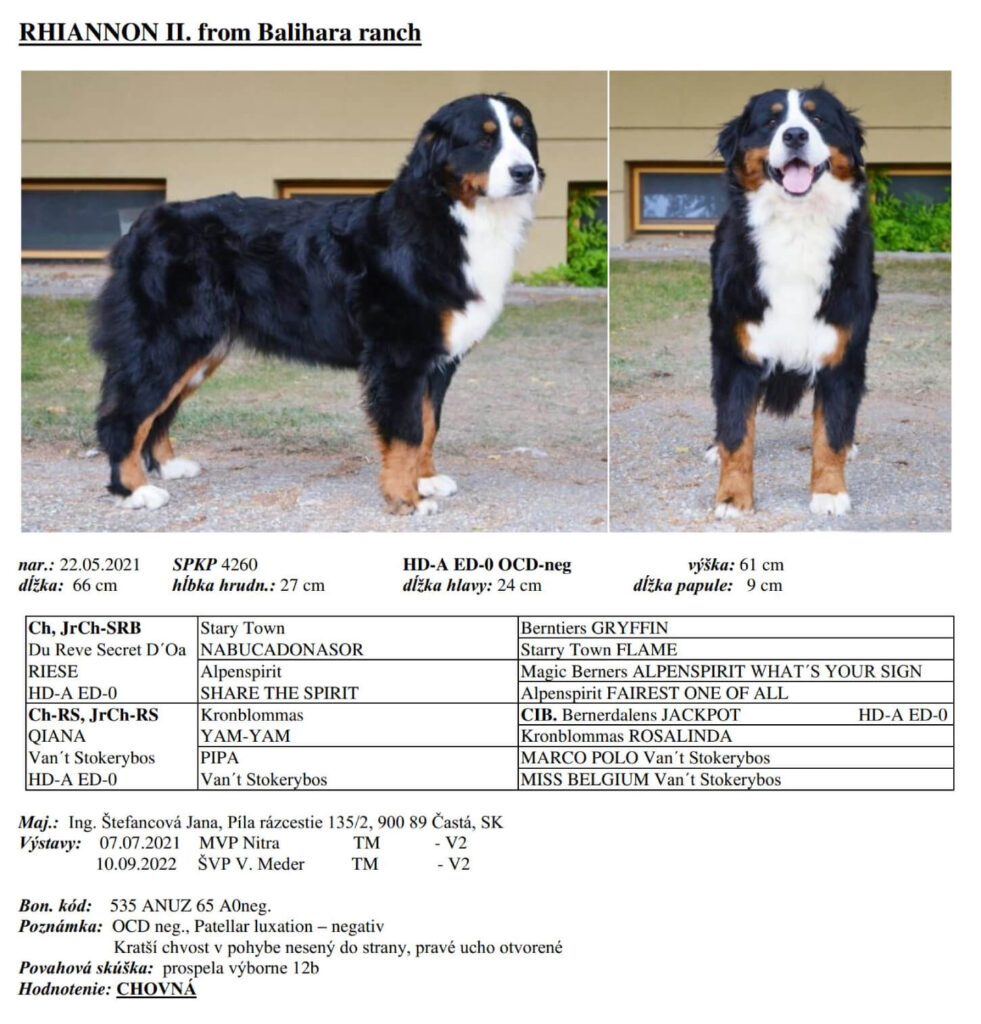
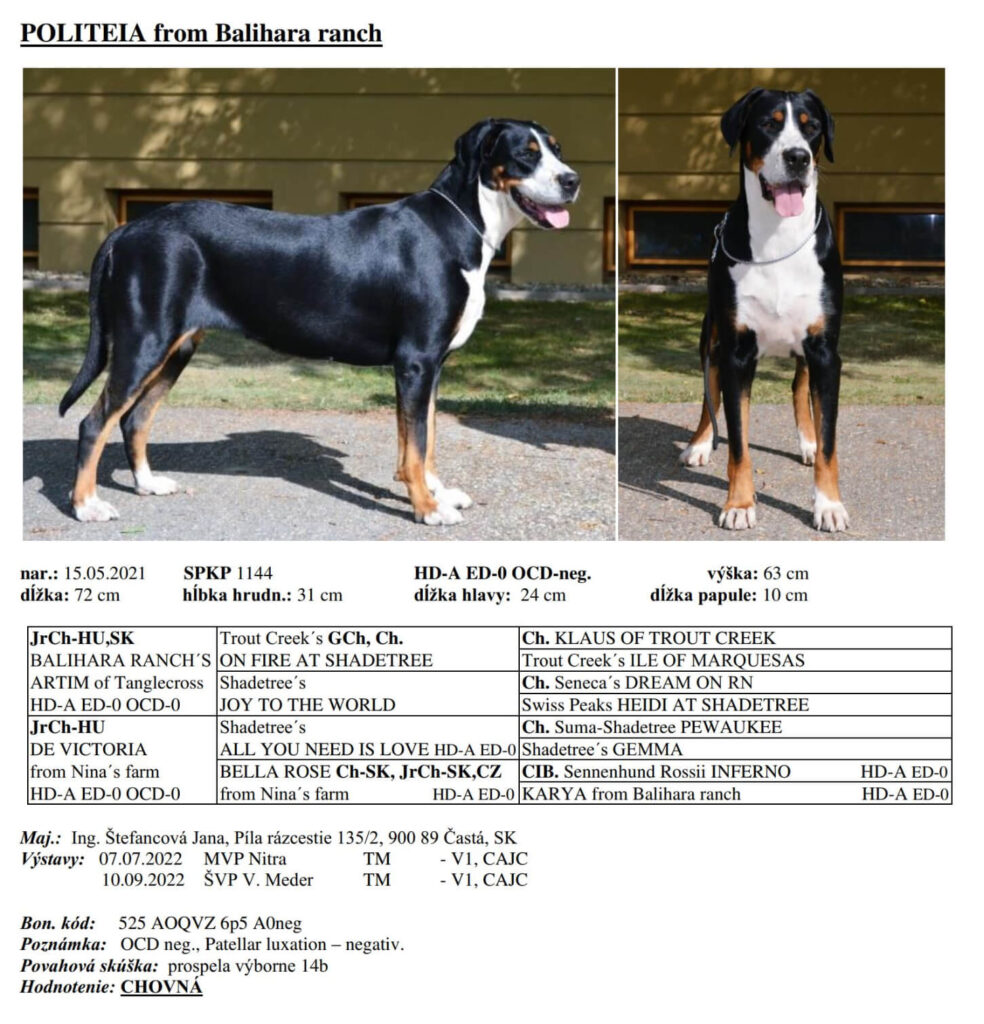
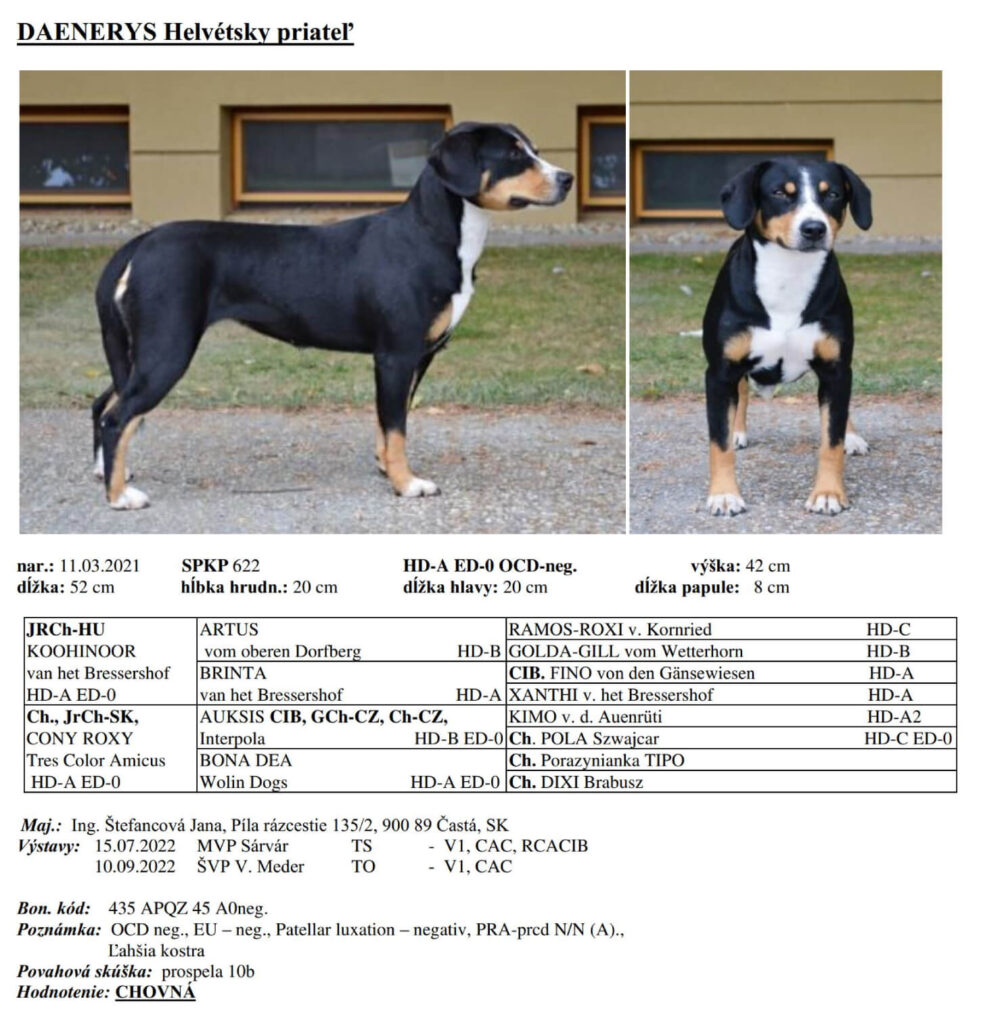
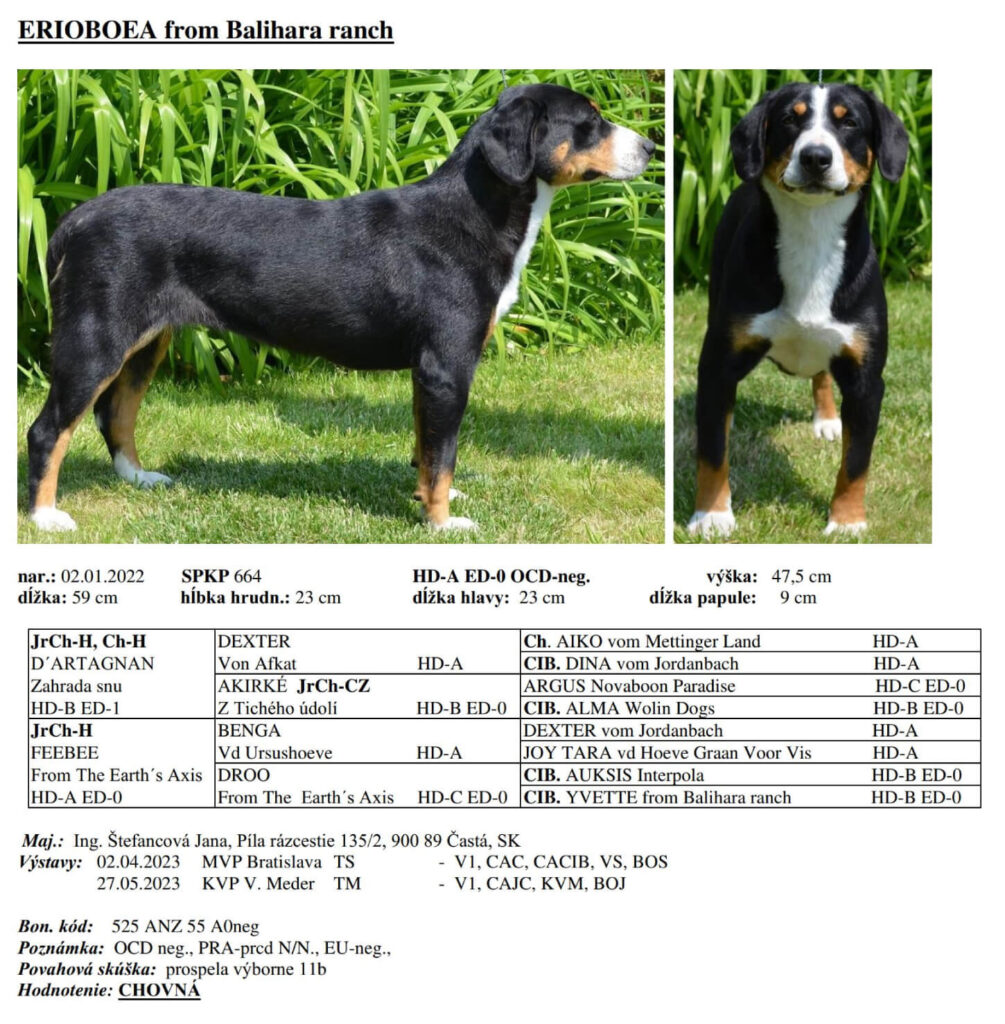
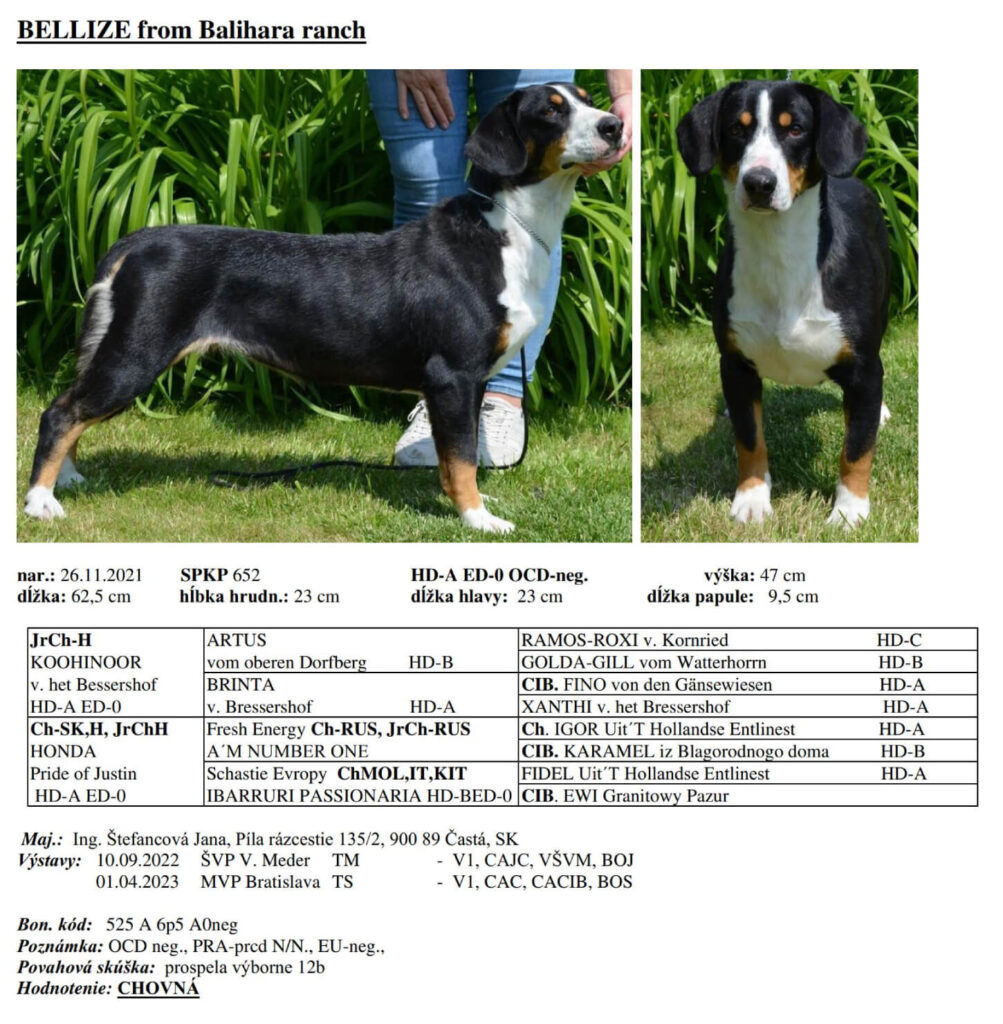
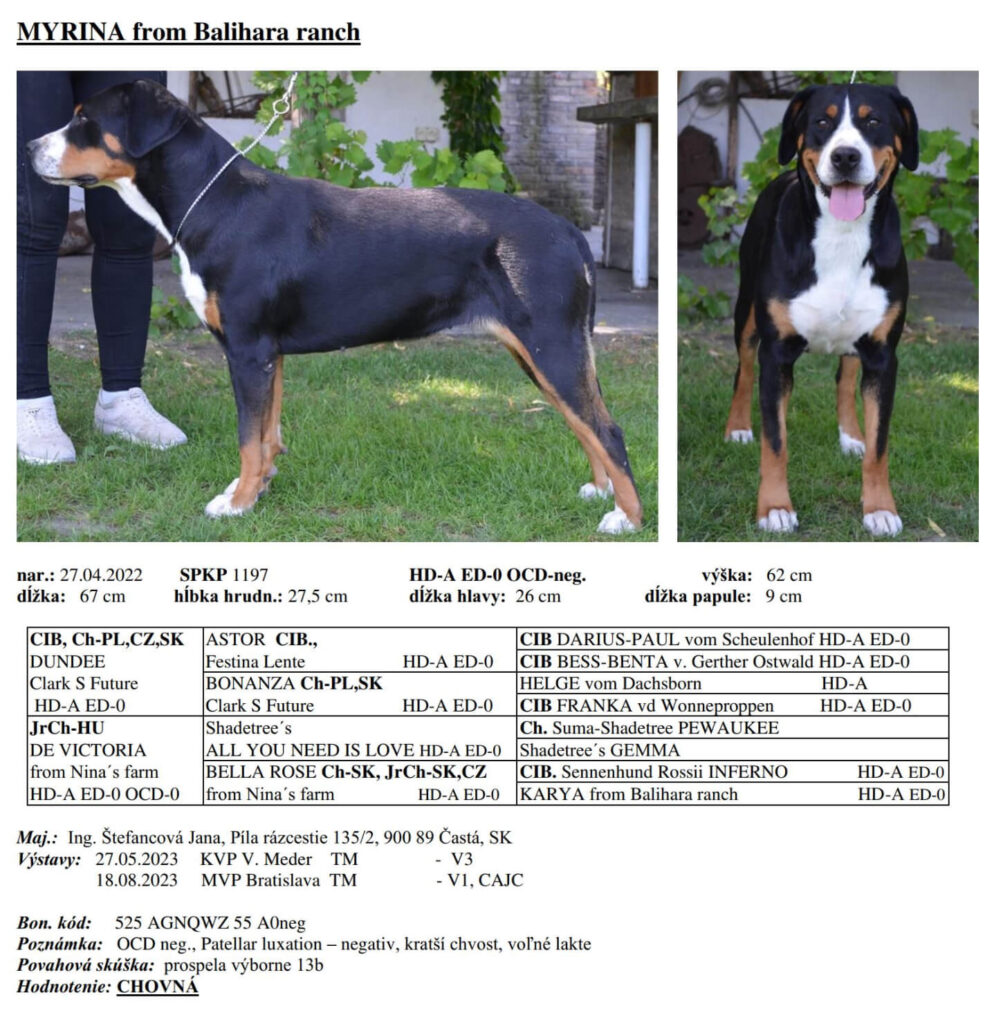
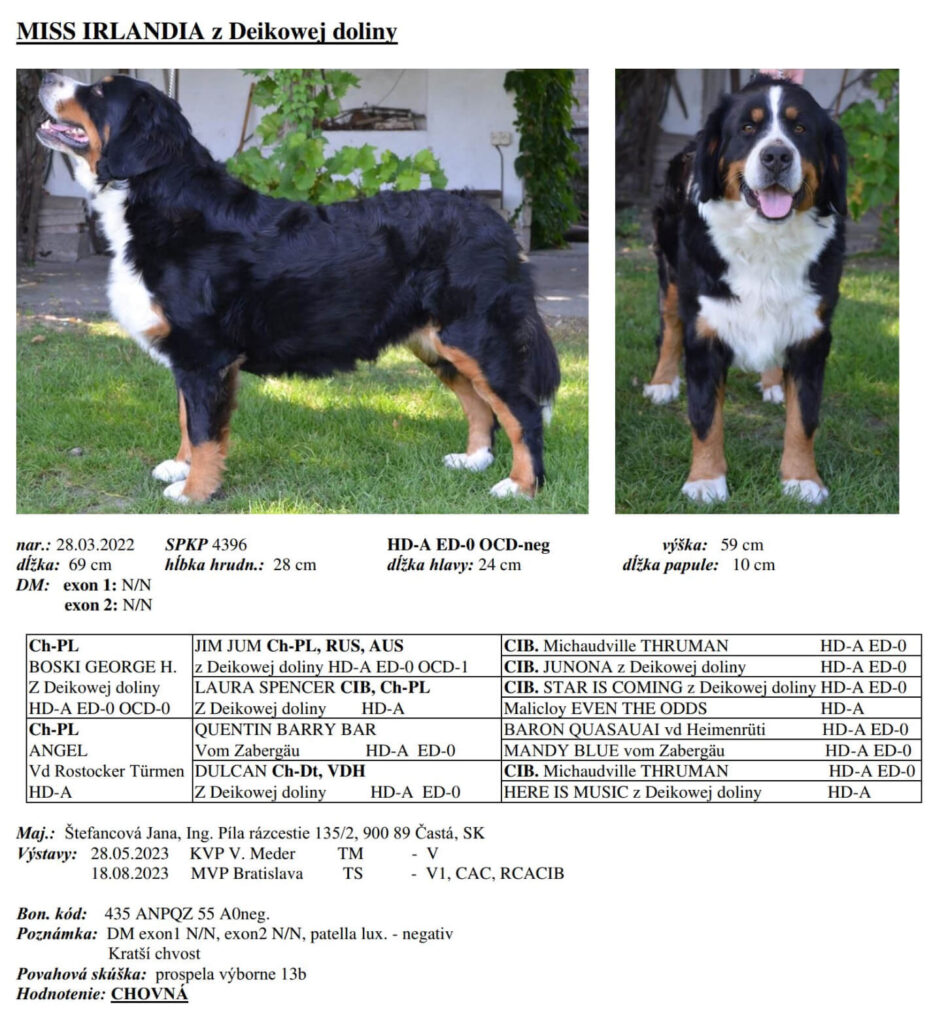
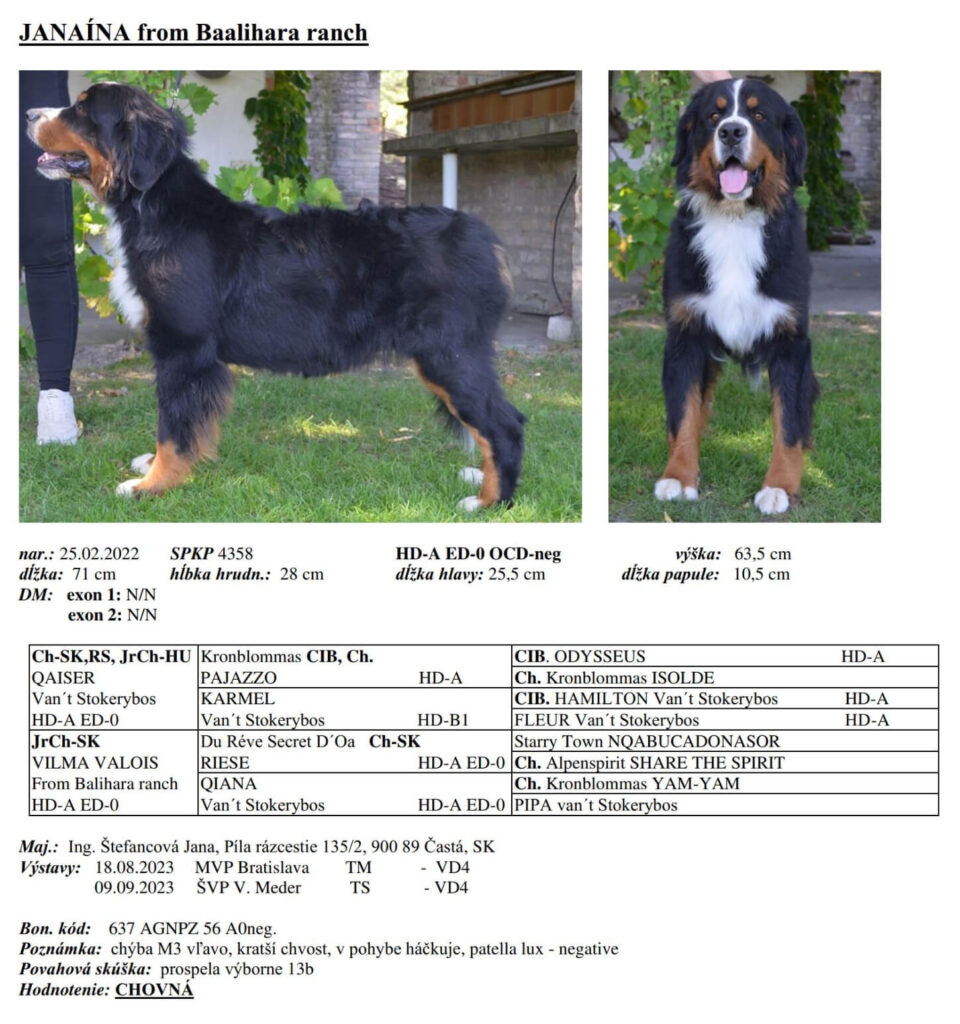
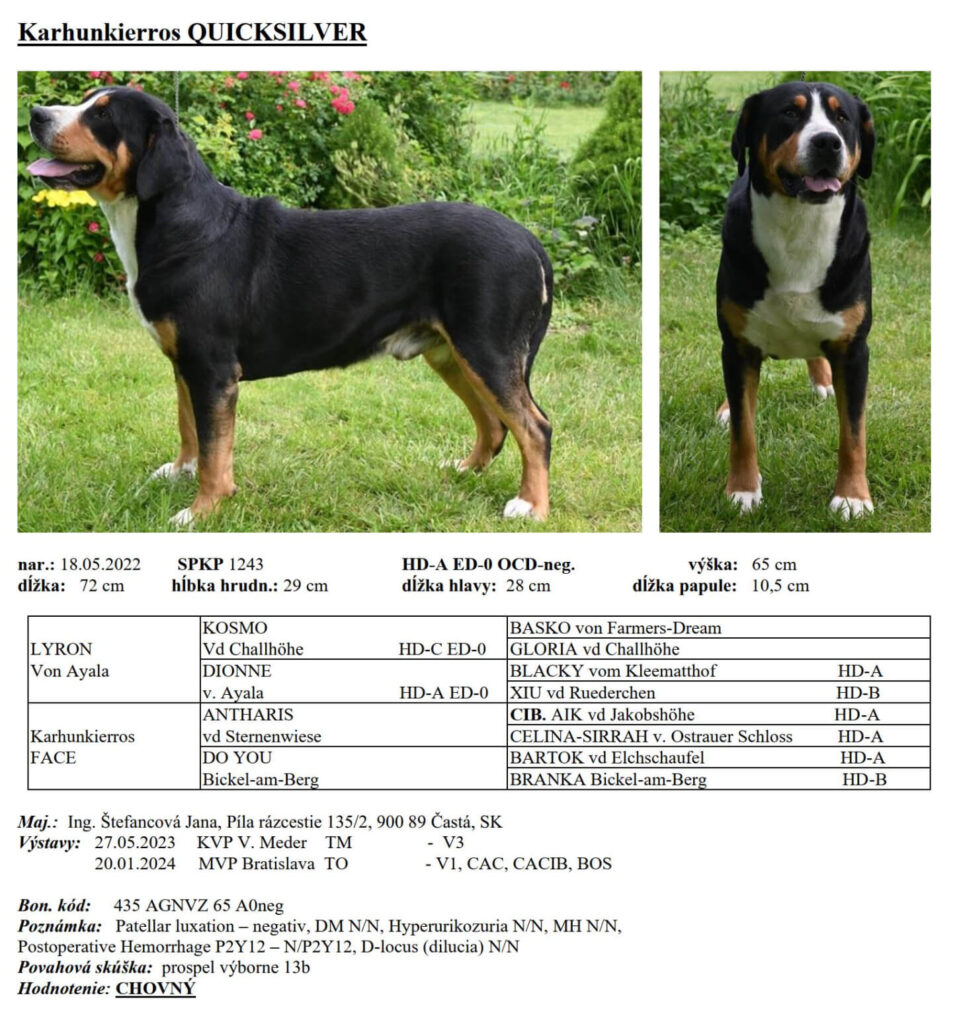
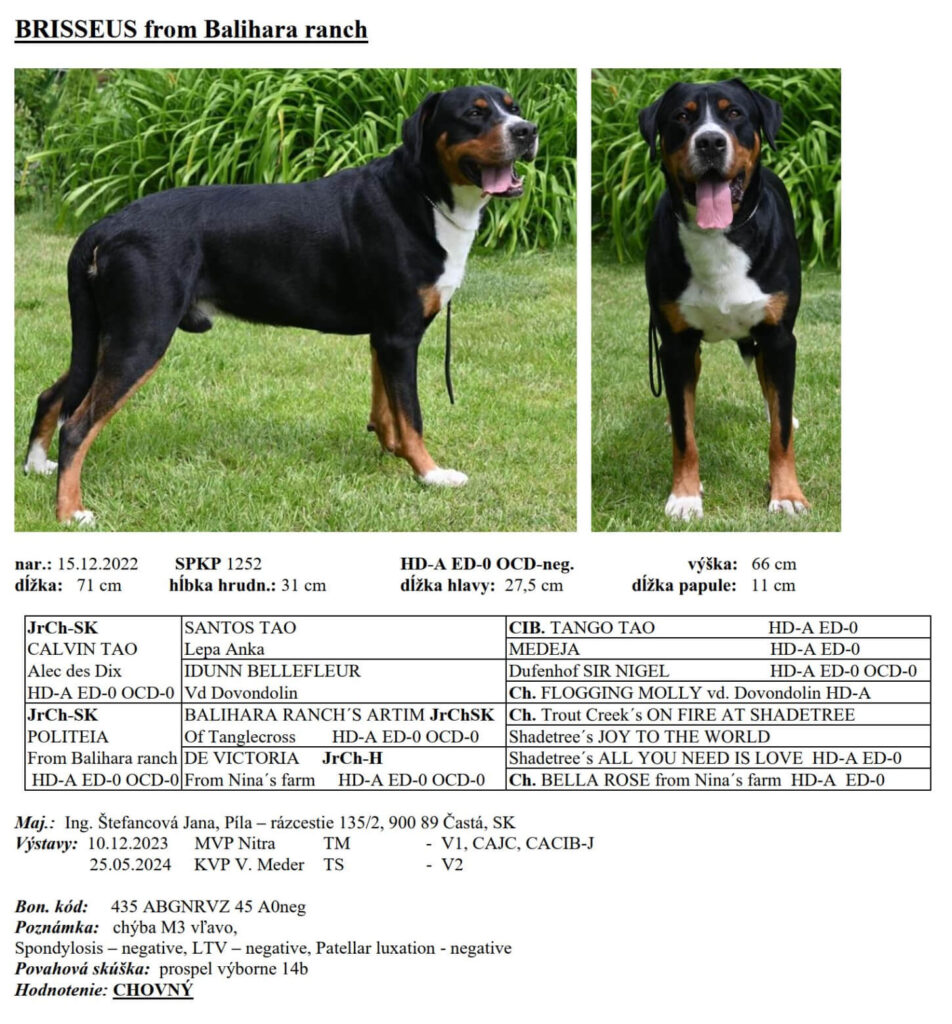
In the attachment, you’ll find screenshots of all 81 dogs approved for breeding between 2012 and 2024, all officially registered under the name of the Balihara Ranch owner.
Each of these dogs carries a silent story.
And each one is a testament to the uncomfortable truth: in some breeding programs, “ethics” is just a word.
Some of them lived through more litters than years.
Others likely never saw more than the space between a kennel and a whelping box.
What they all have in common is this:
Their lives were never centered around love—but around profit.
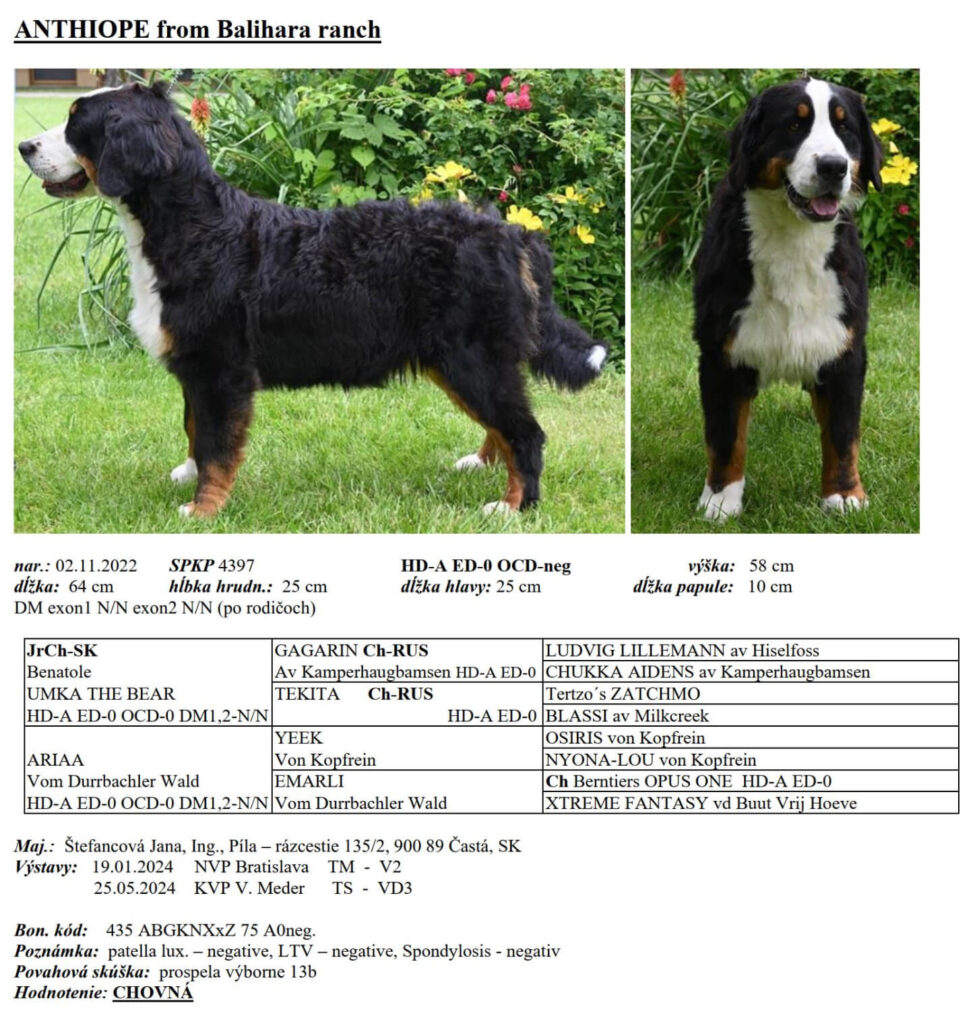
source: skssp.eu