
The Ethics of Domestic Animal Breeding
Animal breeding has been a mainstay of our relationship with domesticated species for thousands of years. However, it is essential to critically examine breeding practices to ensure the well-being of the animals involved. In recent years, there has been growing awareness of the ethical implications of certain breeding methods.
Signs of Unethical Breeding
The situation we described at Balihara Ranch kennel raises several red flags:
- Tail Position and Fear:
- Dogs with their tails pulled back and exhibiting fear are clear signs of stress and anxiety.
- Lack of socialization, confinement to cages, and limited contact with people and other dogs can contribute to this behavior.
- Such conditions are detrimental to the dogs’ mental and physical health.
- Commoditization of Dogs:
- When dogs are treated solely as commodities for producing puppies, their well-being often takes a backseat.
- Responsible breeders prioritize the health, temperament, and socialization of their dogs.
Let’s delve deeper into the behavior of dogs with their tails pulled back and exhibiting fear. This behavior can be a clear sign of stress and anxiety in dogs. Here’s an explanation:
Dogs with Tails Pulled Back: What It Indicates
- Tail Position:
- A dog’s tail position is a crucial indicator of its emotional state.
- When a dog’s tail is pulled back tightly against its body, it suggests fear, anxiety, or submission.
- In contrast, a relaxed tail held at a natural angle indicates a calm and confident dog.
- Fear and Anxiety:
- Dogs may exhibit this behavior for various reasons:
- Lack of Socialization: Dogs that haven’t been adequately socialized may feel fearful and anxious in unfamiliar situations or around people.
- Negative Experiences: Past traumatic experiences, abuse, or mistreatment can lead to fear responses.
- Confinement and Isolation: Dogs kept in cages or isolated environments without proper interaction can become anxious and stressed.
- Dogs may exhibit this behavior for various reasons:
- Signs of Fear:
- Apart from tail position, other signs of fear in dogs include:
- Trembling or shaking
- Cowering or hiding
- Dilated pupils
- Whining or whimpering
- Avoidance behavior (trying to escape the situation)
- Apart from tail position, other signs of fear in dogs include:
Responsible Breeding: A Way Forward
- Health and Welfare First:
- Breeders should prioritize the health and welfare of their animals above all else.
- Regular veterinary care, proper socialization, and adequate living conditions are essential.
- Transparency and Accountability:
- Kennels should be transparent about their breeding practices.
- Potential buyers should be informed about the dogs’ living conditions, health history, and genetic testing.
- Education and Advocacy:
- Educating the public about responsible breeding practices is crucial.
- Advocacy for animal welfare standards can drive positive change in the industry.
Conclusion
Balihara Ranch must be held accountable for its breeding practices. Dogs deserve better than being mere commodities.
Remember, responsible breeding ensures healthier, happier dogs and contributes to a more compassionate world for all animals. 
To see real-life pictures of scared dogs at Balihara Ranch, look at the collection of images of scared dogs that are freely available on the web. Unlike the polished and styled pictures found on Balihara Ranch’s website and social media, these images reveal the raw and unfiltered experiences of dogs living in the Balihara Ranch kennel.
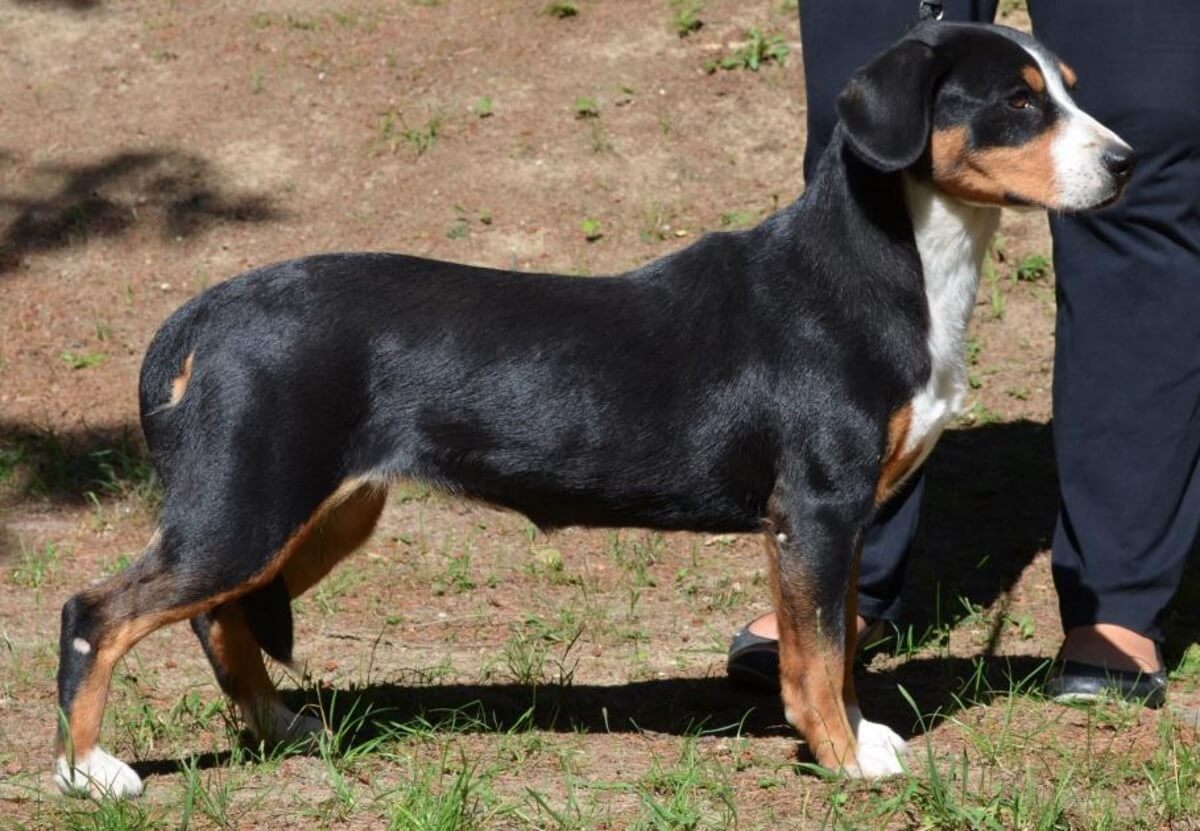
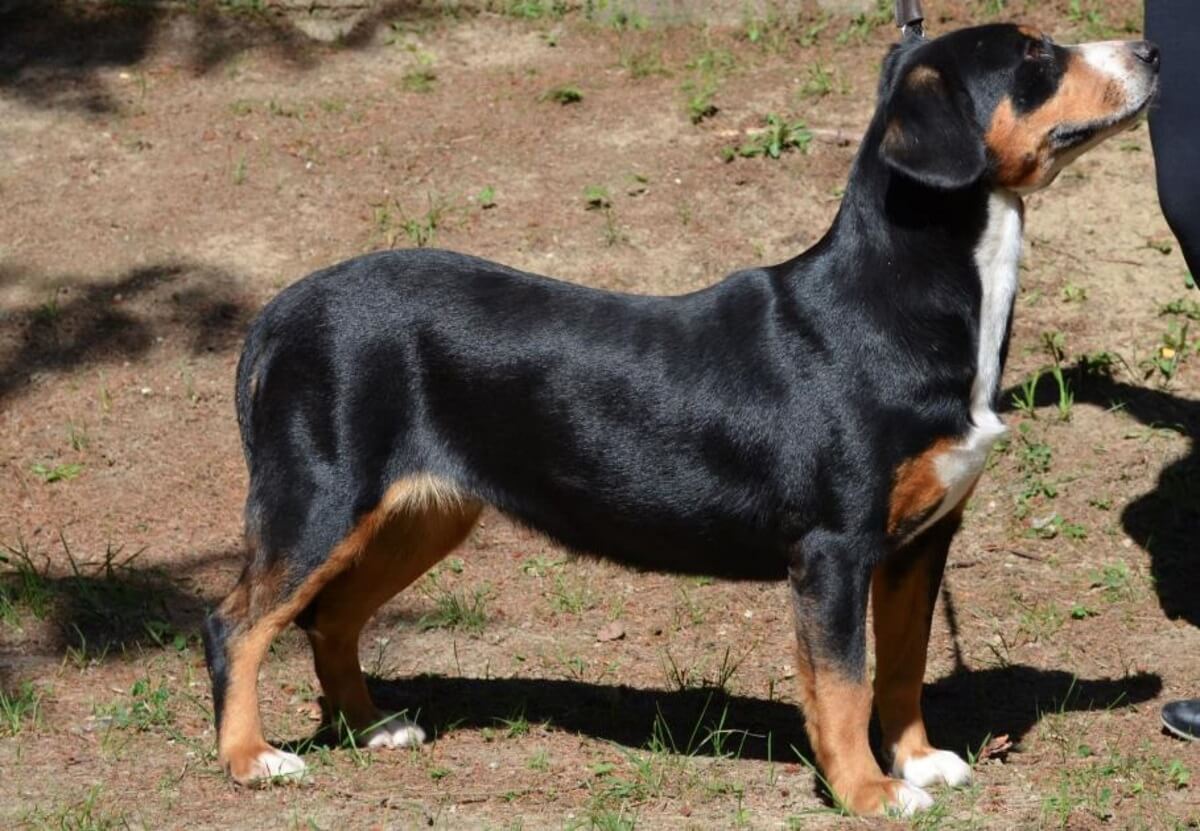
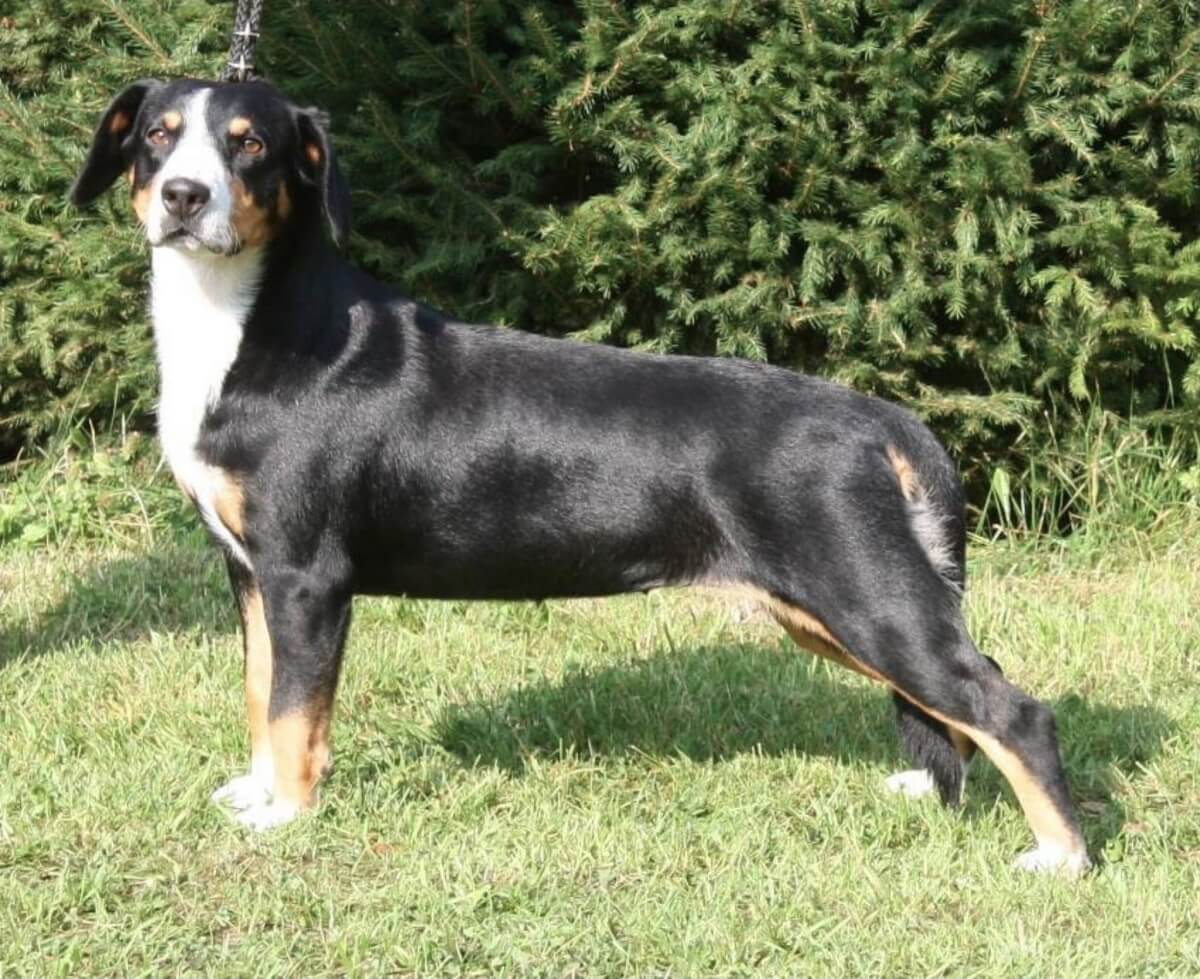
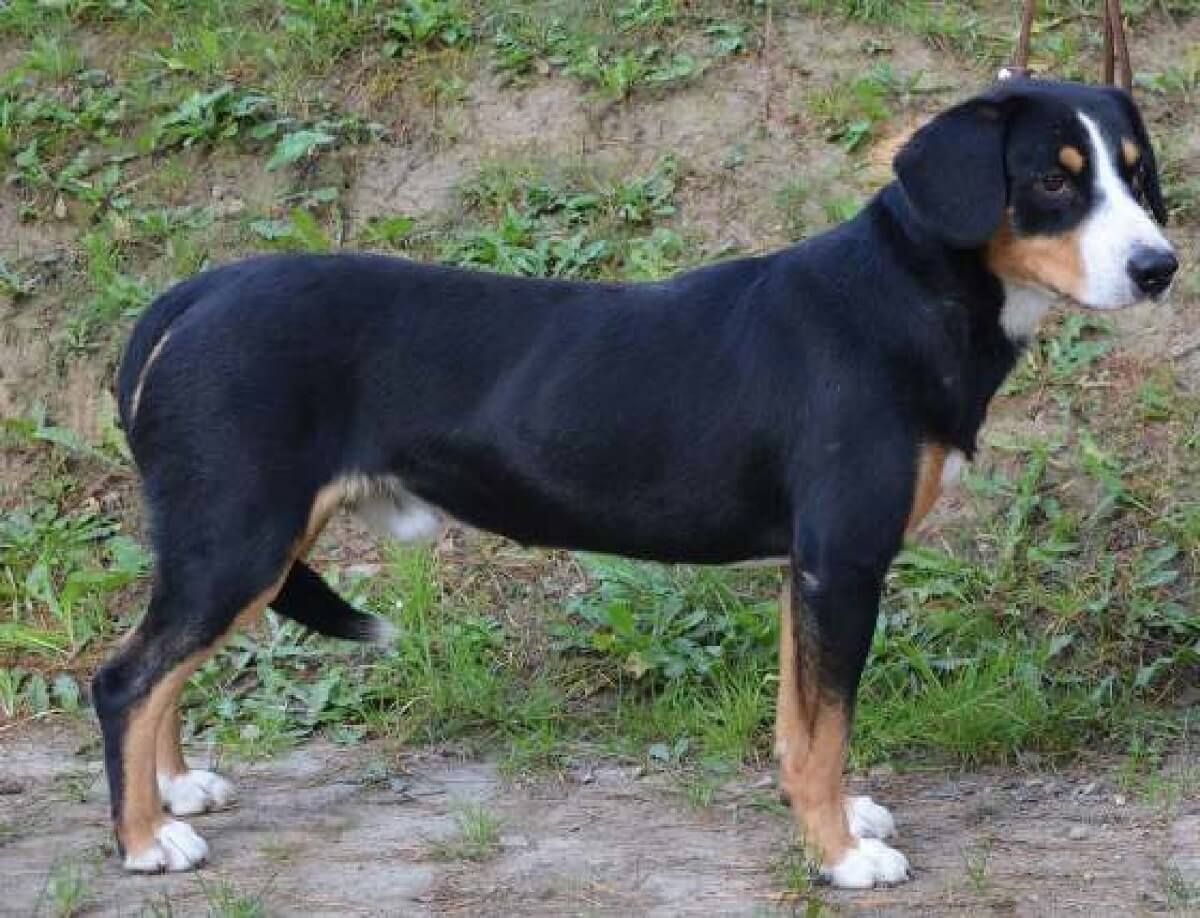

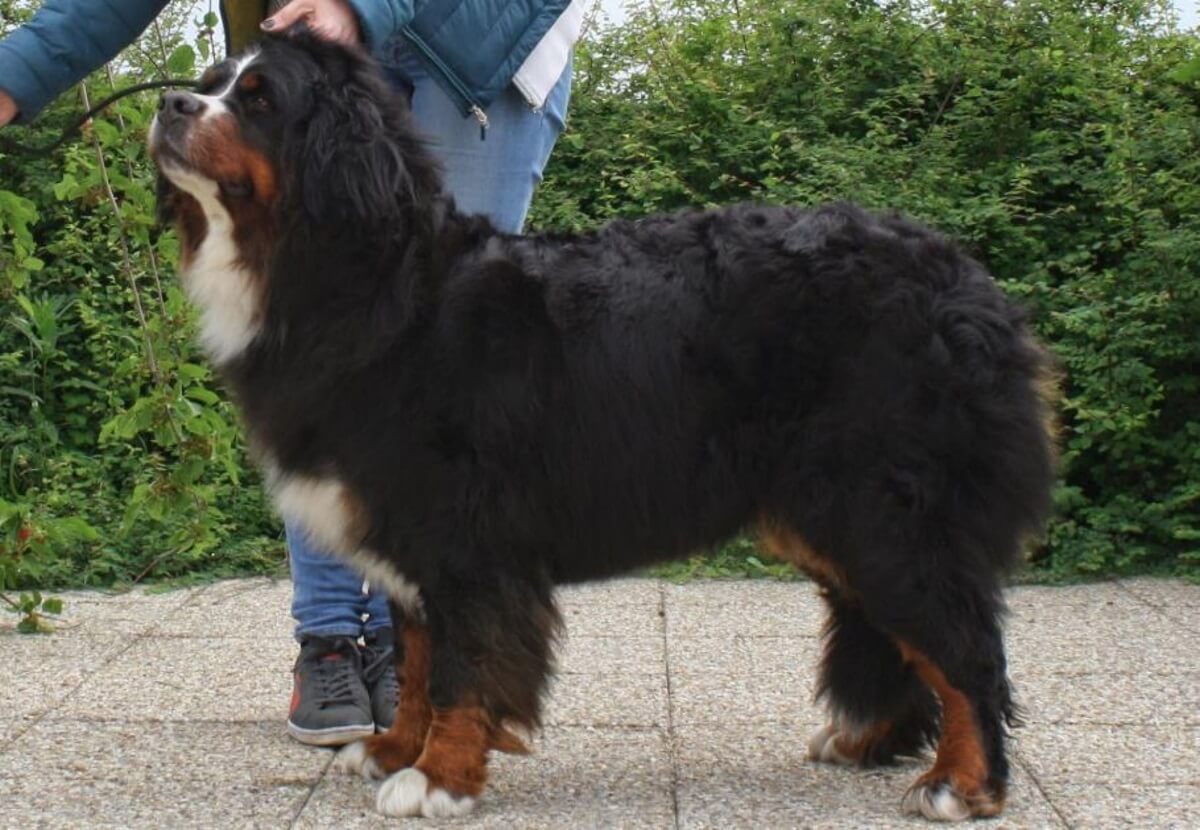
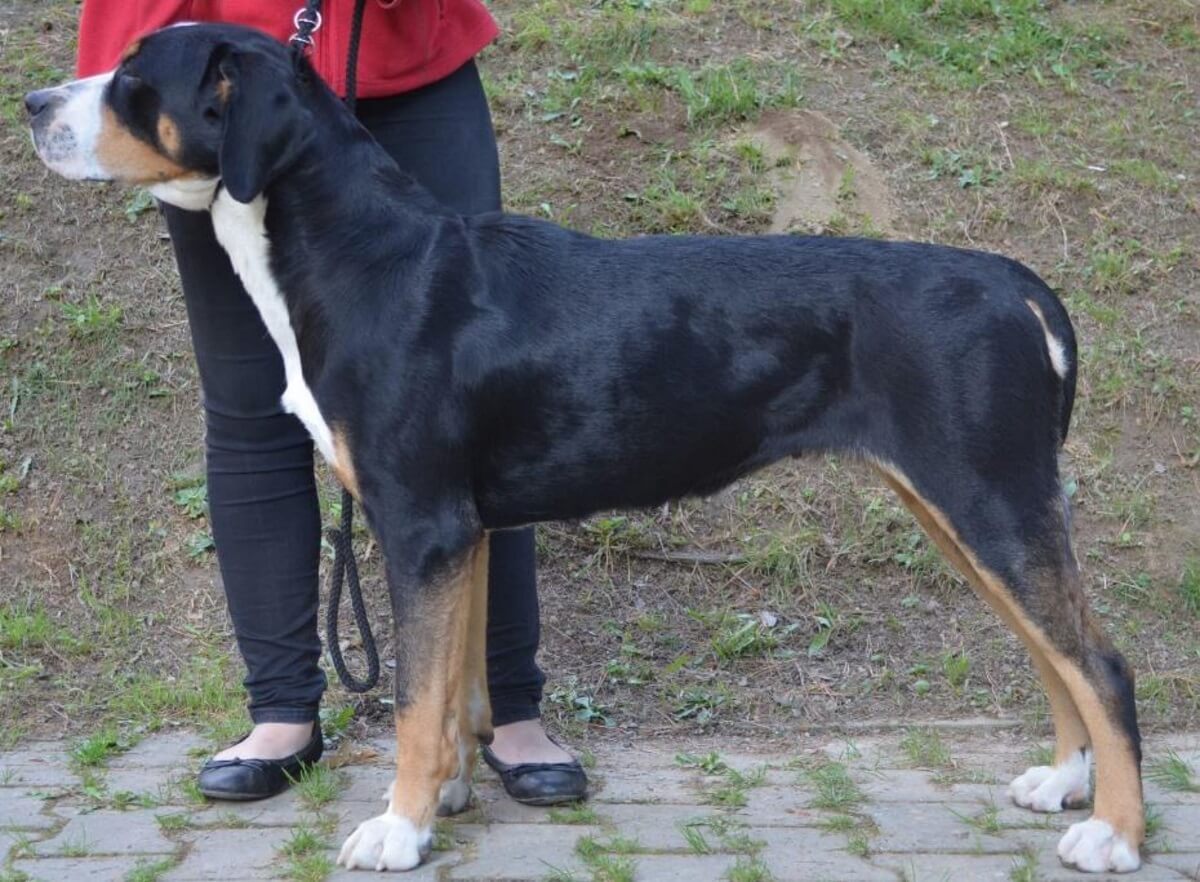
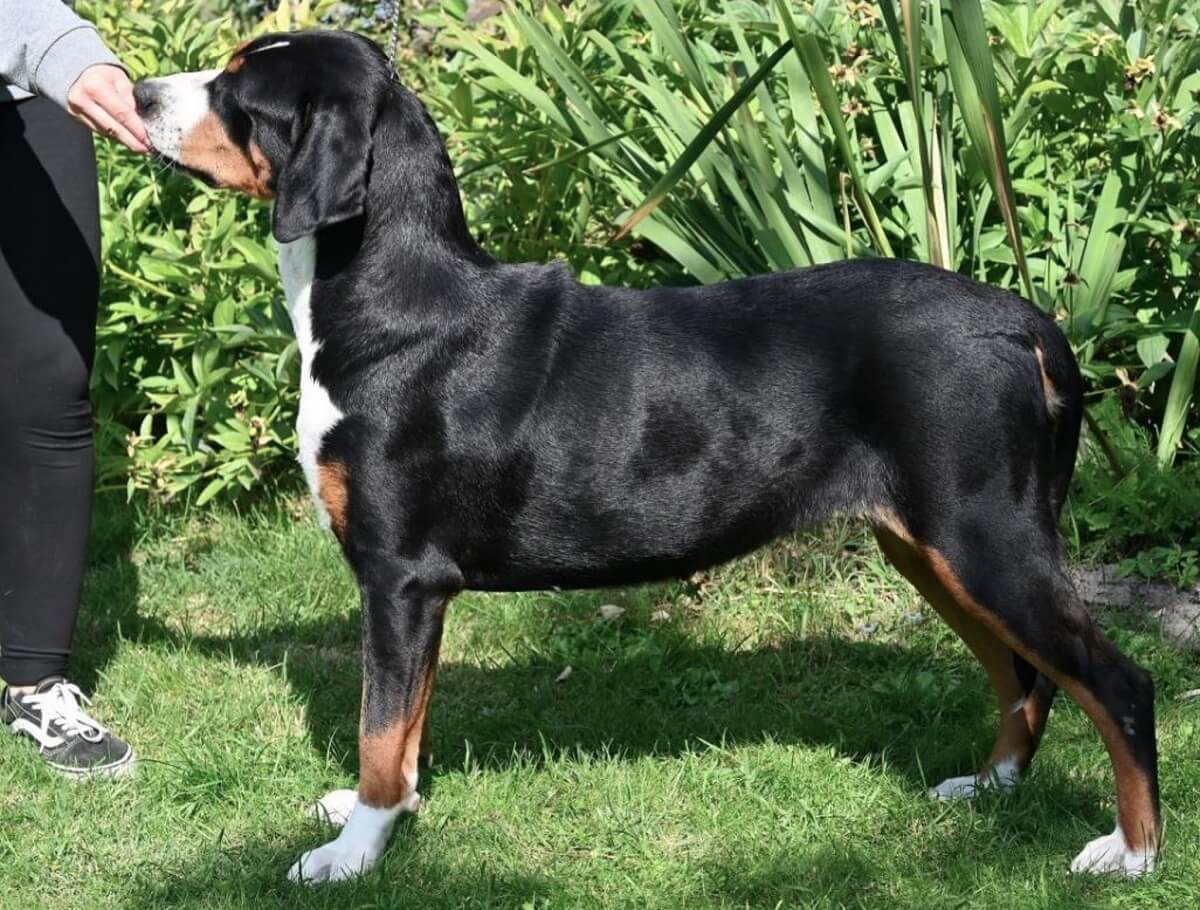
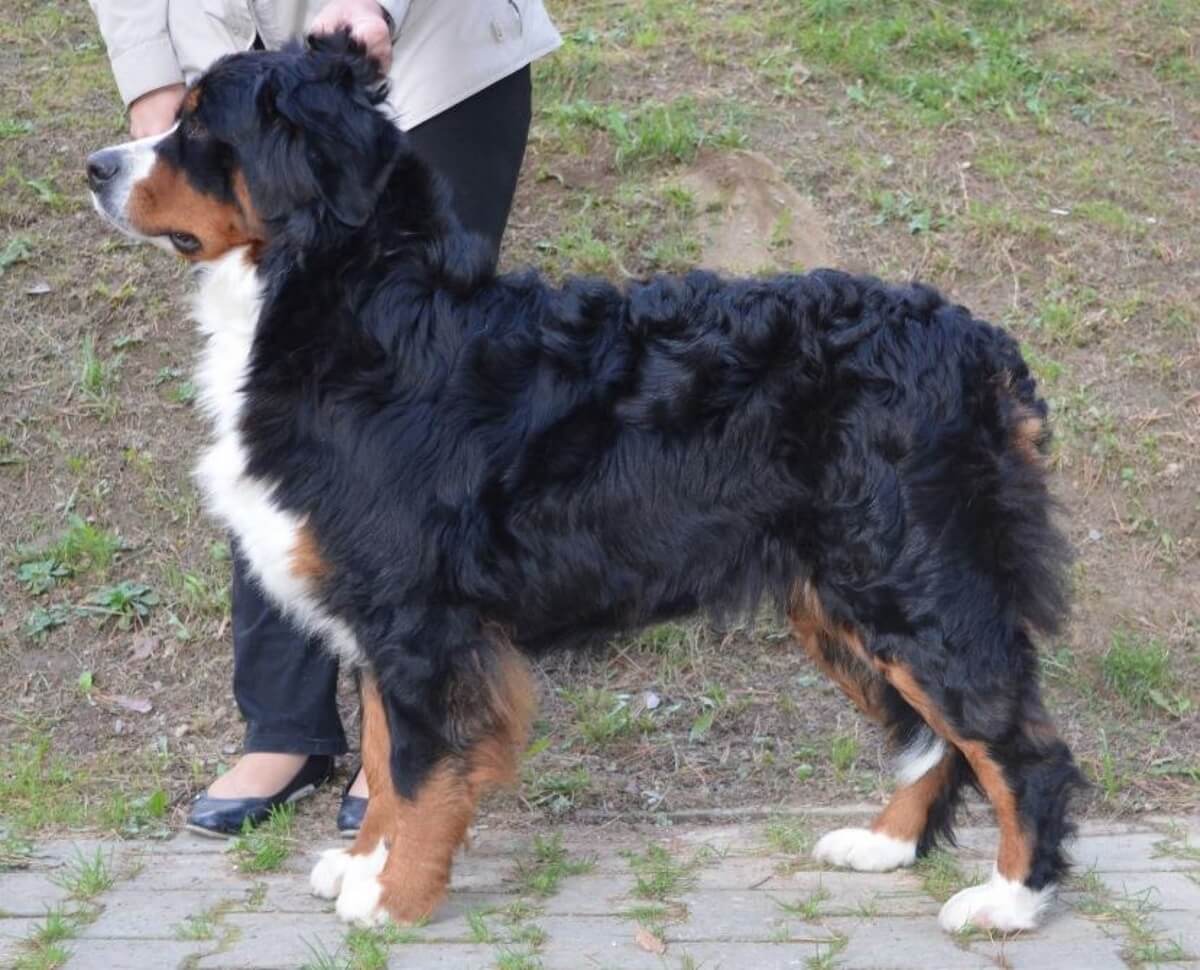
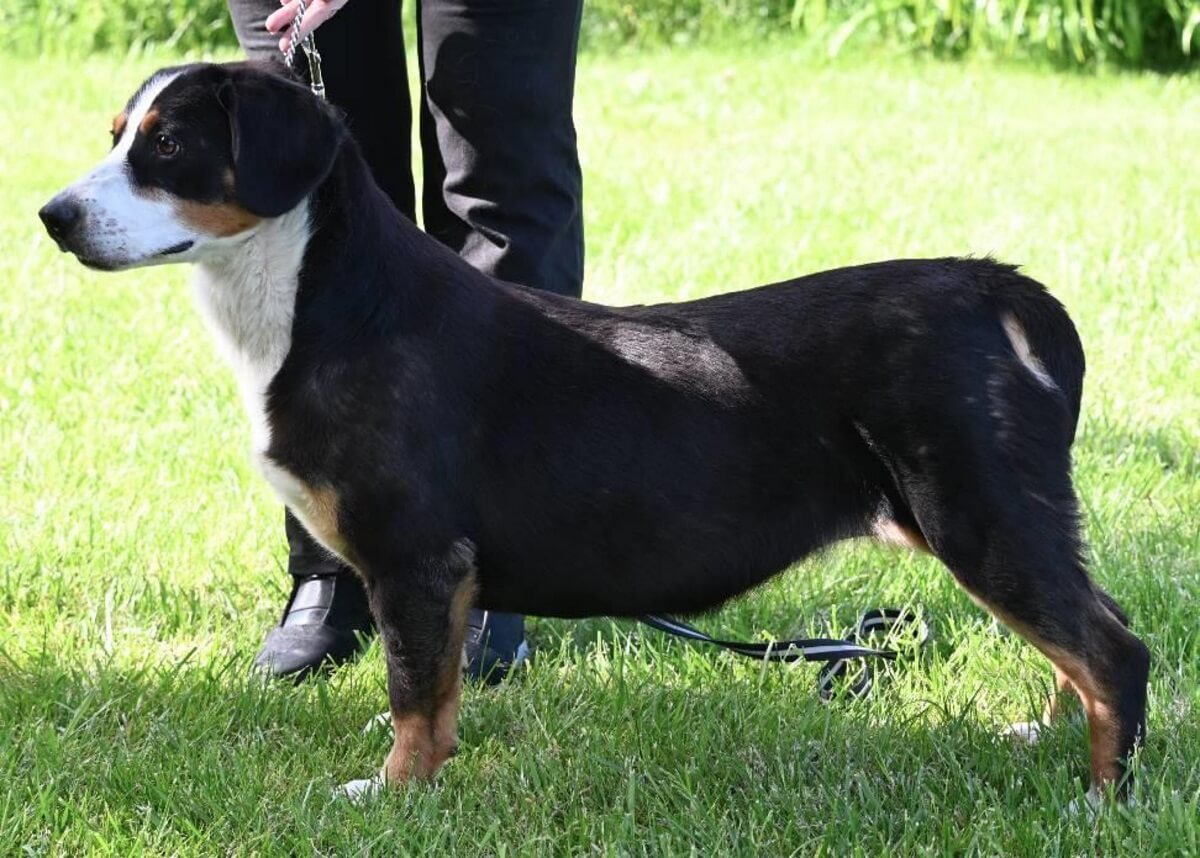
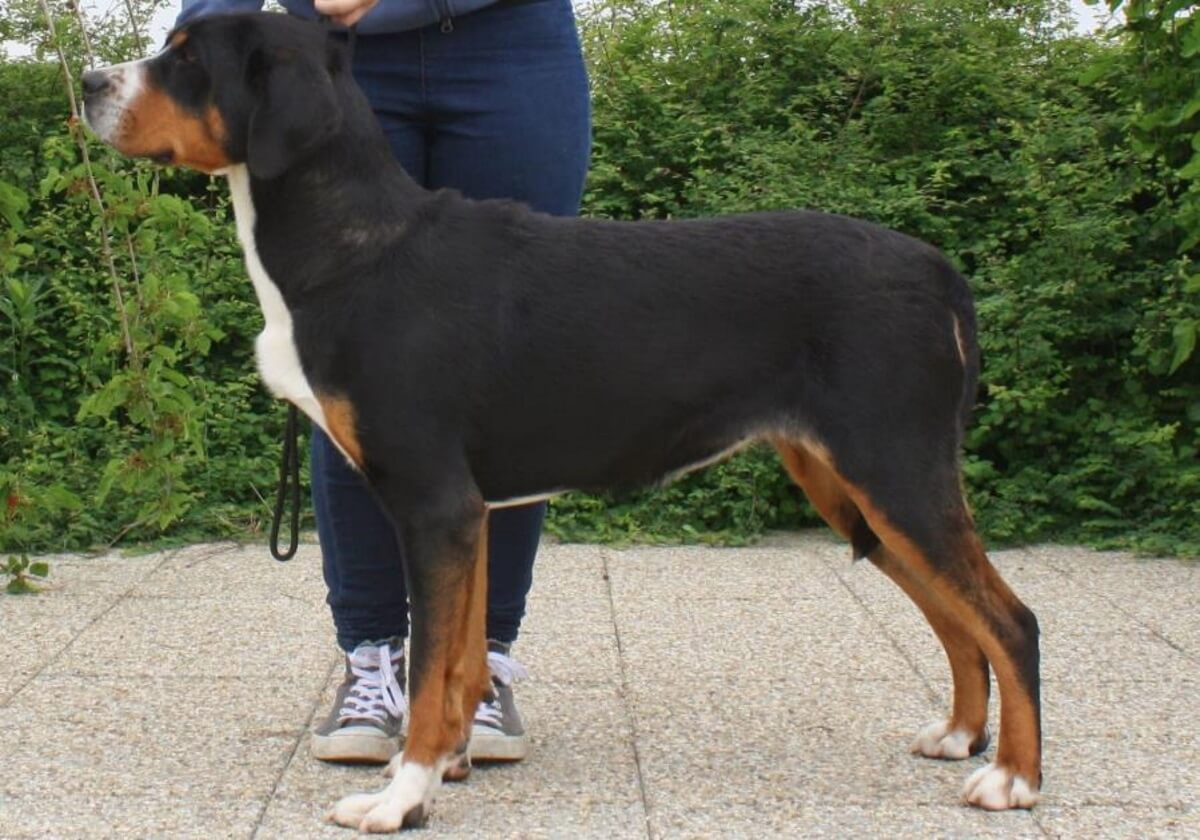
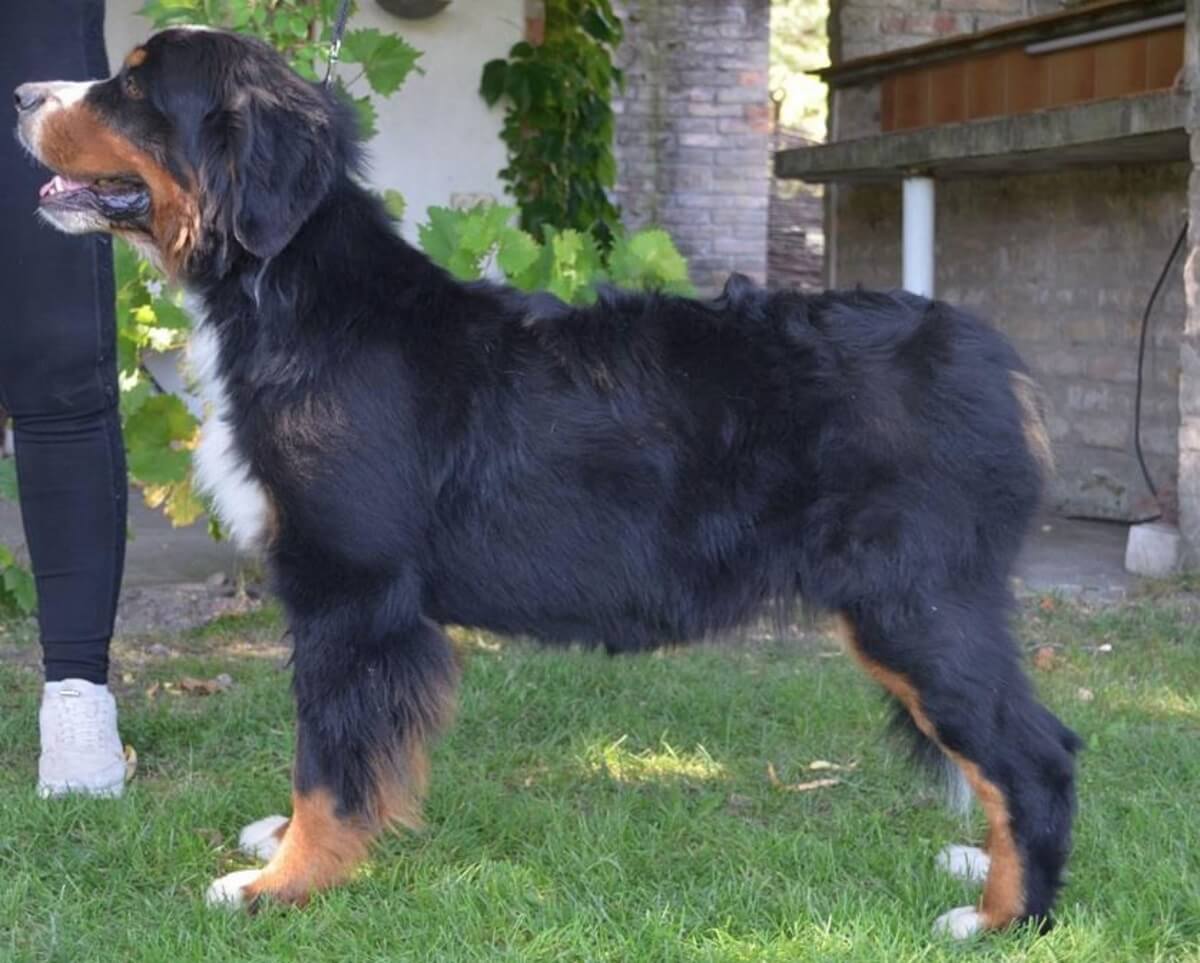
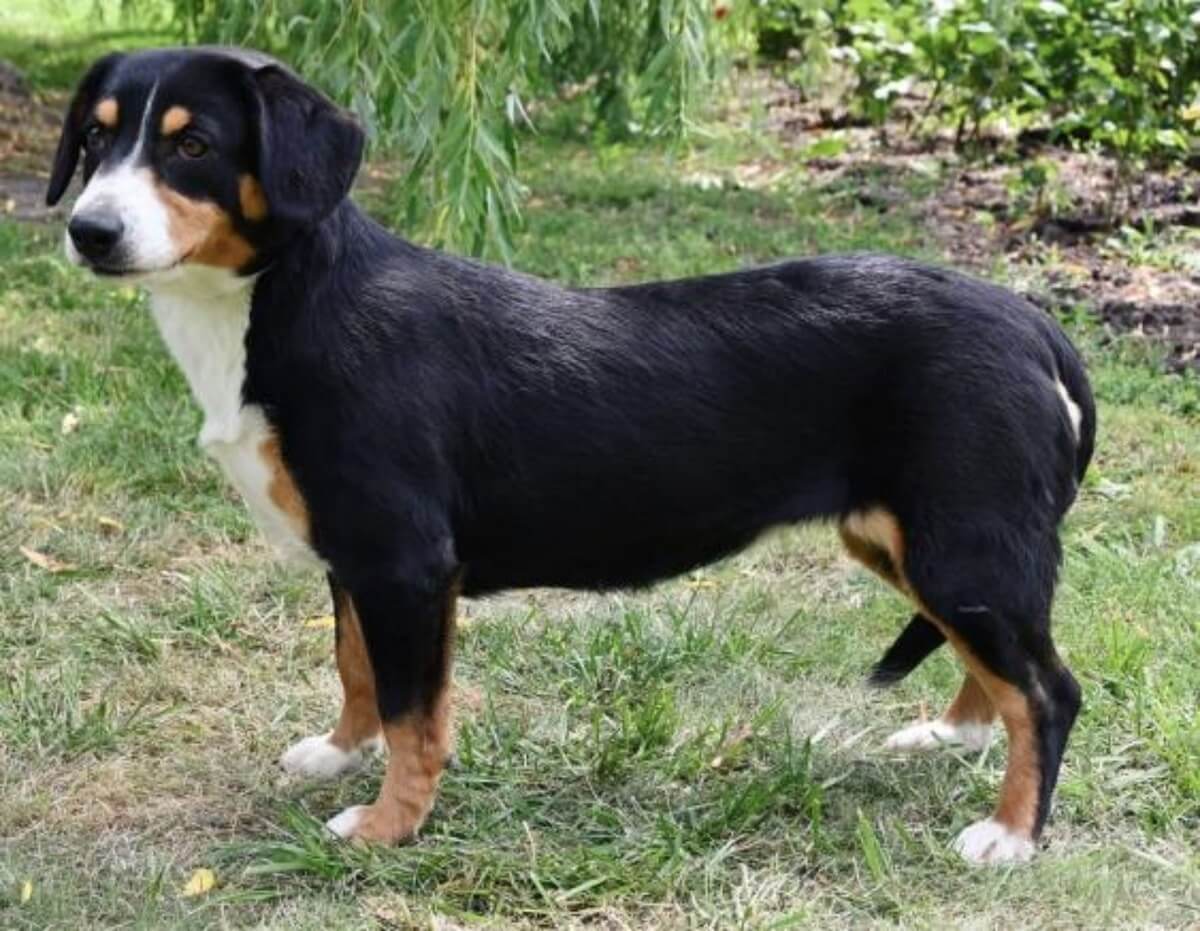

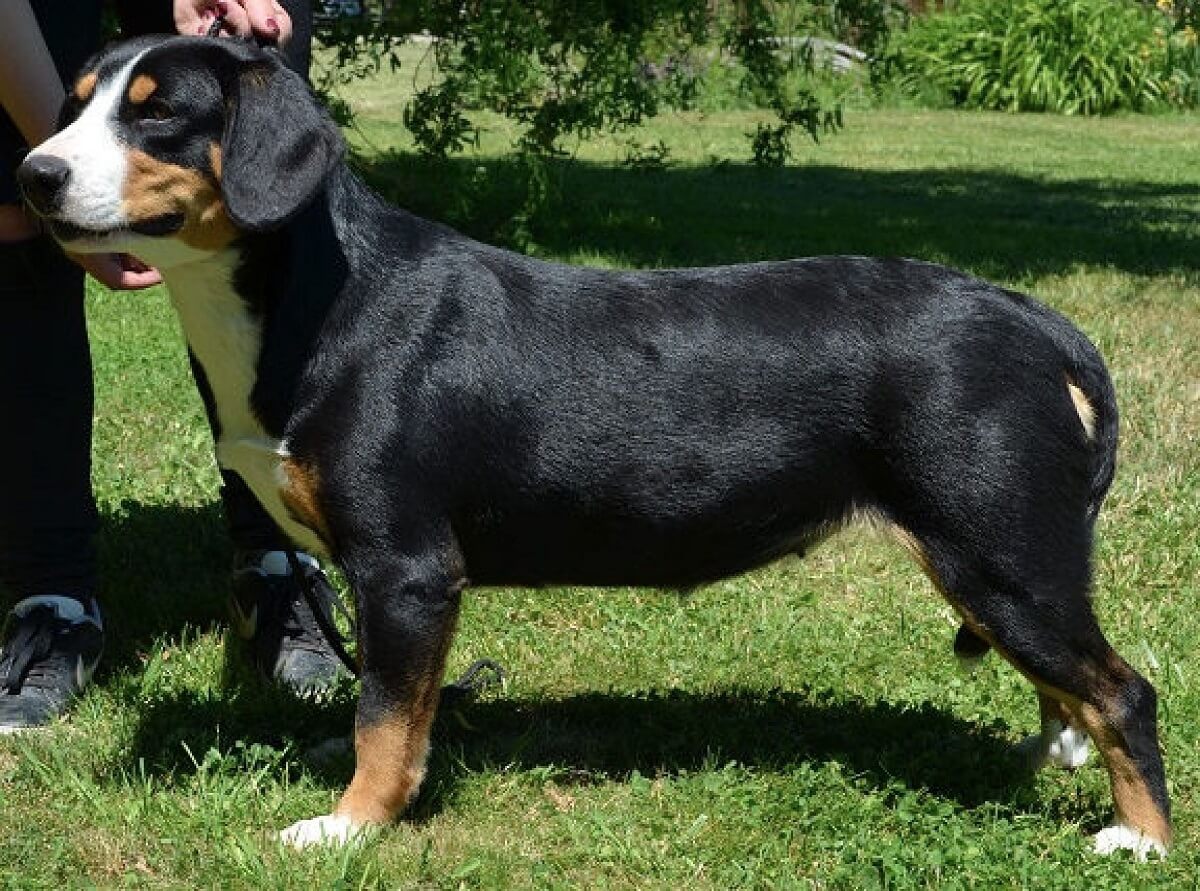

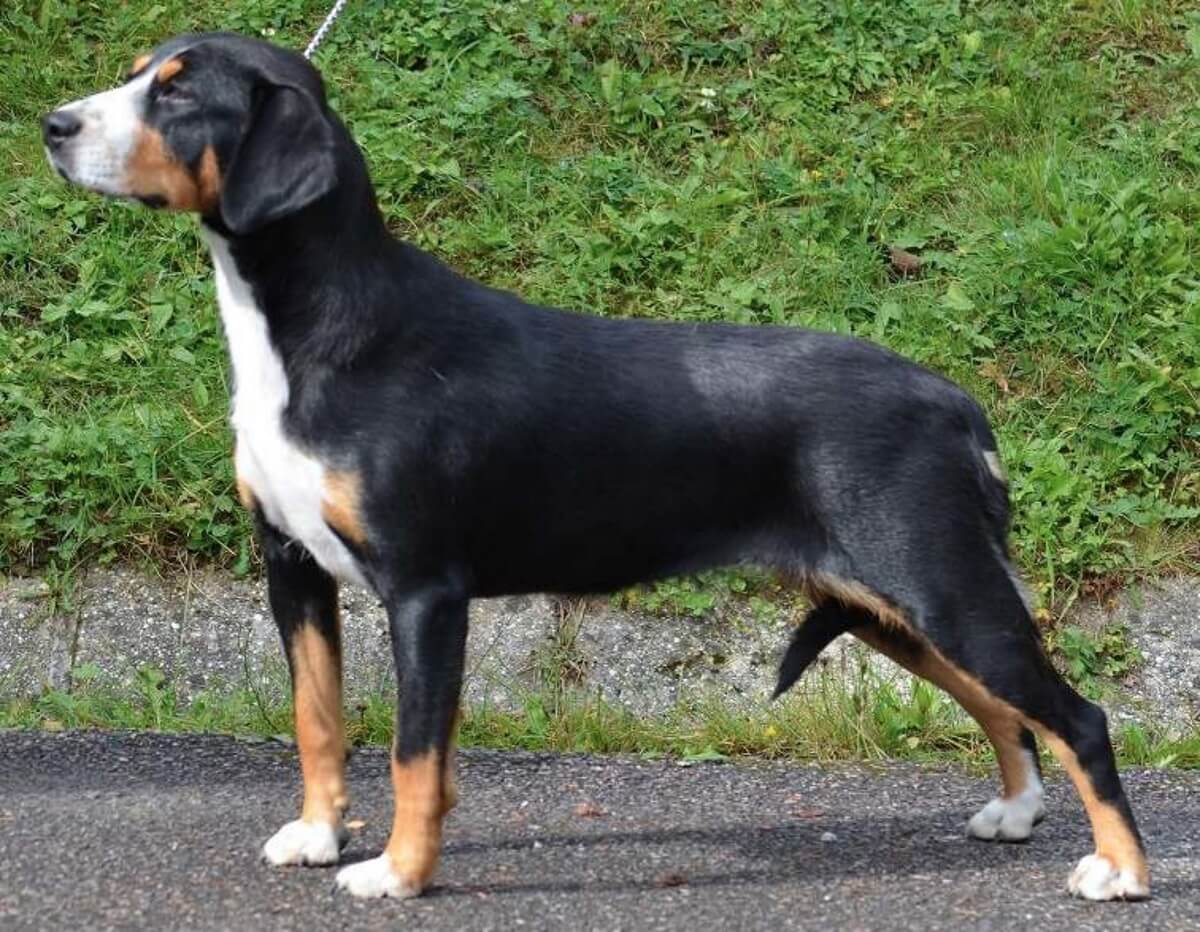
source: skssp.eu